

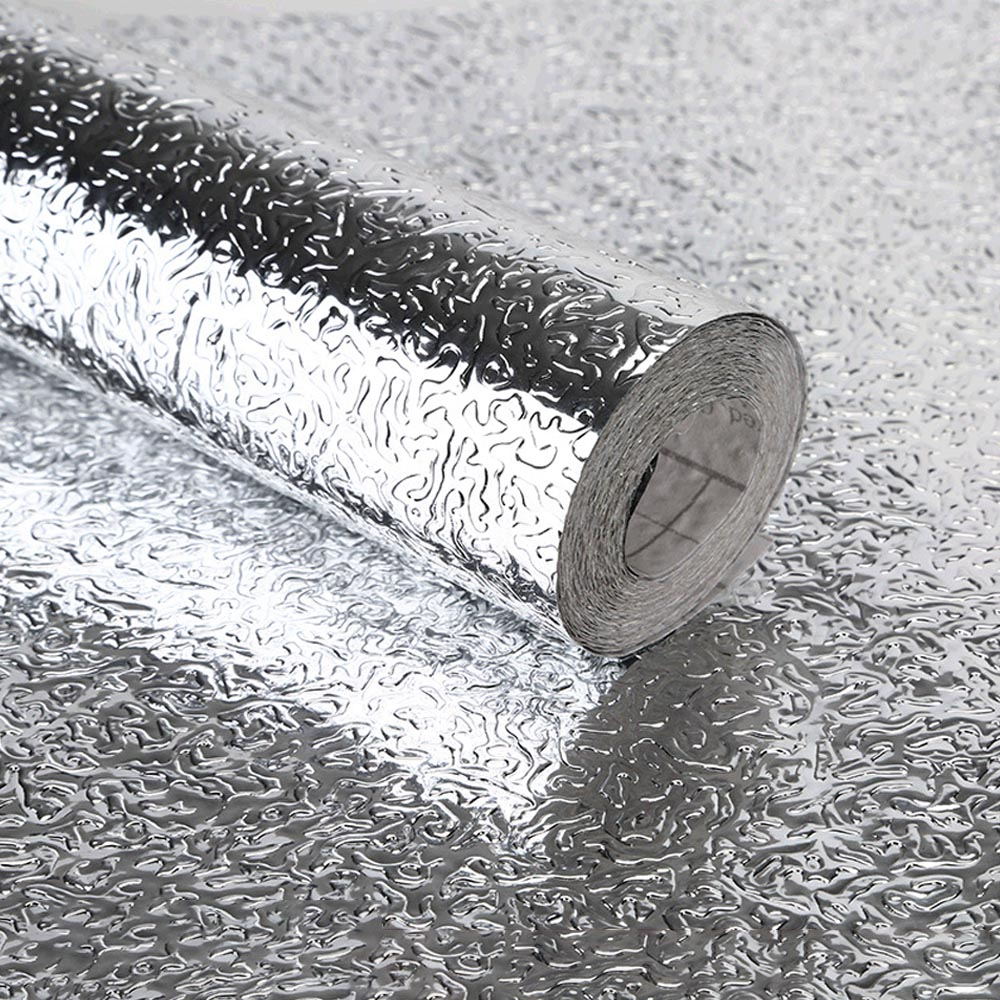
Online cleaning guides often claim that aluminum foil can remove rust, stains, burnt residue, and discoloration from stainless steel. Some users report excellent results, while others warn that aluminum foil may leave scratches or damage the appearance of polished metal.
So, can you safely clean stainless steel with aluminum foil?
The method can work in certain situations, but it is not suitable for every stainless steel product. Its effectiveness depends on the stainless steel grade, surface finish, type of contamination, cleaning pressure, and condition of the aluminum foil.
When used carefully, foil may remove light oxidation, mineral deposits, burnt food, or stubborn surface residue. However, aggressive rubbing can leave visible marks on mirror-polished, brushed, decorative, or precision-finished stainless steel.
This guide explains how the method works, where it may be useful, when you should avoid it, and which professional cleaning alternatives offer safer long-term results.
For a related overview, read this detailed guide on how to clean stainless steel with aluminum foil.
Why Stainless Steel Resists Rust and Corrosion
To understand the cleaning process, it helps to know why stainless steel resists corrosion better than ordinary carbon steel.
Stainless steel contains at least 10.5% chromium. When chromium comes into contact with oxygen, it forms an extremely thin chromium oxide film across the metal surface. This invisible passive layer blocks moisture and oxygen from attacking the steel underneath.
The protective film can also repair itself when the surface remains clean and has access to oxygen.
However, grease, salt, chlorides, dirt, mineral deposits, burnt residue, or iron contamination may interfere with the passive layer. When these contaminants remain on the surface for too long, staining, discoloration, or localized corrosion can develop.
Proper cleaning removes the contamination and allows the chromium-rich passive layer to continue protecting the material.
Companies that require corrosion-resistant metal for precision applications can explore the full range of stainless steel foil products.
Can Aluminum Foil Really Clean Stainless Steel?
Yes, but only under controlled conditions.
The common method involves loosely crumpling household aluminum foil into a soft ball, wetting the stainless steel surface, and gently rubbing the affected area.
The foil acts as a mild mechanical cleaning tool. Its uneven surface can help loosen dried food, light oxidation, mineral deposits, and certain forms of surface discoloration.
Aluminum is generally softer than stainless steel, so clean aluminum foil is unlikely to cut deeply into an ordinary unfinished stainless steel surface. However, the greatest risk does not usually come from the foil itself.
Sand, dirt, metal fragments, burnt particles, or other abrasive debris can become trapped between the foil and the steel. These particles may scratch the surface as the foil moves across it.
This explains why the method works well for some users but damages cookware, sinks, appliances, or decorative panels for others.
For another detailed explanation, see whether aluminum foil can clean stainless steel safely.
When Aluminum Foil Cleaning Works Best
The aluminum foil method may work on durable stainless steel items with non-decorative or already-used surfaces.
Possible applications include:
- Stainless steel pots and pans
- Baking trays
- Grill components
- Outdoor equipment
- Utility sinks
- Rough-finished stainless steel parts
- Areas with dried food or mild heat discoloration
The method may help remove:
- Light mineral deposits
- Mild surface oxidation
- Burnt food residue
- Dried grease
- Water stains
- Light heat tint
- Stubborn surface buildup
Because crumpled foil can conform to curved or irregular surfaces, it may reach corners and edges that are difficult to clean with a flat cloth.
However, foil should never become the first cleaning method. Start with warm water, mild detergent, and a microfiber cloth. Consider aluminum foil only when gentler methods fail and the surface finish can tolerate light mechanical cleaning.
When You Should Not Use Aluminum Foil
Avoid aluminum foil on stainless steel products where surface appearance, cleanliness, or dimensional accuracy is critical.
Do not use it on:
- Mirror-polished stainless steel
- Brushed architectural panels
- Decorative appliance surfaces
- Medical instruments
- Food-processing equipment with controlled finishes
- Precision stainless steel foil
- Electronic components
- Aerospace materials
- Highly polished cookware
- Coated or treated stainless steel surfaces
Fine scratches may not appear immediately under ordinary indoor lighting. However, bright sunlight, overhead lighting, or reflections can reveal swirl marks and irregular abrasion later.
Ultra-thin foil is especially sensitive. Scratching, bending, denting, or changing its surface roughness can affect forming, stamping, welding, electrical performance, and corrosion resistance.
To understand the manufacturing precision behind these materials, review how stainless steel foil is made.
You can also learn how thin stainless steel foil can actually get, including products manufactured at approximately 0.01 mm thickness.
Stainless Steel and Aluminum Are Different Materials
People sometimes assume stainless steel and aluminum behave in the same way because both metals offer corrosion resistance. In reality, they have different mechanical, thermal, and surface properties.
| Property | Stainless Steel | Aluminum |
|---|---|---|
| Strength | High to very high | Low to moderate |
| Surface hardness | Higher | Lower |
| Corrosion resistance | Excellent, depending on grade | Very good in many environments |
| Heat resistance | Excellent | Moderate |
| Wear resistance | High | Lower |
| Weight | Heavier | Lightweight |
| Industrial durability | Excellent | Moderate to high |
| Surface scratch resistance | Better | Lower |
Stainless steel is often preferred where strength, heat resistance, wear resistance, and long service life are essential. Aluminum offers significant advantages when low weight, thermal conductivity, and easy fabrication are priorities.
For industrial sourcing, manufacturers can compare available stainless steel strip products, stainless steel coils, and ultra-thin foil materials.
The Science Behind the Cleaning Method
The aluminum foil cleaning method works mainly through mechanical action rather than a special chemical reaction.
When loosely crumpled foil moves across a wet stainless steel surface, its irregular edges can help dislodge loose deposits. Warm water softens food residue, grease, and mineral buildup, while a small amount of dish soap reduces surface tension and helps separate contaminants from the metal.
Aluminum foil does not rebuild damaged stainless steel or permanently repair its passive layer.
Instead, it removes material sitting on top of the surface. Once stains and deposits are removed, the underlying stainless steel may appear brighter because its original finish becomes visible again.
The stainless steel then relies on oxygen and chromium to maintain or restore its natural passive oxide film.
How to Clean Stainless Steel with Aluminum Foil Safely
Use the following process only on a suitable surface.
Step 1: Check the Finish
Identify whether the stainless steel has a brushed, polished, mirror, coated, or industrial finish.
Do not continue if the surface is highly polished, decorative, coated, or easily scratched.
Step 2: Test a Hidden Area
Choose a small location that is not normally visible.
Apply the complete cleaning method to that area first. Inspect it under bright lighting before treating the rest of the item.
Step 3: Remove Loose Debris
Rinse the surface thoroughly with clean water.
Loose dirt, sand, and burnt fragments can become abrasive when trapped beneath the foil. Removing these particles reduces the risk of scratching.
Step 4: Apply Warm Soapy Water
Mix warm water with a small amount of mild dishwashing liquid.
Avoid chlorine bleach, harsh acids, highly alkaline cleaners, or abrasive powders unless the stainless steel manufacturer specifically approves them.
Step 5: Prepare the Foil
Use fresh, clean aluminum foil.
Crumple it loosely into a soft ball. Do not compress it into a hard shape, and avoid creating sharp corners or pointed edges.
Step 6: Rub Along the Grain
Move the foil gently in the direction of the stainless steel grain.
Do not scrub in circles. Circular movements can create visible swirl marks, particularly on brushed stainless steel.
Use minimal pressure and clean only the stained area.
Step 7: Rinse Thoroughly
Wash away all soap, residue, and loose particles with clean water.
Leaving cleaning chemicals or loosened contamination on the surface may cause new stains.
Step 8: Dry Immediately
Dry the stainless steel with a clean microfiber cloth.
Immediate drying reduces water spots and mineral marks.
Step 9: Inspect the Surface
Examine the cleaned area under strong light.
Stop using the method if you notice scratches, changes in gloss, uneven grain, or surface dullness.
Better Stainless Steel Cleaning Alternatives
Professional manufacturers and fabricators generally prefer controlled cleaning methods instead of aluminum foil.
Safer options include:
- Warm water
- Mild dishwashing detergent
- Clean microfiber cloths
- pH-neutral stainless steel cleaners
- Non-abrasive sponges
- Soft nylon pads
- Manufacturer-approved cleaning solutions
- Deionized water for precision surfaces
These methods reduce the chance of cosmetic damage and surface contamination.
For routine household cleaning, warm water and mild detergent are usually sufficient. Wipe along the grain, rinse completely, and dry with a soft cloth.
For industrial stainless steel foil, follow the supplier’s cleaning and handling recommendations. Precision products may require gloves, controlled solvents, lint-free wipes, clean-room handling, or specialized processing.
To learn more about products used in thermal applications, review the stainless steel foil heat-treatment guide.
Common Stainless Steel Cleaning Mistakes
Many stainless steel problems result from incorrect cleaning techniques rather than poor material quality.
Using Ordinary Steel Wool
Steel wool can leave carbon-steel particles embedded in the stainless steel surface. Those particles may later rust and create orange stains.
The stainless steel itself may remain intact, but the deposited iron contamination creates the appearance of corrosion.
Using Chlorine Bleach
Chlorine-containing cleaners can attack the passive surface layer and increase the risk of pitting corrosion.
The risk becomes greater in warm, wet, salty, or poorly rinsed environments.
Scrubbing Against the Grain
Brushed stainless steel has a visible directional pattern. Cleaning across the grain may create scratches that interrupt the finish and become difficult to remove.
Using Abrasive Powder
Abrasive powders can dull polished or decorative surfaces. Even products marketed as general-purpose cleaners may be too aggressive for premium stainless steel.
Leaving the Surface Wet
Air-drying may leave mineral spots, especially in areas with hard water. Drying immediately with a microfiber cloth helps maintain a clean and uniform appearance.
Mixing Cleaning Chemicals
Combining bleach, acids, ammonia, or other cleaners can damage metal and create hazardous fumes. Use one manufacturer-approved product at a time.
Cleaning Stainless Steel Used in Food Applications
Stainless steel is widely used in kitchens, food production facilities, storage systems, and packaging equipment because of its durability, cleanability, and corrosion resistance.
However, food-contact surfaces require appropriate cleaning products and hygienic procedures. Avoid improvised abrasive methods when scratches could create areas where residue or microorganisms may accumulate.
For more information about material selection and hygienic applications, read the guide to stainless steel foil for food use.
Facilities should also verify that cleaning agents meet applicable food-safety requirements and do not leave harmful residues.
Grade Selection Also Affects Cleaning and Corrosion Resistance
Not all stainless steel grades provide the same corrosion resistance.
Grade 304 is widely used in household equipment, food-processing applications, architectural products, and industrial components. It offers good general corrosion resistance and fabrication performance.
Grade 316 and low-carbon 316L contain molybdenum, which improves resistance to chlorides, saltwater, and aggressive environments. These grades may be better suited to marine, coastal, chemical, and demanding food-processing applications.
For a detailed grade comparison, read whether 316L is better than 304 for marine applications.
Companies requiring grade-specific coil products can review the 316 stainless steel coil product listing.
Grade 301 provides high strength and excellent work-hardening properties, making it useful for springs, clips, precision parts, and formed components. Learn more in the guide explaining what 301 stainless steel foil is.
For grade 304 sourcing, explore this 304 stainless steel strip supplier.
Caring for Precision Stainless Steel Foil
Precision stainless steel foil requires more careful handling than ordinary cookware, sinks, or industrial sheets.
Ultra-thin foil is used in industries such as:
- Electronics
- Battery manufacturing
- Aerospace
- Medical equipment
- Automotive engineering
- Heat treatment
- Chemical processing
- Precision stamping
- Shielding
- Sensors and instruments
Improper cleaning can alter surface roughness, flatness, cleanliness, or forming behavior. Strong pressure may also crease or deform thin material.
Clean precision foil only according to the supplier’s recommendations. Avoid aluminum foil, steel wool, household abrasive pads, and unapproved chemicals.
For heat-treatment applications, review the recommended stainless steel foil thickness for heat-treat wrapping.
Buyers can browse the complete stainless steel product collection to compare foil, strip, sheet, and coil options.
Choosing the Right Stainless Steel Product
Cleaning performance begins with selecting the correct alloy, thickness, finish, and product form.
Consider the following factors before purchasing:
- Operating temperature
- Exposure to salt or chlorides
- Required corrosion resistance
- Surface-finish requirements
- Thickness tolerance
- Forming and stamping needs
- Welding requirements
- Food-contact conditions
- Heat-treatment process
- Required mechanical strength
The main Stainless Steel Foil website provides product information and technical resources for different industrial requirements.
Available product categories include precision foil, stainless steel strip, and stainless steel coil.
For technical support, custom sizes, grade selection, or quotation requests, use the contact page.
Conclusion
Cleaning stainless steel with aluminum foil can remove light oxidation, mineral deposits, heat discoloration, and stubborn residue from some durable surfaces. However, the technique is not universally safe.
The foil itself is relatively soft, but trapped dirt, burnt particles, and metal debris can scratch the stainless steel. The method presents the greatest risk to polished, brushed, decorative, medical, food-processing, and precision-finished products.
For routine care, warm water, mild detergent, a microfiber cloth, and cleaning along the grain remain the safest approach. Specialized stainless steel cleaners are better suited to demanding industrial surfaces.
Always identify the finish, remove loose debris, test a hidden area, use minimal pressure, and inspect the surface carefully. Correct cleaning protects the passive chromium oxide layer and helps stainless steel retain its appearance, corrosion resistance, and performance.
Frequently Asked Questions
Does aluminum foil remove rust from stainless steel?
Aluminum foil may remove light surface oxidation or rust-colored contamination. However, it cannot repair deep corrosion, pitting, or permanent surface damage.
Can aluminum foil scratch stainless steel?
Yes. Although aluminum is softer than stainless steel, dirt, sand, burnt residue, or metal fragments trapped beneath the foil can scratch the surface.
Is aluminum foil safe for stainless steel cookware?
It may be suitable for heavily used cookware with a non-decorative finish. Test a hidden area first and avoid using it on mirror-polished or premium cookware.
Should I use aluminum foil on brushed stainless steel?
It is generally safer to avoid it. If you decide to test the method, rub very gently in the direction of the grain and inspect the surface under bright light.
Can professionals use this method on industrial stainless steel?
Most professionals avoid aluminum foil on precision or appearance-critical surfaces. Controlled cleaners, microfiber cloths, and approved nylon pads provide more predictable results.
What is the safest everyday cleaning method?
Use warm water, mild detergent, and a clean microfiber cloth. Wipe along the grain, rinse completely, and dry immediately.
Can bleach damage stainless steel?
Yes. Chlorine bleach can weaken the passive surface layer and cause staining or pitting, especially when it remains on the surface or is not thoroughly rinsed.
Is aluminum foil suitable for ultra-thin stainless steel foil?
No. Precision foil can scratch, crease, or deform easily. Follow the supplier’s recommended cleaning and handling procedures.