

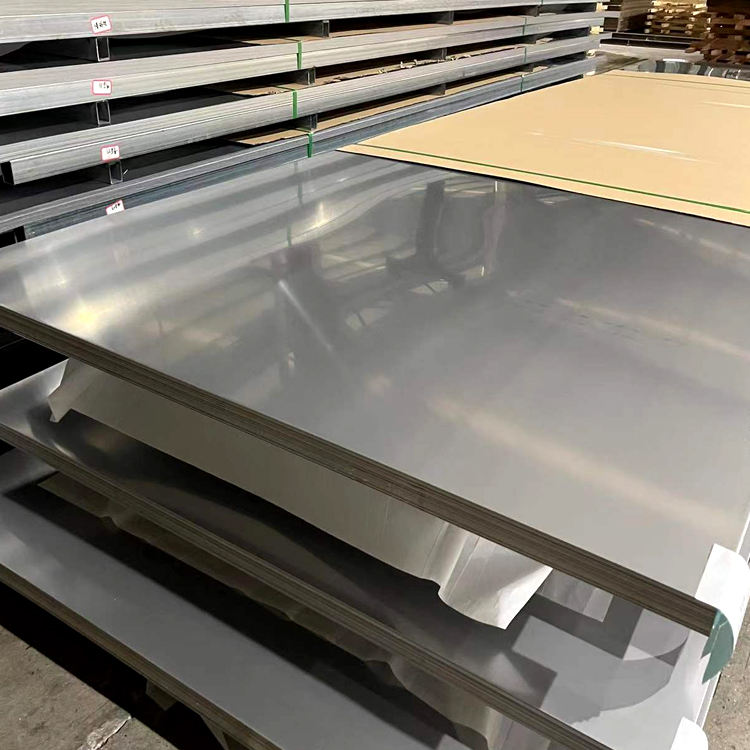
When selecting stainless steel for a new project, buyers frequently compare 201 vs 304 stainless steel. These two grades may look almost identical, but their chemical composition, corrosion resistance, fabrication performance, durability, and long-term value are considerably different.
Both materials offer an attractive metallic appearance and useful mechanical strength. They are commonly found in kitchen equipment, architectural products, automotive components, furniture, industrial machinery, and precision metal products. However, choosing a grade based only on appearance or purchase price can lead to expensive maintenance and early replacement.
Grade 201 is normally the more economical option because it contains less nickel. It can provide good value for indoor, decorative, and relatively dry applications. Grade 304 costs more initially but provides stronger corrosion resistance, better fabrication characteristics, and more reliable performance in demanding environments.
This guide compares 201 and 304 stainless steel by composition, strength, corrosion resistance, appearance, weldability, applications, maintenance, and total ownership cost. Buyers looking for precision material can also explore the complete range of stainless steel foil, strip, and coil products.
What Is 201 Stainless Steel?
Grade 201 is an austenitic stainless steel developed as a cost-effective alternative to grades containing larger quantities of nickel.
Nickel is partly replaced by manganese and nitrogen, reducing raw-material costs while maintaining useful strength, hardness, and formability. This composition makes grade 201 suitable for products that need an attractive stainless steel appearance without exposure to aggressive environmental conditions.
Typical uses include:
- Indoor architectural trim
- Decorative wall panels
- Furniture components
- Elevator interiors
- Household appliances
- Kitchen utensils
- Automotive trim
- Shelving and storage systems
- General indoor fabrication
Although grade 201 performs well in dry environments, it is more likely than grade 304 to develop staining or corrosion when exposed to humidity, salt, acidic chemicals, or industrial pollutants.
For a focused comparison, read the complete guide to 201 vs 304 stainless steel.
What Is 304 Stainless Steel?
Grade 304 is one of the most commonly specified austenitic stainless steel grades. It contains a higher proportion of chromium and nickel than grade 201, giving it a strong balance of corrosion resistance, ductility, strength, weldability, and manufacturing versatility.
Because of these properties, 304 stainless steel is frequently used in:
- Food-processing equipment
- Commercial kitchens
- Pharmaceutical machinery
- Medical equipment
- Chemical-processing systems
- Water-handling equipment
- Architectural structures
- Storage tanks
- Household appliances
- Precision stainless steel foil
- Industrial components
Grade 304 performs reliably in humid and mildly corrosive environments. It also maintains its finish better than grade 201 when products are cleaned and maintained correctly.
Manufacturers sourcing this alloy can review a specialist 304 stainless steel strip supplier or browse available stainless steel strip products.
201 vs 304 Stainless Steel: Quick Comparison
| Property | 201 Stainless Steel | 304 Stainless Steel |
|---|---|---|
| Stainless family | Austenitic | Austenitic |
| Nickel content | Lower | Higher |
| Manganese content | Higher | Lower |
| Initial cost | Usually lower | Usually higher |
| Corrosion resistance | Moderate | Very good |
| Indoor suitability | Excellent | Excellent |
| Outdoor suitability | Limited in harsh conditions | Better |
| Salt resistance | Lower | Better |
| Weldability | Good with process control | Very good |
| Ductility | Good | Better |
| Long-term appearance | May stain sooner | Retains finish longer |
| Common purpose | Budget-conscious indoor use | General and demanding use |
The best grade is determined by the service environment, not simply by which material has the lowest purchase price.
Chemical Composition Differences
Both alloys are classified as austenitic stainless steel, but their alloying elements are balanced differently.
| Element | 201 Stainless Steel | 304 Stainless Steel |
| Chromium | Approximately 16–18% | Approximately 18–20% |
| Nickel | Approximately 3.5–5.5% | Approximately 8–10.5% |
| Manganese | Approximately 5.5–7.5% | Up to approximately 2% |
| Carbon | Up to approximately 0.15% | Up to approximately 0.08% |
| Nitrogen | Higher | Lower |
The increased nickel content in grade 304 improves ductility, corrosion resistance, and stability during fabrication. Grade 201 relies more heavily on manganese and nitrogen to maintain its austenitic structure and reduce manufacturing costs.
These compositional differences explain why the two grades can appear similar while performing differently during long-term service.
Corrosion Resistance
Corrosion resistance is usually the most important difference in the 201 vs 304 stainless steel comparison.
Grade 304 contains more chromium and nickel, which support the formation and maintenance of a protective passive oxide layer. This invisible film helps protect the material from moisture, oxidation, and many forms of surface staining.
Grade 304 is generally preferred for:
- Humid locations
- Commercial kitchens
- Food-processing facilities
- Outdoor architectural products
- Pharmaceutical equipment
- Water-treatment systems
- Frequently washed components
- Mild chemical environments
Grade 201 performs satisfactorily in dry indoor locations but is less dependable when regularly exposed to:
- Coastal air
- Saltwater
- Chloride-containing cleaners
- Acidic substances
- Industrial pollution
- Persistent moisture
- Aggressive cleaning chemicals
For marine or chloride-rich applications, it may also be necessary to compare grade 304 with molybdenum-bearing alloys. This guide explains whether 316L is better than 304 for marine applications.
Projects requiring grade 316 material can also review the 316 stainless steel coil product listing.
Strength and Mechanical Performance
A higher price does not automatically mean higher strength.
Grade 201 can offer high yield strength because of its manganese, nitrogen, and work-hardening behavior. This makes it useful for structural and formed components where strength is important but severe corrosion exposure is unlikely.
Grade 304 typically provides better ductility and toughness. It can withstand extensive forming, bending, drawing, and fabrication without losing as much manufacturing flexibility.
In practical terms:
- Choose 201 when high strength and lower cost are priorities.
- Choose 304 when corrosion resistance, ductility, and manufacturing consistency are more important.
- Evaluate temper, thickness, and finish in addition to alloy grade.
For spring components and high-strength formed parts, another alloy may be more appropriate. Learn about its properties in the guide to 301 stainless steel foil.
Weldability and Fabrication
Both grades can be fabricated, formed, and welded, but grade 304 is generally easier to process consistently.
Grade 304 offers:
- Good weldability
- Strong formability
- Reliable deep-drawing performance
- Lower risk of fabrication-related cracking
- Better consistency in repeated production
- Easier processing of precision components
Grade 201 can also be welded successfully, but the process may require tighter control of heat input, filler selection, distortion, and post-weld cleaning.
For thin-gauge and precision foil manufacturing, small variations in surface finish, flatness, ductility, or welding behavior can affect production quality. Grade 304 is therefore frequently preferred for demanding industrial manufacturing.
Buyers can compare available stainless steel coil products for continuous processing, stamping, forming, and fabrication.
Appearance and Surface Finish
New 201 and 304 stainless steel products can be difficult to distinguish visually. Both can be polished, brushed, rolled, or finished to achieve a clean metallic appearance.
The differences often become clearer after prolonged use.
Grade 304 normally maintains its appearance longer in humid or frequently cleaned environments. Grade 201 may develop discoloration, surface staining, or corrosion marks sooner when exposed to moisture or unsuitable cleaning chemicals.
The surface finish also affects long-term appearance. Mirror-polished, brushed, decorative, and precision surfaces require controlled maintenance.
Improper cleaning can damage either alloy. For example, rubbing contaminated foil across polished stainless steel may create fine scratches. Review the guide explaining how to clean stainless steel with aluminum foil before attempting this method.
A second technical discussion examines whether aluminum foil can clean stainless steel safely.
Cost Comparison
Grade 201 is generally less expensive because it contains less nickel, one of the more costly alloying elements in austenitic stainless steel.
However, stainless steel prices fluctuate according to:
- Nickel and chromium markets
- Energy costs
- Product thickness
- Surface finish
- Order quantity
- Temper condition
- Manufacturing tolerance
- Regional availability
- Transportation costs
The lowest material price does not necessarily deliver the lowest total project cost.
If grade 201 requires frequent cleaning, refinishing, maintenance, or early replacement, its initial savings may disappear. Grade 304 can provide better lifecycle value where corrosion, hygiene, appearance, and service life matter.
Which Grade Provides Better Long-Term Value?
Long-term value depends on the operating environment.
Grade 201 may provide better value when:
- The application remains indoors.
- Moisture exposure is minimal.
- The product is mainly decorative.
- The service life requirement is moderate.
- The budget is highly restricted.
- Regular inspection and maintenance are practical.
- Severe corrosion resistance is unnecessary.
Grade 304 may provide better value when:
- The product will be installed outdoors.
- Humidity is consistently high.
- Frequent washing is required.
- Food or hygienic processing is involved.
- The material will contact mild chemicals.
- Appearance must remain consistent.
- Long service life is important.
- Replacement would be difficult or costly.
The correct comparison is not simply 201 price versus 304 price. It is the total cost of purchase, fabrication, maintenance, downtime, and replacement.
Applications of 201 Stainless Steel
Grade 201 is widely used in applications where corrosion demands are moderate and affordability is important.
Common applications include:
- Indoor decorative panels
- Elevator cabins
- Railings in dry environments
- Furniture frames
- Appliance components
- Kitchen utensils
- Automotive trim
- Shelving
- Storage racks
- General construction products
- Decorative stainless steel components
Its combination of strength, appearance, and reduced alloy cost makes it practical for high-volume indoor products.
However, manufacturers should not automatically substitute grade 201 for grade 304 without evaluating moisture, temperature, cleaning methods, and expected service life.
Applications of 304 Stainless Steel
Grade 304 is selected for a wider range of industrial and commercial uses because of its corrosion resistance and fabrication performance.
Typical applications include:
- Food-processing machinery
- Commercial kitchen equipment
- Medical and laboratory products
- Brewing and beverage systems
- Pharmaceutical machinery
- Chemical-processing equipment
- Water-treatment components
- Architectural facades
- Storage tanks
- Industrial ducting
- Precision-formed parts
- Stainless steel foil and strip
For hygienic applications, see how stainless steel foil is used for food-related products.
Available foil specifications can be reviewed on the stainless steel foil product page.
Choosing Between 201 and 304 Stainless Steel Foil
Foil selection requires closer attention than ordinary sheet selection because very thin material is sensitive to variations in thickness, flatness, surface finish, temper, and mechanical properties.
Precision foil may undergo:
- Stamping
- Laser cutting
- Etching
- Bending
- Deep drawing
- Welding
- Heat treatment
- Lamination
- Electrical assembly
- Precision forming
Grade 304 foil generally offers better corrosion resistance and manufacturing consistency for demanding applications. Grade 201 foil may still be suitable for low-cost decorative products or protected indoor components.
The required thickness is another critical factor. This technical article explains how thin stainless steel foil can actually get, including 0.01 mm material.
Understanding production methods can also help buyers evaluate quality. Read how stainless steel foil is made for an overview of rolling, annealing, finishing, and precision control.
Performance in Food and Hygienic Environments
Food-processing environments require materials that resist corrosion, tolerate repeated cleaning, and maintain hygienic surfaces.
Grade 304 is widely preferred for food equipment because it performs well under normal washing, sanitation, and processing conditions. Its corrosion resistance and smooth surface make it more dependable for equipment that regularly contacts food, water, and cleaning solutions.
Grade 201 may be suitable for some non-contact or dry decorative parts, but it should be evaluated carefully before being used in wet food-processing environments.
Material selection should consider:
- Food contact
- Cleaning frequency
- Chloride exposure
- Operating temperature
- Surface finish
- Sanitation chemicals
- Local regulatory requirements
Cleaning and Maintenance Considerations
Both grades require proper cleaning to maintain their appearance and passive surface layer.
Recommended routine cleaning methods include:
- Warm water
- Mild detergent
- Microfiber cloths
- Non-abrasive sponges
- pH-neutral stainless steel cleaners
- Thorough rinsing
- Immediate drying
Avoid ordinary steel wool because it can leave iron particles embedded in the stainless surface. Those particles may rust and create orange contamination marks.
Chlorine bleach and aggressive chloride-containing cleaners should also be used cautiously or avoided unless specifically approved. These products can damage the passive layer and increase the risk of localized corrosion.
Always clean in the direction of the surface grain and test unfamiliar methods on a hidden area first.
Stainless Steel for Heat-Treatment Applications
Stainless steel foil is frequently used to wrap tools, components, and precision parts during heat treatment. The foil helps reduce oxidation, scaling, and decarburization by limiting exposure to the furnace atmosphere.
Material grade, foil thickness, wrapping method, sealing quality, and operating temperature all affect performance.
For technical guidance, review the stainless steel foil heat-treatment guide.
You can also learn how to choose the correct stainless steel foil thickness for heat-treat wrapping.
How to Select the Right Grade
Before selecting grade 201 or 304, evaluate the complete service conditions.
Ask the following questions:
- Will the material be installed indoors or outdoors?
- Will it contact water, salt, food, or chemicals?
- How often will it be cleaned?
- Which cleaning agents will be used?
- Is welding or deep forming required?
- Must the surface retain a decorative finish?
- What service life is expected?
- Would replacement be expensive?
- Is the product subject to food, medical, or industrial standards?
- What thickness, temper, and tolerance are required?
Choose grade 201 when the environment is controlled and reducing initial cost is the primary objective.
Choose grade 304 when corrosion resistance, hygiene, fabrication reliability, finish retention, and long-term service are more important.
For help selecting the appropriate grade, thickness, or product form, visit the Stainless Steel Foil homepage or submit your requirements through the contact page.
Final Recommendation
There is no universal winner in the 201 vs 304 stainless steel comparison.
Grade 201 provides strong economic value for dry, indoor, and decorative applications. It offers useful mechanical strength and an attractive appearance while reducing the cost associated with nickel.
Grade 304 is the stronger all-purpose choice for applications involving humidity, repeated cleaning, outdoor exposure, food processing, industrial fabrication, and long service life. Its higher initial cost is often justified by better corrosion resistance, easier manufacturing, and lower maintenance requirements.
The most effective decision is based on lifecycle performance rather than purchase price alone. Evaluate the operating environment, fabrication process, maintenance plan, surface requirements, and consequences of failure before selecting the alloy.
Frequently Asked Questions
Which is better: 201 or 304 stainless steel?
Grade 304 is generally better for corrosion resistance, fabrication, hygiene, and long-term durability. Grade 201 may be better when minimizing initial cost is the primary requirement and the product will remain in a dry indoor environment.
Is 201 stainless steel suitable for outdoor use?
It can be used in mild outdoor conditions, but it is more vulnerable to moisture, salt, pollution, and staining than grade 304. Outdoor suitability should be evaluated according to the local environment.
Why does 304 stainless steel cost more?
Grade 304 contains more nickel than grade 201. Its alloy composition provides better corrosion resistance, ductility, and manufacturing performance, which generally increases its material cost.
Can grade 201 replace grade 304?
Grade 201 may replace grade 304 in selected indoor decorative applications. It should not be used as an automatic substitute where corrosion resistance, hygiene, chemical exposure, or long-term durability is required.
Which grade is better for stainless steel foil?
Grade 304 is often preferred for precision foil because it provides dependable corrosion resistance, formability, weldability, and manufacturing consistency. Grade 201 can be considered for protected, non-critical, and cost-sensitive applications.
Is grade 304 suitable for marine environments?
Grade 304 performs better than grade 201 but may not be the best choice for direct or continuous saltwater exposure. Grades 316 or 316L are generally considered when greater chloride resistance is required.
Which grade is easier to weld?
Both grades can be welded, but grade 304 normally provides more consistent weldability and fabrication performance.
Where can I purchase stainless steel foil, strip, or coil?
You can browse available stainless steel products, including precision foil, strip, and coil options, or contact the supplier for custom specifications.