

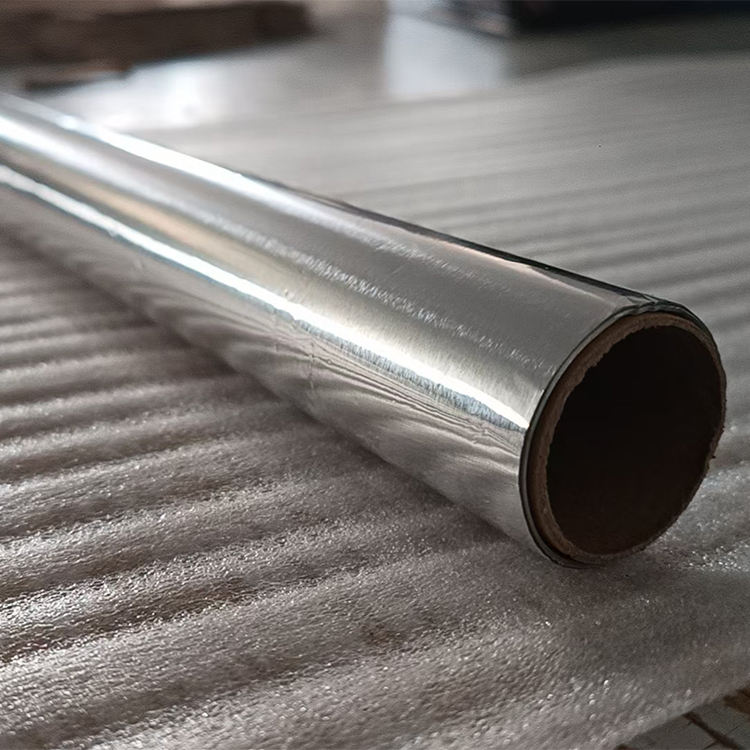
Stainless steel is valued for its clean appearance, durability, heat resistance, and ability to withstand corrosion. However, fingerprints, grease, burnt food, hard-water deposits, surface stains, and occasional rust marks can make even high-quality stainless steel look neglected.
One popular household suggestion is to scrub the surface with crumpled aluminum foil. This raises an important question:
Can aluminum foil clean stainless steel safely?
Aluminum foil may help loosen certain stubborn deposits from durable, uncoated stainless steel cookware. However, it is not the safest universal cleaning method. Crumpled foil acts as an abrasive, which means it can leave scratches, alter a brushed finish, dull polished surfaces, or damage decorative coatings.
For routine cleaning, warm soapy water, a soft sponge, and a microfiber cloth are generally safer. Official stainless steel cleaning guidance recommends avoiding abrasive products on mirror-like surfaces and wiping brushed finishes in the direction of the grain.
This guide explains when aluminum foil may be useful, when it should be avoided, and how to clean different stainless steel surfaces without causing unnecessary damage.
For a focused version of this topic, see the guide on whether you can use aluminum foil to clean stainless steel.
Understanding the Stainless Steel Surface
Stainless steel is an iron-based alloy containing at least approximately 10.5% chromium. The chromium reacts with oxygen to form a thin passive layer that helps protect the underlying metal against corrosion.
This protective layer is extremely thin. Stainless steel remains durable, but its visible surface finish can still be scratched or altered by hard cleaning tools and abrasive particles.
Common stainless steel finishes include:
- Brushed or satin finishes
- Mirror-polished surfaces
- Matte industrial finishes
- Decorative embossed surfaces
- Anti-fingerprint coatings
- Colored or PVD-coated surfaces
- Mill-finished foil, strip, sheet, and coil
A cleaning method that works on an unfinished stainless steel saucepan may damage a polished refrigerator door. The intended application and surface finish must therefore be identified before using aluminum foil or another abrasive material.
Can Aluminum Foil Really Clean Stainless Steel?
Aluminum foil can provide mechanical scrubbing action when it is compressed into a ball. This may help loosen burnt food, hardened residue, or discoloration from robust stainless steel cookware.
However, the foil is not a specialized stainless steel cleaner. Its effectiveness comes mainly from abrasion rather than from restoring the stainless steel’s protective passive layer.
The result depends on several factors:
- Surface finish
- Amount of pressure
- Presence of dirt or grit
- Type of stain
- Whether the stainless steel is coated
- Direction of rubbing
- Thickness and condition of the component
Even a relatively soft cleaning material can cause visible marks when grit becomes trapped between it and a polished surface.
Professional guidance therefore recommends beginning with non-abrasive cleaning methods and testing stronger treatments on a hidden area first.
When Aluminum Foil May Be Acceptable
A crumpled piece of aluminum foil may be considered for limited cleaning tasks involving durable, uncoated stainless steel.
Possible examples include:
- Burnt deposits inside an unfinished stainless steel pan
- Heavy residue on an industrial stainless workpiece
- Discoloration on a surface where appearance is not critical
- A utility component that will later be polished or refinished
- Stubborn deposits that remain after soaking
Even in these cases, aluminum foil should not be the first cleaning method.
Start by soaking the item in warm water and detergent. World Stainless guidance recommends soaking burnt deposits in hot water with washing-up liquid before using a sponge or nylon pad.
When You Should Not Use Aluminum Foil
Avoid aluminum foil on surfaces where scratching, loss of shine, or finish inconsistency would be unacceptable.
Mirror-Polished Stainless Steel
Mirror finishes show even minor scratches clearly. Abrasive products can permanently reduce their reflectivity.
Brushed Appliances
Refrigerators, ovens, dishwashers, extractor hoods, and decorative panels often have a directional grain. Rubbing across that grain can create visible cross-scratches.
Cleaning guidance recommends wiping brushed and polished stainless steel in the direction of the original grain.
Anti-Fingerprint Surfaces
Some appliances have transparent factory-applied coatings. Aluminum foil can damage or unevenly remove these coatings.
Colored or PVD-Coated Stainless Steel
Black, bronze, gold, and other colored finishes should be cleaned only according to the manufacturer’s instructions.
Food-Processing Equipment
Industrial food-contact equipment usually follows documented sanitation procedures. Household abrasives may create scratches, leave residue, or produce a surface finish that is more difficult to inspect and clean.
For material-selection information, review the guide to stainless steel foil for food-contact applications.
Precision Stainless Steel Foil
Very thin foil can crease, tear, deform, or develop surface damage under concentrated rubbing.
Available grades and dimensions can be reviewed in the stainless steel foil product range.
Risks of Cleaning Stainless Steel With Aluminum Foil
Surface Scratching
The most obvious risk is scratching. The foil itself, oxidized particles, or trapped dirt can produce fine lines or dull patches.
Industry guidance warns that abrasive materials can leave visible marks on polished stainless steel.
Damage to the Original Grain
Directional finishes are created during manufacturing. Aggressive rubbing in another direction can produce an uneven appearance.
Uneven Shine
A small scrubbed area may become brighter or duller than the surrounding surface, creating a patch rather than a uniform finish.
Damage to Coatings
Aluminum foil can remove or disturb anti-fingerprint, lacquered, painted, or colored coatings.
Embedded Contamination
Aluminum foil does not create the same iron-contamination risk as ordinary carbon-steel wool. However, any cleaning material contaminated with dirt, metal fragments, or chloride-bearing residue can damage the finish.
Carbon-steel wool should never be used on stainless steel because fragments can remain on the surface and later rust.
How to Test Aluminum Foil Safely
When a manufacturer permits abrasive cleaning and the surface is durable and uncoated, use a controlled process.
Step 1: Check the Manufacturer’s Instructions
Confirm that the surface has no decorative coating or special finish.
Step 2: Remove Loose Dirt
Rinse the surface first. Dust, sand, and dried particles may cause more scratching than the foil itself.
Step 3: Soak the Deposit
Use warm water and mild dishwashing detergent to soften burnt or hardened material.
Step 4: Test a Hidden Area
Rub a small, inconspicuous section using very light pressure.
Testing cleaning products and abrasive media on a hidden area is recommended to ensure that the original finish is not damaged.
Step 5: Use Plenty of Water
Keep the surface wet to help reduce friction and carry away loose particles.
Step 6: Follow the Grain
On a directional finish, move only in the direction of the existing polish lines.
Step 7: Apply Minimal Pressure
Do not press aggressively. Allow the soaking process to loosen the deposit.
Step 8: Rinse Thoroughly
Remove detergent, residue, and loosened particles with clean water.
Step 9: Dry Immediately
Drying helps prevent water spots and mineral deposits. Stainless steel cleaning guidance recommends rinsing with clean water and wiping the surface dry.
Stop immediately if the surface becomes hazy, scratched, or uneven.
Safer Ways to Clean Stainless Steel
For most stainless steel surfaces, aluminum foil is unnecessary. The following methods are safer and more predictable.
Removing Fingerprints and Light Dirt
Use:
- Warm water
- Mild dishwashing liquid
- A soft sponge or microfiber cloth
- A clean, dry cloth for finishing
A damp microfiber cloth or soft sponge with soapy water is sufficient for many decorative surfaces.
Removing Grease
Apply diluted detergent with a soft cloth. Wipe in the direction of the grain, rinse, and dry.
Avoid applying thick oil or polish to food-contact surfaces unless the product is approved for that application.
Removing Hard-Water Marks
Diluted vinegar or citric acid may help dissolve mineral deposits. Allow the solution to work briefly, then rinse thoroughly and dry.
World Stainless guidance identifies diluted vinegar or citric acid as options for limescale removal.
Never mix vinegar or other acids with bleach.
Removing Burnt Food
For cookware:
- Fill the pan with hot water.
- Add a small amount of dishwashing liquid.
- Allow it to soak.
- Use a soft sponge or nylon scouring pad.
- Rinse and dry.
For severe deposits, soaking is safer than immediately attacking the surface with a hard abrasive.
Removing Tea and Coffee Stains
Washing soda may help with tea stains, while baking soda can be useful for some coffee deposits. Apply with a soft cloth or sponge, then rinse completely.
Removing Light Rust Marks
Rust marks on stainless steel may come from external iron contamination rather than corrosion of the stainless steel itself.
Use a manufacturer-approved stainless steel cream cleaner or specialized rust-removal product. Follow its safety instructions and test it in an inconspicuous area.
Do not use ordinary steel wool. Iron particles left behind by steel wool can rust and create new staining.
What Cleaning Products Should Be Avoided?
Several products can damage stainless steel or compromise its appearance.
Avoid:
- Ordinary steel wool
- Carbon-steel brushes
- Metal scrapers
- Knives or sharp tools
- Concentrated bleach
- Hydrochloric-acid cleaners
- Dirty scouring pads
- Abrasive powder on mirror finishes
- Chloride-rich cleaning agents
- Unapproved oven or masonry cleaners
Professional stainless steel guidance specifically warns against carbon-steel wool, concentrated bleach, hydrochloric-acid products, and rubbing abrasive pads across the grain.
Cleaning Brushed Stainless Steel Correctly
Brushed stainless steel has visible directional lines created during finishing.
Always:
- Identify the direction of the grain.
- Wipe parallel to the grain.
- Use a clean microfiber cloth.
- Avoid circular scrubbing.
- Avoid rubbing across the polish lines.
- Dry the surface after rinsing.
Working against the grain can alter the appearance and create microscopic irregularities where contamination may collect.
Cleaning Food-Contact Stainless Steel
Food-contact stainless steel requires more than a visually clean surface. Cleaning chemicals and loosened residue must be thoroughly removed.
For food-contact surfaces:
- Use approved detergents.
- Follow the sanitation plan.
- Rinse with potable water when required.
- Avoid unapproved abrasive materials.
- Inspect scratches and damaged welds.
- Dry or sanitize according to the facility procedure.
- Confirm that the cleaner is compatible with the grade and finish.
304 is frequently selected for general food equipment, while 316 may provide stronger resistance where salt, acidic ingredients, or aggressive cleaning chemicals are present.
Operations comparing material forms can browse the complete stainless steel product catalog.
Does Stainless Steel Grade Affect Cleaning?
Yes. Surface condition is critical, but alloy grade also affects corrosion resistance.
304 Stainless Steel
304 offers a useful balance of formability, corrosion resistance, availability, and cost. It is widely used in kitchens, food equipment, appliances, and general manufacturing.
Businesses sourcing precision 304 material can consult a professional 304 stainless steel strip supplier.
316 and 316L Stainless Steel
316 and 316L contain molybdenum, which improves resistance in many chloride-containing environments.
For coastal and seawater exposure, read the comparison of whether 316L is better than 304 for marine applications.
Buyers can also review the available 316 stainless steel coil product.
301 Stainless Steel
301 work-hardens rapidly and can achieve high strength through cold working. It is commonly used in springs, clips, and precision components.
Learn more in the guide explaining what 301 stainless steel foil is.
Cleaning Stainless Steel Foil, Strip, and Coil
The correct cleaning process may change according to the material form.
Stainless Steel Foil
Thin foil can crease easily, so it should generally be handled with soft, clean materials. Avoid concentrated rubbing pressure.
Some specialized foil can be produced at approximately 0.01 mm. The guide on how thin stainless steel foil can get explains the challenges involved in ultra-thin manufacturing.
Stainless Steel Strip
Strip is used for stamping, springs, precision components, gaskets, and fabricated parts.
Available dimensions and grades can be reviewed through the stainless steel strip range.
Cleaning precision strip should not introduce scratches, embedded contamination, or residues that may interfere with forming, welding, bonding, or plating.
Manufacturers can also compare additional precision strip products for different industrial requirements.
Stainless Steel Coil
Coil material must be protected from moisture, contamination, handling damage, and contact with carbon-steel particles.
Businesses using continuous production processes can review available stainless steel coil products.
Aluminum Foil and Heat-Treatment Applications
Household aluminum foil should not be confused with stainless steel heat-treatment foil.
Heat-treatment wrap is engineered to protect components from oxidation, scaling, and decarburization during high-temperature furnace cycles.
For technical information, consult the stainless steel foil heat-treatment guide.
Thickness affects puncture resistance, handling strength, sealing, and cost. The guide to selecting stainless steel foil thickness for heat-treat wrap explains how to match foil thickness to component size and furnace conditions.
Aluminum household foil should not be substituted for specified stainless heat-treatment wrap unless the engineering process explicitly permits it.
How to Protect Stainless Steel After Cleaning
Correct maintenance reduces the need for aggressive scrubbing.
Use the following practices:
- Clean spills before they harden.
- Remove salt and chloride deposits promptly.
- Rinse cleaning chemicals thoroughly.
- Keep dedicated tools for stainless steel.
- Avoid contact with carbon-steel dust.
- Wipe brushed finishes with the grain.
- Dry surfaces to prevent water marks.
- Store foil and strip in clean, dry packaging.
- Inspect welded or crevice areas regularly.
Cross-contamination from tools previously used on carbon steel can lead to rust staining on stainless steel.
Choosing a Reliable Stainless Steel Supplier
Proper cleaning cannot compensate for incorrectly specified or poor-quality material.
A reliable supplier should provide:
- Confirmed material grade
- Chemical-composition data
- Mill test certificates
- Thickness and width tolerances
- Surface-finish information
- Batch traceability
- Suitable packaging
- Technical support
- Custom slitting capabilities
- Quality inspection documentation
The main Stainless Steel Foil website provides information about precision foil, strip, coil, grades, finishes, and custom manufacturing.
A complete overview of available options is also available through the product listings.
Final Conclusion
Aluminum foil can sometimes remove stubborn residue from durable, uncoated stainless steel cookware. However, it should not be treated as a universal stainless steel cleaning solution.
The main problem is abrasion. Crumpled foil may scratch polished surfaces, alter brushed grain, dull decorative finishes, or damage factory coatings.
For most applications, the safer cleaning sequence is:
- Warm water
- Mild detergent
- Soaking
- Soft sponge or microfiber cloth
- Nylon pad only when appropriate
- Rinsing
- Complete drying
Use aluminum foil only after checking the manufacturer’s instructions, testing a hidden area, and confirming that minor surface changes would be acceptable.
For assistance selecting stainless steel foil, strip, coil, grade, thickness, or finish, contact the technical sales team.
Frequently Asked Questions
Can aluminum foil remove rust from stainless steel?
It may help mechanically loosen light surface staining, but it is not the preferred treatment for rust contamination. A stainless steel cleaner designed for rust marks is generally safer and more effective.
Will aluminum foil scratch stainless steel?
Yes, it can. The risk is greater on mirror-polished, brushed, decorative, coated, and appliance surfaces.
Is aluminum foil safer than steel wool?
Aluminum foil does not create the same carbon-steel contamination risk as ordinary steel wool. However, it may still scratch or dull the surface.
Can I use aluminum foil on a stainless steel refrigerator?
It is not recommended. Refrigerator doors often have brushed finishes or anti-fingerprint coatings that can be permanently marked by abrasive cleaning.
Can aluminum foil clean stainless steel pans?
It may help with severe deposits on uncoated stainless steel pans, but soaking and using a nylon pad should be tried first.
What is the safest everyday stainless steel cleaner?
Warm water, mild dishwashing liquid, and a soft microfiber cloth are suitable for many routine cleaning tasks.
Should stainless steel be cleaned with or against the grain?
Clean in the direction of the grain. Rubbing across the grain may create visible scratches and an uneven finish.
Can vinegar clean stainless steel?
Diluted vinegar can help remove hard-water deposits. Rinse the surface thoroughly and dry it afterward.
Why should steel wool not be used on stainless steel?
Ordinary steel wool can leave carbon-steel particles on the surface. These particles may rust and produce stains.
How should stainless steel foil be cleaned?
Use clean, non-abrasive materials and minimal pressure. Thin foil can crease or tear, so aggressive scrubbing should be avoided.