
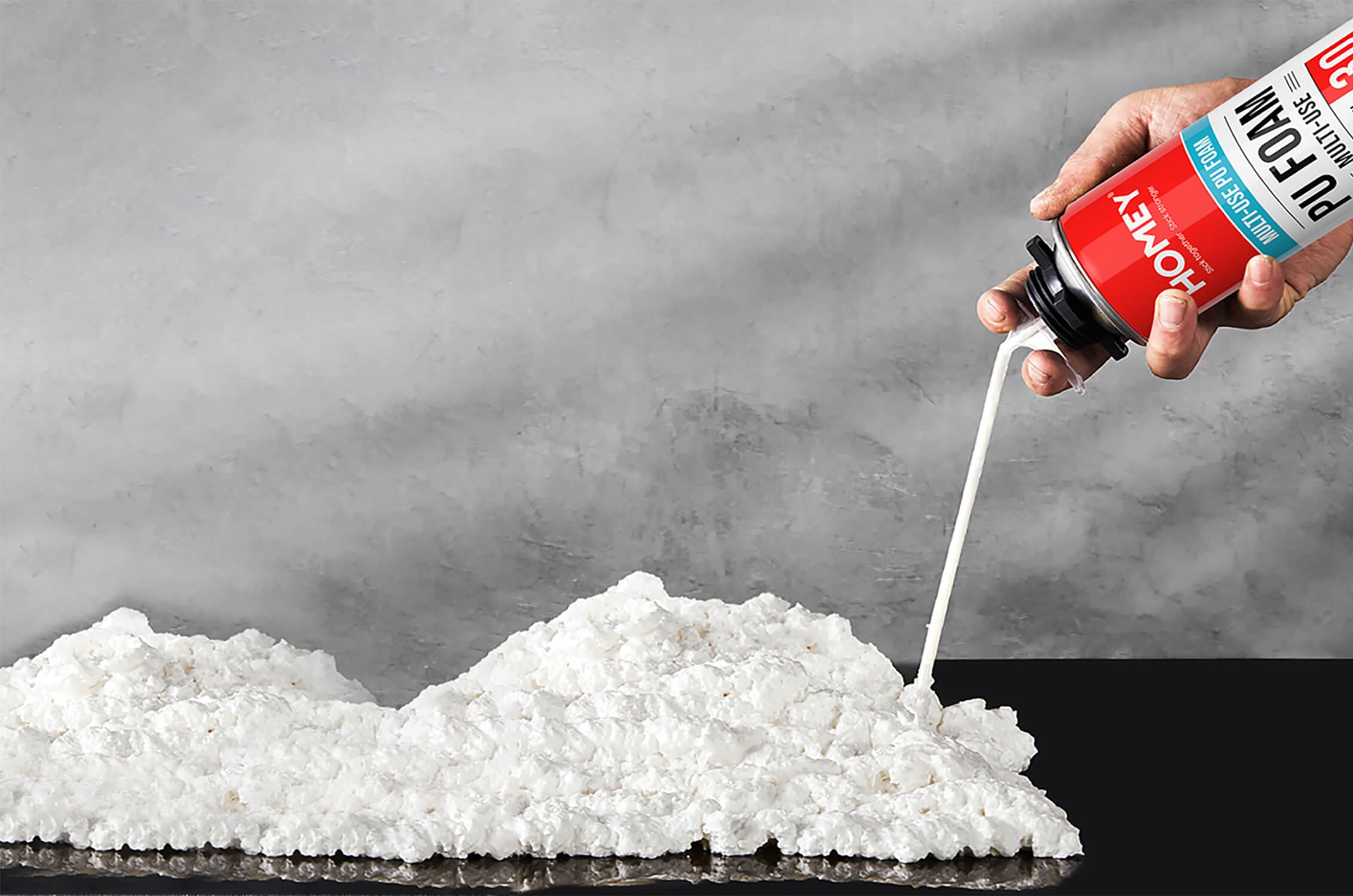
Selecting the right PU foam sealant for home projects can significantly affect the efficiency, durability, and overall outcome of your work. Whether you are sealing gaps around doors and windows, insulating walls, or filling cracks in your home, understanding the types, features, and application methods of foam sealants is essential for achieving professional results. This guide will help you make informed choices and ensure that your home improvement projects are both effective and long-lasting.
Understanding PU Foam Sealant
Polyurethane (PU) foam sealant is a versatile material used primarily for sealing, insulating, and filling gaps in various construction and home improvement projects. Unlike traditional caulking materials, PU foam expands after application, filling irregular spaces and providing excellent insulation against air, moisture, and sound. It is commonly used around doors, windows, pipes, and vents, as well as in wall cavities and roof edges.
For homeowners looking for high-quality options, platforms like PU foam sealant provide detailed product specifications and usage guidelines. Accessing reliable sources helps in selecting foam that matches the specific requirements of your project, whether it’s temperature resistance, expansion rate, or curing time.
Key Factors to Consider
When choosing a PU foam sealant, several critical factors should be considered:
1. Expansion Rate
PU foam sealants vary in their expansion rates. Some foams expand minimally, making them ideal for small gaps where controlled application is necessary. Others expand aggressively, suitable for larger cavities or wall insulation projects. Understanding the expansion rate ensures that the foam will fill the intended space without causing overflow or damage to surrounding surfaces.
2. Temperature and Weather Resistance
For exterior applications or areas exposed to temperature fluctuations, selecting a foam sealant with good thermal and weather resistance is crucial. Certain foams are designed to withstand extreme heat or cold, while others may degrade or shrink over time. Always check the product’s specifications to ensure long-term reliability in your specific environment.
3. Curing Time
Different PU foam sealants have varying curing times. Fast-curing foams can save time and allow quicker project completion, but they may require precise application to prevent waste. Slow-curing foams provide more working time, making them suitable for intricate gaps and complex sealing tasks. Choosing the right curing time depends on your project’s scale and your comfort with the application process.
4. Fire and Acoustic Ratings
Some foam sealants are designed with fire retardant or acoustic insulating properties. For areas requiring fire safety compliance or noise reduction, selecting a foam that meets these standards can enhance both safety and comfort. Ensure that the chosen foam carries the relevant certifications for your intended use.
Types of PU Foam Sealant
PU foam sealants are generally categorized into two main types: single-component and multi-component foams.
- Single-component foams are pre-mixed and ready to use. They are user-friendly and suitable for most household projects, including sealing around doors, windows, and pipes.
- Multi-component foams require mixing before application and are often used in specialized construction settings where enhanced strength, chemical resistance, or precise properties are necessary.
Understanding the type of foam that suits your needs helps prevent application errors and ensures maximum performance.
Application Tips
Proper application of PU foam sealant is vital to achieve optimal results:
- Surface Preparation: Ensure the surface is clean, dry, and free from dust, grease, or loose particles. This enhances adhesion and prevents foam from detaching after curing.
- Controlled Dispensing: Use a foam gun or nozzle for precise application. Overfilling can lead to excessive expansion, while underfilling may leave gaps.
- Curing and Trimming: Allow the foam to fully cure according to the manufacturer’s instructions. Once cured, excess foam can be trimmed with a sharp knife for a neat finish.
- Protective Measures: Wear gloves and protective clothing, as uncured foam can be sticky and difficult to remove from skin and surfaces.
Common Home Applications
PU foam sealants are highly versatile and can be used for:
- Sealing gaps around window and door frames to improve energy efficiency.
- Filling cracks in walls and ceilings to prevent air and water infiltration.
- Insulating pipes, ducts, and vents to reduce heat loss or noise.
- Attaching lightweight panels or insulation boards in construction projects.
By understanding the correct foam type and application method, homeowners can effectively enhance both the functionality and aesthetic appeal of their spaces.
Conclusion
Choosing the right PU foam sealant involves understanding product features, environmental considerations, and specific project requirements. Careful selection ensures efficient sealing, long-lasting performance, and protection against air, moisture, and noise. By following proper application techniques and considering the key factors discussed, homeowners can confidently tackle a variety of home improvement tasks with professional results. Selecting the right foam can transform a simple repair into a durable and energy-efficient solution, saving both time and resources in the long run.