

Swimming pool safety has evolved from a basic design consideration into a strict legal and structural requirement for modern residential and commercial properties. Today, property owners favor sleek, frameless pool fences that maximize outdoor views without compromising on safety. This shifts structural focus onto the hardware, making a comprehensive Glass Pool Fence Spigots Guide one of the most critical resources for contemporary outdoor installations.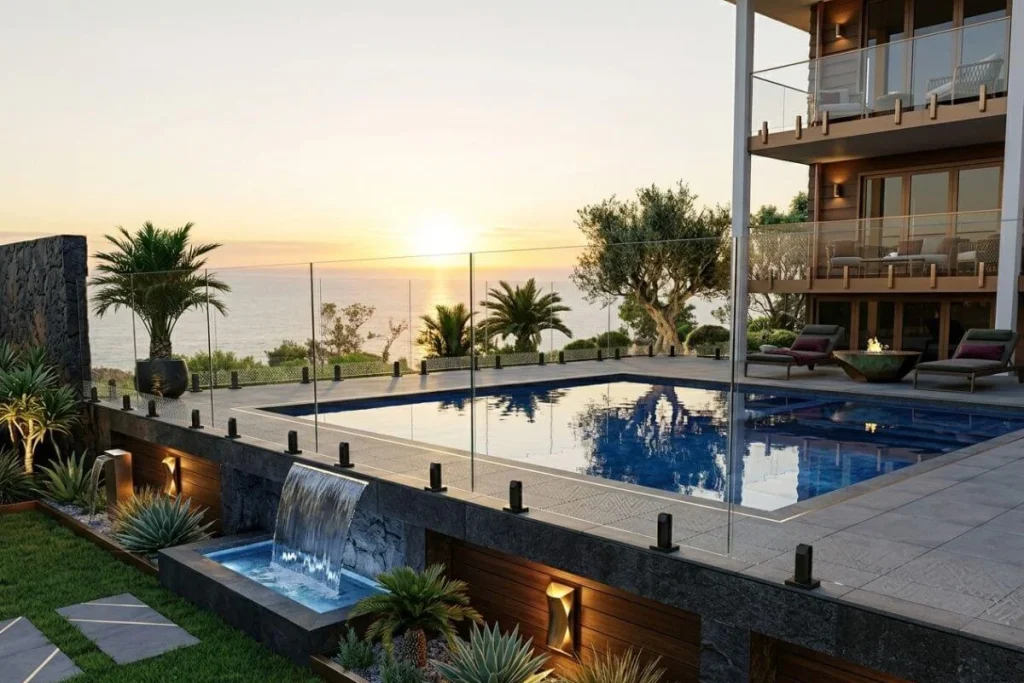
However, hardware quality, durability, and compliance levels vary significantly across the market. Opting for uncertified or cheaply manufactured fixtures can result in structural failures, rapid corrosion, expensive maintenance, and serious legal liabilities.
Understanding material standards, global certifications, and supplier credentials is vital before investing in a frameless pool fencing system. This guide covers everything you need to know about glass pool fence spigots—including international compliance, material performance, installation guidelines, and how to properly evaluate your hardware supplier.
What Are Glass Pool Fence Spigots?
Glass pool fence spigots are specialized stainless steel fixtures engineered to anchor frameless tempered glass panels firmly to the ground or structural surfaces. They support the glass panels vertically, completely eliminating the need for bulky metal posts or frames.
   [ Glass Panel ]
        |   |
   +----+---+----+
   |   Spigot    |  <-- Secures glass vertically without posts
   +----+---+----+
========|===|======== [ Floor / Deck Surface ]
These heavy-duty grips deliver the minimalist, “floating glass” look favored in luxury estates, resorts, rooftop lounges, and modern backyards. Most architectural layouts utilize one of three primary configurations:
- Floor-mounted spigots
- Side-mounted (face-fixed) spigots
- Core-drilled spigots
Beyond aesthetics, a spigot’s primary role is structural engineering. It ensures that heavy glass panels remain entirely stable when subjected to high wind loads, sudden impacts, and daily environmental exposure.
Why Compliance Matters for Glass Pool Fence Spigots
Pool safety regulations are enforced globally to mitigate drowning hazards and safeguard residential environments. Industry data confirms that rigid, reliable pool barriers drastically cut down accidental drowning incidents among young children.
While a frameless glass wall looks weightless, the underlying engineering must withstand incredible leverage. If a glass pool fence spigot cracks or shifts under pressure, the entire glass barrier can fail.
True structural compliance guarantees that:
- The hardware sustains necessary weight and lateral loads.
- Glass panels remain locked in place during physical impacts.
- The metal alloy resists degradation from pool chemicals.
- The setup satisfies regional building code demands.
Using fully certified hardware protects property values and gives builders, inspectors, and homeowners total peace of mind.
Key Certifications for Glass Pool Fence Spigots
ASTM Standards
ASTM International outlines widely accepted engineering and material benchmarks. For pool fencing hardware, ASTM testing protocols check for structural load thresholds, salt spray corrosion resistance, mechanical impact tolerance, and exact alloy composition. Hardware backed by ASTM criteria holds up far better against harsh outdoor elements.
Australian Standards (AS 1926)
Australia enforces some of the most rigorous pool safety mandates worldwide. The AS 1926 standard dictates strict rules regarding fence heights, anti-climb zones, gate self-closing mechanics, and structural rigidity. Because of this reputation, premium manufacturers overseas build their hardware to meet or exceed Australian guidelines.
CE Certification
A CE mark proves compliance with European Union health, safety, and environmental protection laws. This stamp confirms manufacturing consistency and structural safety, streamlining building inspection approvals on major commercial projects.
ISO Certification
Factories carrying ISO certifications operate under standardized quality management frameworks. When sourcing from an ISO-rated manufacturer, buyers can rely on consistent production tolerances, batch traceability, and verified material purity.
Why Stainless Steel Grade Matters
The specific grade of stainless steel used in your hardware dictates its ultimate lifespan. Pool areas create highly corrosive microclimates due to constant exposure to water splashes, chlorine, salt, humidity, and intense UV rays.
| Stainless Steel Grade | Best Suited For | Key Pros & Cons |
| Grade 304 | Inland residential pools, mild/dry climates | Cost-effective, clean finish, but prone to tea-staining near salt water. |
| Grade 316 Marine-Grade | Coastal properties, saltwater pools, high humidity | Enhanced with molybdenum, highly rust-resistant, maximum structural life. |
For long-term safety, most premium installations depend on marine-grade alloys. You can find high-performance, weather-tested hardware options directly through a dedicated glass railing spigots pool fencing supplier.
Types of Glass Pool Fence Spigots
Selecting the right mounting style ensures your project aligns with both your structural layout and design goals.
Floor-Mounted Spigots
These fixtures bolt straight down onto the top of finished decks, pavers, or concrete slabs using heavy-duty baseplates. They offer simple installation, excellent weight distribution, and easy access for maintenance, making them a go-to choice for residential backyards.
Side-Mounted Spigots
Also known as face-fixed spigots, these secure directly to the vertical fascia of a concrete slab, balcony edge, or timber deck. They keep the floor surface completely clear, maximize walking space, and create a striking, seamless aesthetic.
Core-Drilled Spigots
Core-drilled models are set inside cylindrical holes bored directly into a concrete foundation, then secured permanently with non-shrink structural grout. This approach leaves minimal visible hardware on the surface for an ultra-clean look, though it requires precise layout planning.
Important Compliance Features Buyers Should Check
Do not assume a product is safe just because it is marketed as “pool hardware.” Always verify these four technical markers:
- Load Capacity Testing: Ensure the manufacturer provides verified engineering data demonstrating resistance to wind loads and sudden blunt force impacts.
- Tempered Glass Compatibility: Spigots must match the precise thickness of your safety glass—typically 10mm, 12mm, or 15mm panels. Incorrect rubber pressure gaskets can cause glass slippage or localized shattering.
- Corrosion Resistance Documentation: Request salt-spray chamber testing data, especially if installing the hardware near coastal air or automated saltwater chlorinators.
- Secure Anchor Systems: Hardware is only as strong as its connection to the earth. Ensure your spigots utilize industrial-grade expansion bolts or structural chemical anchors.
Supplier Checklist for Glass Pool Fence Spigots
Partnering with an established, transparent manufacturer is just as important as choosing the right steel grade. Use this quick checklist to vet potential partners:
1. Do they supply authentic certification paperwork?
A premier glass railing systems supplier should readily offer material test reports (MTRs), ISO factory audits, and CE/ASTM safety compliance sheets.
2. Can they explain structural installation requirements?
Reputable suppliers understand the physics of frameless balustrades. They will provide detailed technical drawings, anchor depth recommendations, and structural installation guides to ensure a safe build.
3. Do they offer an extensive, versatile product line?
A reliable supplier supports various architectural needs, offering everything from standard glass clamps connectors to specialize profiles. Their inventory should feature diverse styles, such as a modern square stainless steel glass staircase railing or matte black configurations.
4. Are their manufacturing standards transparent?
A professional factory will openly clarify their machining processes, surface polishing techniques, and quality control steps. You can review established industrial production profiles directly via the Unikim China Made-in-China portal.
5. Do they provide dedicated engineering support?
For complex architectural layouts, having access to technical support for glass sizing, wind load calculations, and regional code compliance is invaluable.
Installation Quality Directly Impacts Safety
Even the highest-grade marine spigot will fail if the physical installation is flawed. Common structural mistakes include:
- Poor Glass Alignment: Uneven spacing distributes wind pressure unevenly, placing concentrated stress on individual glass panels.
- Weak Structural Foundations: Fastening heavy glass to thin wood decking or cracking concrete compromises the entire barrier.
- Improper Torque Settings: Over-tightening clamping bolts can stress the glass, while under-tightening allows panels to rattle or slip out under wind load.
To minimize these risks, always work with certified installers who understand the engineering demands of frameless architectural glass.
The Rising Demand for Frameless Pool Fencing
Modern residential architecture relies heavily on clean lines and open concepts. Frameless glass pool fencing has surged in popularity worldwide because it fulfills safety mandates without boxing in outdoor living spaces.
+-------------------------------------------------------------+
|                        VISUAL BENEFITS                      |
|  [ Modern Architecture ]  -->  Maintains Panoramic Views    |
|  [ Premium Spigots ]     -->  Boosts Property Valuation     |
|  [ Frameless Glass ]      -->  Creates a Spacious Ambience  |
+-------------------------------------------------------------+
Homeowners choose to invest in premium frameless systems because they complement high-end landscaping, preserve clear views of swimming children, and elevate the overall aesthetic of a home. To see how these systems integrate seamlessly into real-world projects, check out video demonstrations on the Unikim Railings YouTube Channel.
Common Buying Mistakes to Avoid
- Prioritizing Low Cost Over Safety: Cheap hardware lacks verified structural testing and pure alloy compositions, frequently developing surface rust within its first year.
- Ignoring Local Building Codes: Building codes vary significantly between municipalities. Always double-check your local gate-latch, gap-width, and height mandates before purchasing hardware.
- Purchasing Unverified Components: Non-certified components carry an unquantifiable risk of failure. Always demand verified factory paperwork.
- Selecting the Wrong Stainless Steel Alloy: Installing Grade 304 steel near a coastal saltwater pool leads to rapid tea-staining, pitting, and structural degradation.
How to Choose the Best Glass Pool Fence Spigots
To select the ideal hardware for your outdoor living space, match your regional environment and architectural layout to the core criteria below:
| Feature Selection | What You Must Verify |
| Material Composition | Demand 316 Marine-Grade stainless steel for outdoor longevity. |
| Safety Certification | Look for verified ASTM, AS 1926, CE, or ISO markings. |
| Mounting Setup | Choose floor-mount, side-mount, or core-drilled based on your foundation. |
| Glass Thickness | Ensure strict compatibility with 10mm to 15mm tempered safety glass. |
| Corrosion Testing | Confirm the product has successfully passed professional salt spray tests. |
| Warranty & Support | Source from suppliers that offer comprehensive engineering support and product warranties. |
Summary
Selecting the proper glass pool fence spigots is the most critical step in building a safe, durable, and striking frameless pool enclosure. Relying on fully certified hardware, sourcing marine-grade stainless steel, following precise installation steps, and choosing transparent suppliers guarantees top-tier long-term performance.
By carefully evaluating material certifications and structural load tests, you can build a pool barrier that perfectly balances high-end modern style with uncompromised safety. For comprehensive inventory options, custom project engineering, or technical consultation, visit the main URailing Homepage or get in touch with product specialists directly through their official Contact Page.
Frequently Asked Questions
Q. Why are hardware certifications necessary for glass pool fences?
A. Certifications prove that your spigots have undergone independent structural, load, and corrosion testing, verifying they can safely support heavy glass panels over time.
Q. Which stainless steel grade should I choose for a pool area?
A. Grade 316 marine-grade stainless steel is highly recommended. It contains molybdenum, which protects the metal against corrosion from chlorine, salt water, and high humidity.
Q. Are glass pool fence spigots safe to use around saltwater pools?
A. Yes, provided they are machined from certified 316-grade stainless steel. Lower grades, like 304, will corrode and pit rapidly in saltwater environments.
Q. How long do high-quality glass pool fence spigots last?
A. When crafted from certified marine-grade steel and cleaned regularly with fresh water, premium spigots are designed to last for decades without degrading structurally.
Q. Can these spigots handle thick, heavy tempered glass panels?
A. Yes. Professionally engineered spigots are explicitly built to support heavy 10mm to 15mm tempered safety glass panels and resist strong lateral wind pressures.
Q. What documentation should I ask a supplier for before ordering?
A. Always ask your supplier for official material test reports (MTRs), engineering load data, salt spray corrosion test results, clear installation guides, and product warranty terms.