
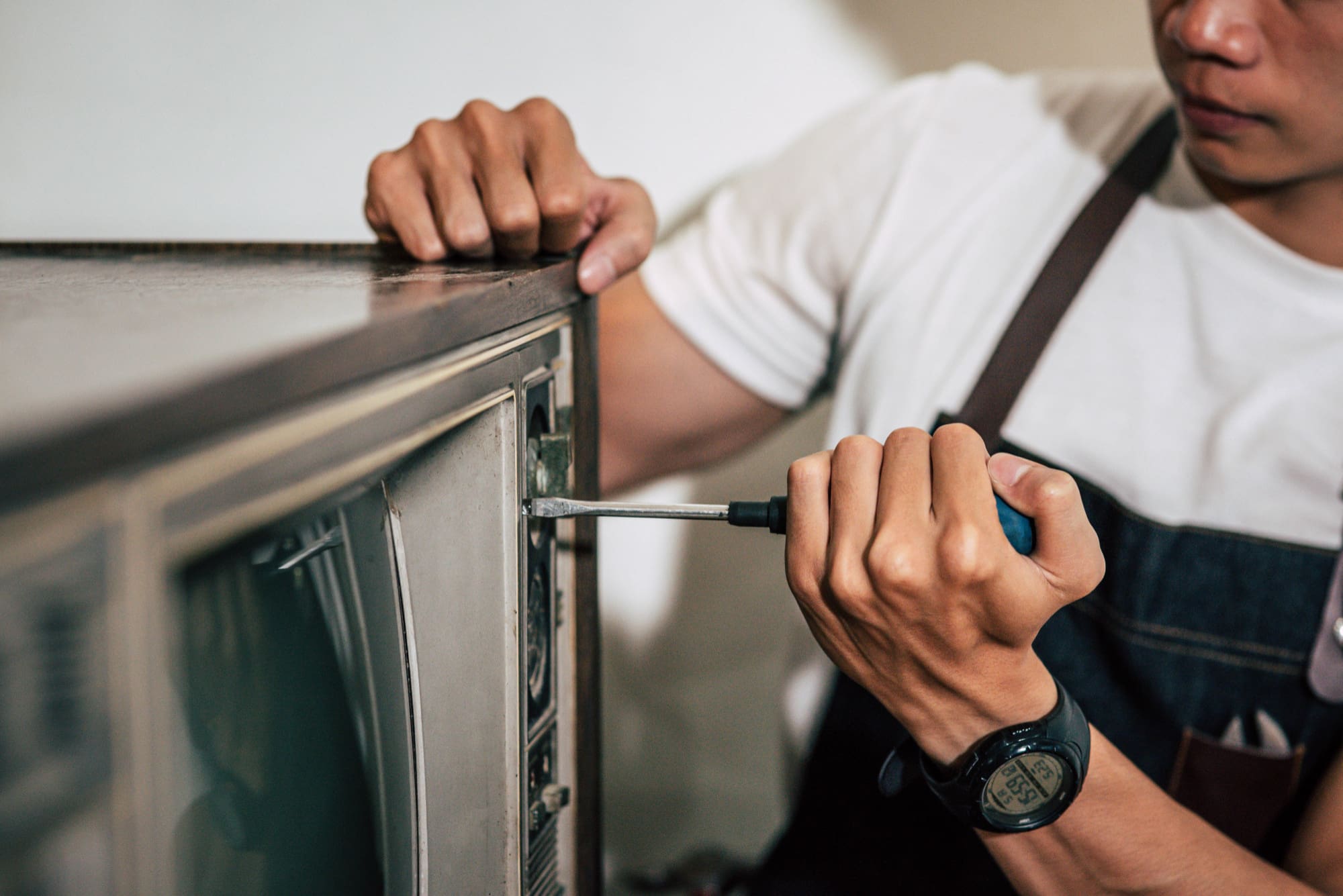
The appliance repair industry thrives on speed and precision. A broken refrigerator or a leaking washing machine represents a crisis for a homeowner. They expect a technician to arrive quickly, diagnose the problem accurately, and provide a clear path to a fix. For many established businesses, the humble paperwork order has been the backbone of this process for decades. It feels tangible and reliable until the moment a technician loses a carbon copy under a truck seat or a coffee stain renders a part number unreadable.
Relying on physical paper creates a massive invisible tax on your daily operations. Every minute a technician spends scribbling notes or driving back to the office to drop off a stack of invoices is a minute not spent on a billable service call. The friction of manual data entry leads to billing delays and frequent administrative errors. Transitioning to a digital workflow is no longer just a modern luxury. It is a fundamental requirement for any business that wants to scale without drowning in a sea of filing cabinets and lost revenue.
The High Cost of Physical Paper Trails
The most obvious problem with paper is its fragility. A single gust of wind or a cluttered service van can disappear a day’s worth of revenue in an instant. Beyond physical loss, there is the issue of legibility. Office staff often find themselves playing detective to decipher messy handwriting on a crumpled invoice. This slows down the invoicing cycle and leads to incorrect parts being ordered. When the wrong heating element arrives for a dryer because a technician’s “7” looked like a “2,” the business loses money on shipping, and the customer loses faith in the service.
Manual processes also create a significant lag in cash flow. In a paper-based system, the office typically does not know a job is finished until the technician returns at the end of the day or even the end of the week. This delays the billing process by several days. Modern customers expect instant digital receipts and the ability to pay on the spot. If you are still waiting for a paper trail to reach your desk before you can send an invoice, you are essentially giving your customers interest-free loans at the expense of your own payroll.
Speeding Up the Field Workflow
Digital systems remove the administrative burden from the people who should be focused on technical repairs. When a technician has all the job details on a mobile device, they can focus entirely on the machine in front of them. Digital work orders enable technicians to attach high-resolution photos of the appliance model number and the specific failure point. This visual documentation protects the business from liability and ensures that every person involved in the repair chain sees exactly what the technician sees.
- Instant Data Sync: Information entered in the field reaches the office the moment the technician hits save.
- Photo Documentation: Capture “before and after” images to prove the quality of work and justify part replacements.
- Automated Time Tracking: Accurately measure how long repairs take to optimize future scheduling and labor costs.
- Customer Signatures: Capture digital signatures directly on a screen to authorize work and confirm completion without touching a pen.
Upgrading to a dedicated management platform changes this dynamic completely. Using a system specifically built for the trades, let’s say Workiz, gives dispatchers the visibility required to drop response times. Dispatchers can see exactly where every technician is located and which jobs are still open. This level of transparency is impossible to achieve with a whiteboard and a stack of paper tickets. It makes “on-the-fly” adjustments easy when an emergency call comes in, ensuring the closest tech is routed to the new job immediately.
Precision in Parts and Inventory Management
One of the most frustrating aspects of appliance repair is the “parts pending” limbo. A technician visits a home, identifies the broken component, and then has to communicate that need back to the office. In a paper-filled environment, that request sits in a bin until someone manually enters it into an ordering system. This delay keeps the customer’s appliance broken for longer and increases the chances of a “no-show” for the follow-up visit.
Using modern Appliance Repair Software integrates inventory management directly into the work order. Technicians can check if a part is currently in their van or at the main warehouse while they are still standing in the customer’s kitchen. If the part needs to be ordered, the request is flagged for the procurement team instantly. This seamless handoff ensures that parts are ordered within minutes of the diagnosis rather than days.
Enhancing Professionalism and Trust
The image of a technician fumbling with a messy clipboard does not inspire confidence in a high-tech world. Today’s consumers are accustomed to the slick experiences provided by major logistics and delivery companies. They want text alerts when the tech is on the way and a professional PDF invoice in their inbox the moment the job is done. Moving away from paper signals to your customers that your business is modern, organized, and reliable.
The Path to Complete Business Automation
The transition from paper to digital is often the first step toward full business automation. When your data is digital, you can start analyzing trends. You can see which technicians are the most efficient and which appliance brands are causing the most callbacks. This business intelligence is buried in paperwork and is nearly impossible to extract without a digital foundation. For owners looking to compare options, looking into the best software for appliance repair businesses provides a roadmap for what features are most vital for growth.
Final Takeaway
Paper work orders are more than just an inconvenience. They are a bottleneck that limits how many jobs your team can handle and how quickly you get paid. By adopting digital work orders, you eliminate the risk of lost documents, improve the accuracy of your parts ordering, and provide a much better experience for your customers. The initial effort of digitizing your workflow pays for itself through increased billable hours and a significantly shorter billing cycle.
Frequently Asked Questions
Will my older technicians struggle with moving away from paper?
Most modern field service tools are designed with a “mobile-first” approach that mimics the simplicity of common smartphone apps. While there is always a learning curve, the reduction in manual writing and the ability to use voice-to-text features often make digital tools more popular with technicians once they get past the first week.
How does going paperless help with my company’s cash flow?
Paperless systems trigger immediate invoicing. Instead of waiting for a physical ticket to be turned in, processed, and mailed, you can send an invoice the second a job is marked as complete. Many systems also feature “click-to-pay” options, which result in significantly faster settlements.
Can I still track parts inventory without paper logs?
Digital work orders are actually far superior for inventory tracking. Every part used on a job is automatically deducted from the technician’s van stock in real time. This provides the office with an accurate view of what needs to be restocked without requiring a manual end-of-week count.
What happens if a technician is in a basement with no internet?
High-quality field service applications include an offline mode. Technicians can continue to fill out the work order, take photos, and collect signatures. Once the device regains a data connection, all the information syncs back to the office automatically without any loss of data.
Is digital documentation legally binding for service contracts?
Yes. Digital signatures collected on mobile devices are legally recognized in most jurisdictions. Furthermore, the digital “time and date” stamps on photos and status changes provide a more robust audit trail than a handwritten date on a piece of paper in the event of a dispute.
Do I need to buy expensive tablets for all my technicians?
Most digital work order systems are compatible with standard smartphones that technicians already own. While some businesses choose to provide tablets for the larger screen real estate, it is not a requirement to begin the transition away from paper.