
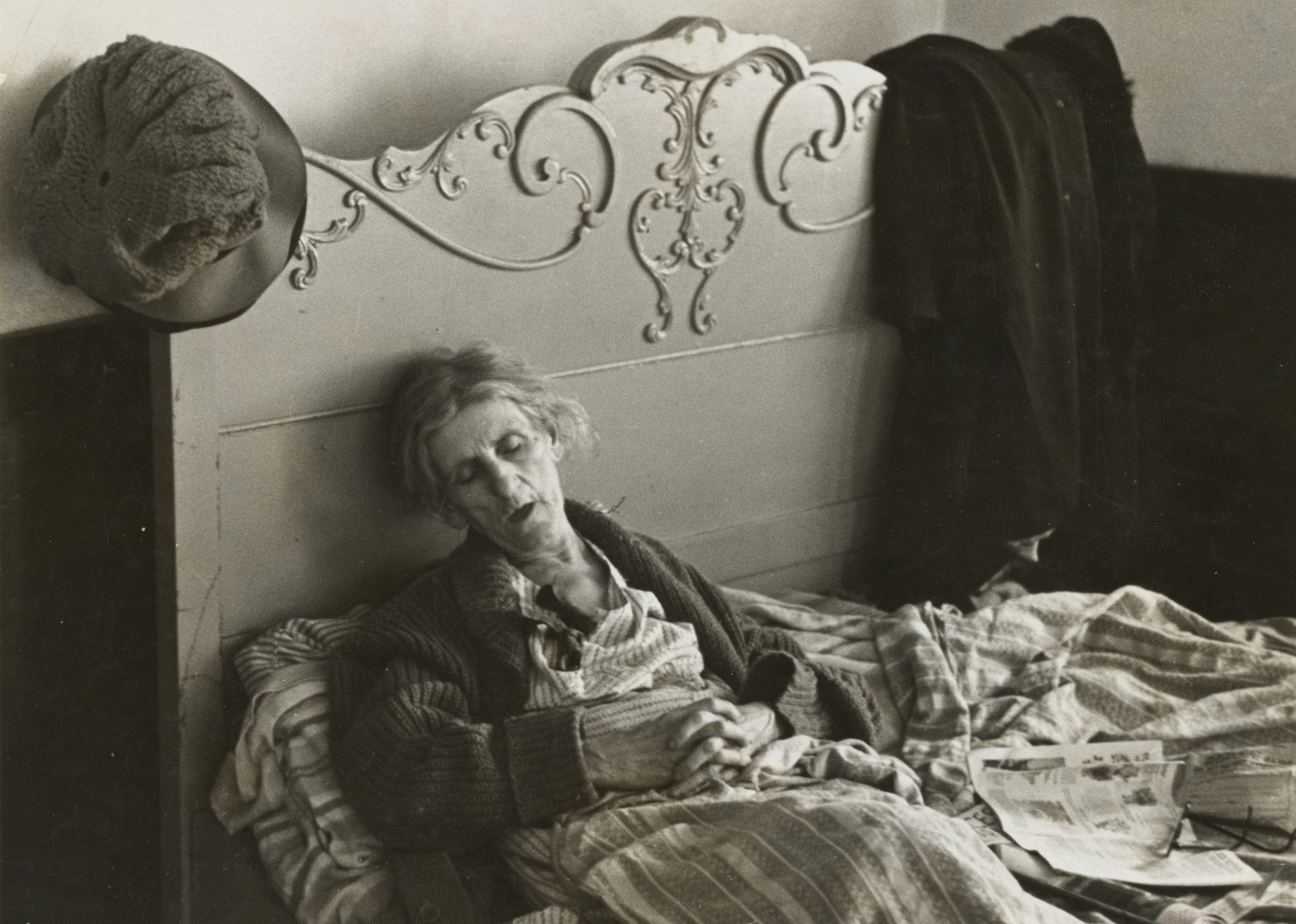
As more Americans take on the responsibility of caring for aging loved ones, the conversation around caregiving is becoming more visible. But while much of the focus remains on time, logistics, and physical care, a deeper reality often goes unspoken: caregiving doesn’t just demand effort, it reshapes lives.
For many, stepping into a caregiving role is not a planned decision, but a gradual shift. What begins as occasional help can quickly evolve into a daily responsibility, layered on top of existing commitments. Careers, personal relationships, and routines are forced to adjust, often without clear boundaries or long-term planning. What was once temporary quietly becomes permanent, without families ever having the chance to fully prepare for the weight of that transition.
This is especially true for those in the “sandwich generation,” individuals balancing care for both their children and their aging parents. Pulled in multiple directions, they are expected to show up fully in every role, at work, at home, and as caregivers. The result is a constant negotiation of time, energy, and emotional capacity, where something is always being postponed, compromised, or left undone.
But the true cost of caregiving extends beyond scheduling challenges. It often shows up in more subtle, cumulative ways: missed career opportunities, financial strain, and a lingering sense of guilt. Many caregivers report feeling like they are never doing enough, no matter how much they give. Over time, this emotional weight can lead to burnout, affecting not only their own well-being but also the quality of care they are able to provide. What makes this particularly difficult is that burnout rarely arrives all at once. It builds slowly, often going unnoticed until it becomes overwhelming.
Part of the challenge lies in how caregiving has traditionally been structured. For decades, families have been seen as the default support system, expected to absorb the majority of responsibility. While this model may work in the short term, it is increasingly difficult to sustain in a world where dual-income households, geographic distance, and longer life expectancies have become the norm. The expectations have remained the same, but the realities surrounding them have fundamentally changed.
As these pressures grow, more families are beginning to question whether doing it alone is truly the best approach. The idea that caregiving must be entirely handled within the family is slowly being replaced by a more balanced perspective, one that recognizes the need for external support. This shift reflects a deeper understanding that sustainability matters, not just for the person receiving care, but for everyone involved in providing it.
This shift is not about stepping back from responsibility, but about redistributing it in a way that is more sustainable. By introducing additional layers of support, families can create space to maintain their own stability while ensuring their loved ones receive consistent, attentive care. It also allows caregiving to become more intentional, rather than reactive, creating a structure that can evolve as needs change over time.
In this context, at-home care has emerged as a practical solution that aligns with both needs. Rather than disrupting routines or removing individuals from familiar environments, it allows care to be integrated into daily life. Support becomes an extension of the individual’s existing lifestyle, rather than a replacement for it.
Providers like Applause Home Care, an independent and family-owned agency providing exceptional home care in Fair Lawn, Maplewood, and Northern New Jersey, are part of this evolving approach. By offering personalized, non-medical care that adapts to each client’s unique situation, and prioritizing flexibility and one-on-one support, this model not only benefits the individual receiving care, but also helps relieve the ongoing pressure placed on family caregivers.
Ultimately, the conversation around caregiving is beginning to change. What was once viewed as a private responsibility is now being recognized as a shared challenge, one that requires more thoughtful, sustainable solutions.
Because caring for a loved one should not come at the cost of losing yourself in the process. And as more families navigate this reality, finding balance may become just as important as providing care itself.
