
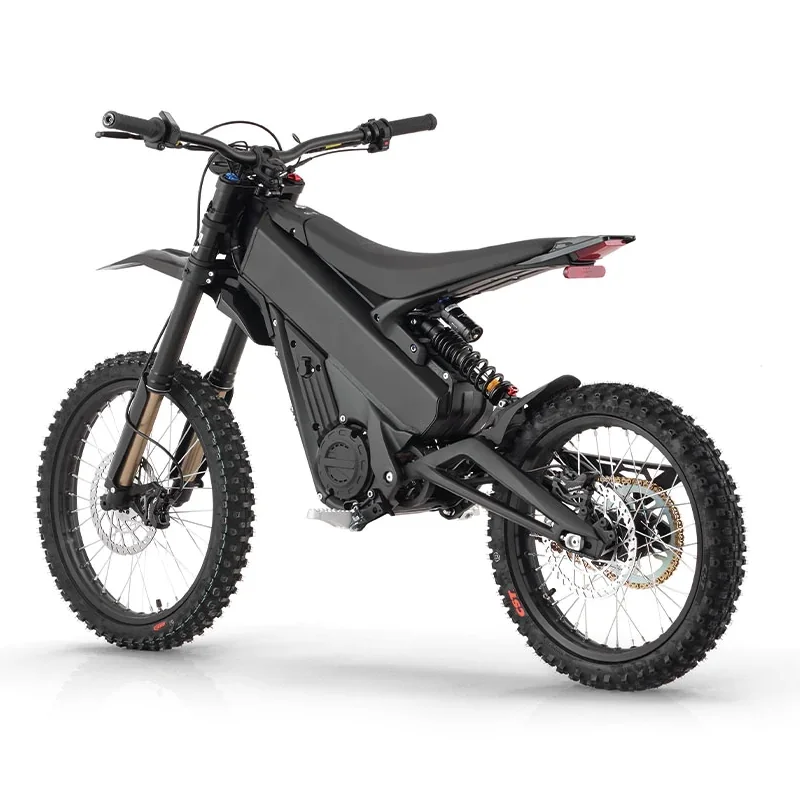
Why the Talaria X3 Deserves Your Attention
Electric off-road bikes have experienced a surge in popularity, but most riders face a frustrating choice: opt for a heavy and powerful model, or a lightweight and underpowered one. The Talaria X3 Concept challenges this compromise by delivering serious performance in a surprisingly manageable package. After examining its specs and capabilities, it’s clear this bike has been engineered with real-world riding in mind.
First Impressions: Lighter Than You’d Expect
At 125 pounds, the X3 immediately stands out. Pick it up, throw it in a truck bed, or manoeuvre it through tight trail sections—this bike won’t wear you out before the ride even begins. The 31.5-inch seat height feels natural for most riders, offering enough ground clearance for technical terrain without requiring a step ladder to mount.
The build quality impresses right away. Available in Black/Grey, Red, Blue, and Purple colourways, the X3 looks the part without screaming for attention. Sometimes you want a bike that can slip under the radar, and the X3’s compact form factor delivers exactly that.
The Motor: Where Premium Tech Meets Real Performance
Here’s where things get interesting. Talaria didn’t cut corners on the powertrain. The X3 uses the same Interior Permanent Magnet motor found in their flagship Sting R—a unit that represents a genuine leap forward from what you’ll find in comparable bikes.
This IPM motor produces 6,000W of continuous power, with peaks reaching 6,500W. But raw numbers only tell part of the story. The real advantage comes from the motor’s efficiency and reliability. Traditional motors in this class suffer from loose magnets, demagnetisation, and hall sensor failures. The X3’s IPM design addresses these weaknesses directly with superior magnets, better heat management, and a magnetic encoder that eliminates problematic hall sensors.
What does this mean when you twist the throttle? Smooth, consistent power delivery across a wide RPM range. The bike accelerates hard when you need it, maintains power through technical sections, and reaches a top speed of 47 mph—plenty for most off-road scenarios and even some street use where legal.
The FOC sine wave controller deserves mention, too. It creates incredibly smooth throttle response without the jerky on-off feel that plagues cheaper electric bikes. Whether you’re crawling over rocks or carving through loose dirt, the power comes on predictably.
Battery Technology: Going the Distance
The 60V 40Ah battery represents thoughtful engineering beyond just capacity numbers. Talaria built this pack with 128 LG M-50 21700 cells arranged in a 16s8p configuration, delivering 2400 watt-hours of energy storage. These aren’t generic cells—LG M-50s are known for reliability and performance.
The battery integrates into the frame rather than sitting as a removable pack like the Sting R. Some might see this as a disadvantage, but there’s method here. By distributing the battery’s weight along the bike’s length, Talaria improved handling characteristics and lowered the centre of gravity. The result is a bike that feels planted and balanced through corners and over obstacles.
Range claims always come with asterisks, but expect 60-80 kilometres of real-world riding at moderate speeds. Push hard and that number drops; cruise conservatively and you might exceed it. The efficient IPM motor helps here, converting more battery energy into forward motion rather than waste heat.
Removing the battery takes about five minutes once you’ve pulled the rear wheel and released the quick-release on the rear suspension. Not instant, but manageable if you need to charge separately or swap for a fresh pack.
Suspension: Capability Without Complexity
The X3 runs full suspension with newly developed adjustable Talaria forks up front and an adjustable shock out back. The rear uses a single-pivot design rather than the complex linkage found on the Sting R. This simpler approach reduces weight and complexity while still providing adequate travel for most trail conditions.
Can you bottom out the suspension on big hits? Probably, if you’re really pushing it. But for typical trail riding, XC terrain, and even moderate jumps, the suspension handles well. The adjustability lets you dial in the setup for your weight and riding style.
The 19-inch front and 17-inch rear Super Moto wheels strike a practical balance. The front tyre (70/90-17 on a 1.6″ rim) offers good steering feel, while the rear (90/80-17 on a 2.15″ rim) provides traction without excessive weight. These sizes also mean reasonable tyre availability and cost compared to oddball sizes.
Stopping Power: Confidence When It Counts
Four-piston hydraulic brakes gripping 220mm rotors at both ends deliver stopping power that matches the X3’s performance. These aren’t entry-level brakes—they’re the same spec found on much more expensive bikes. Lever feel is solid, modulation is excellent, and heat management keeps things consistent even on long descents.
The regenerative braking adds another dimension, feeding energy back into the battery while providing a subtle engine-braking feel. It’s not aggressive enough to replace the mechanical brakes, but it contributes to overall range and adds another tool for speed control.
Smart Features That Actually Matter
The OLED display provides clear information without unnecessary clutter. Speed, battery level, and riding mode—that’s what you need to know, and that’s what you get. The compact size keeps it out of the way while remaining readable.
The RFID start system modernises security without adding bulk. No fumbling for keys with gloves on—just tap and go. It’s a small detail that improves daily usability.
The headlight system includes a three-position switch with high beam capability. If you ride at dawn, dusk, or after dark, having legitimate lighting makes a real difference for safety and visibility.
Comparing Options: X3 or Sting R?
Both bikes share core technology—the same excellent IPM motor, FOC controller, and display. But they target different priorities:
The X3 makes sense if you value lighter weight, easier handling, lower cost, and a more discreet profile. The belt reduction system will feel familiar if you’re coming from a Sur-Ron. The built-in battery keeps costs down while still providing a solid range.
The Sting R justifies its premium if you need maximum range (45Ah vs 40Ah), quick battery swaps, or the most sophisticated suspension. It’s also 20 pounds heavier, which matters when you’re loading bikes or picking one up after a tip-over.
For most riders, the X3 delivers 90% of the Sting R’s capability at a notably lower price and weight. That’s a compelling trade-off.
Real-World Riding: Who Benefits Most?
The X3 shines in several scenarios. Trail riders who value agility over maximum power will appreciate the lighter weight when threading through technical sections. The bike loads easily into trucks and vans—a practical consideration if you trailer to riding spots.
Urban riders who occasionally hit trails benefit from the X3’s manageable size and reasonable top speed. It won’t overwhelm beginners but has enough power to keep experienced riders engaged.
The bike works well for riders transitioning from pedal mountain bikes who want electric assistance without jumping straight to full motocross-sized machines. It’s also ideal if you’re upgrading from a Sur-Ron and want similar handling with better components.
Value Analysis: What You’re Actually Getting
The X3 delivers premium components—IPM motor, quality battery cells, adjustable suspension, strong brakes—at a competitive price point. Talaria backs this with a two-year limited warranty covering materials and workmanship, which provides real peace of mind in a market where some manufacturers offer minimal coverage.
You’re not paying for unnecessary features or over-built components you won’t use. The X3 focuses the budget on the parts that directly impact performance and reliability.
The Bottom Line
The Talaria X3 succeeds by making smart compromises. It’s lighter and more affordable than the Sting R while using the same excellent motor. It sacrifices quick battery swaps and complex suspension for reduced weight and lower cost. For many riders, these trade-offs make perfect sense.
This isn’t a bike trying to be everything to everyone. It’s a focused tool designed for riders who prioritise agility, efficiency, and value over maximum specs. If that describes your priorities, the X3 deserves serious consideration.