
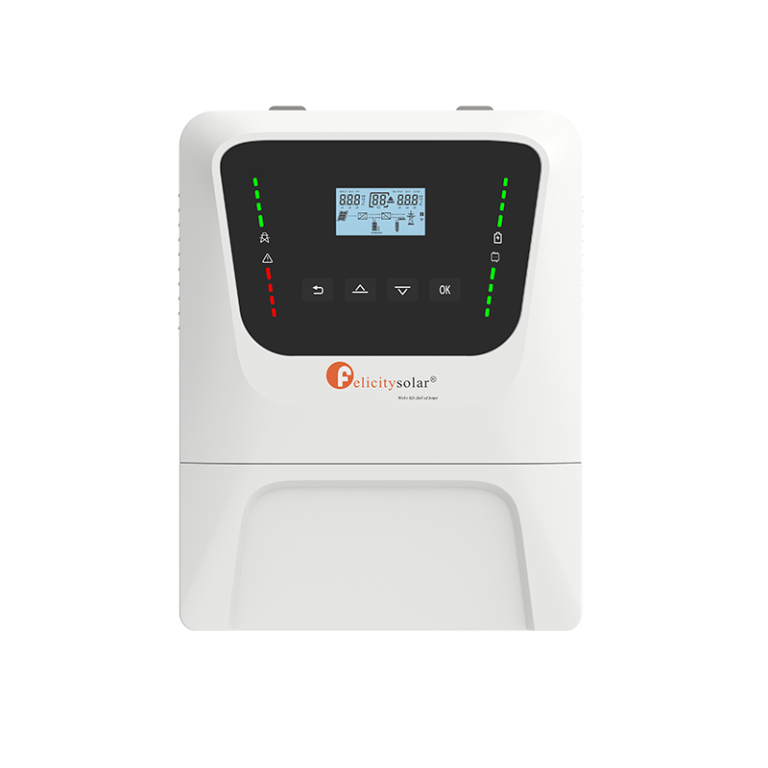
There are millions of homes, farms, remote facilities, and communities around the world that either have no access to grid power or face such unreliable grid service that independence from the utility network is not just desirable but essential. For all of these situations, the off-grid solar inverter is the foundation technology that makes self-sufficient electricity generation possible.
This guide explains what an off-grid solar inverter is, how it works, what makes a quality system, and how to design a reliable off-grid power setup for any application.
Understanding the Off-Grid Solar Inverter
An off-grid solar inverter is a device that takes the direct current electricity produced by solar panels and converts it into the alternating current electricity that powers standard household and commercial appliances. What makes it specifically off-grid is that it operates completely independently of the utility network. There is no grid connection and no reliance on external power infrastructure of any kind.
The inverter works in conjunction with a battery bank that stores energy captured from the solar panels during daylight hours. When the sun goes down or cloud cover reduces solar production, the inverter draws power from the batteries to continue supplying electricity to the connected loads. This continuous cycle of solar charging and battery discharging is what allows an off-grid system to provide reliable power around the clock.
Modern off-grid solar inverters include built-in battery management systems that protect the batteries from overcharging during periods of high solar production and from excessive discharge during extended periods of low sunlight. This protection is critical for maximizing battery lifespan and maintaining consistent system performance over many years of operation.
How an Off-Grid Solar Inverter System Is Structured
A complete off-grid solar inverter system consists of several interconnected components that work together to generate, store, and distribute electricity reliably. Understanding each component helps you design a system that meets your specific energy needs without wasting money on oversized or undersized equipment.
Solar panels are the starting point of the system. They capture sunlight and convert it into DC electricity. The number and size of panels you need depends on your daily energy consumption and the average sunlight hours available at your location.
The off-grid solar inverter itself typically includes an integrated MPPT solar charge controller that maximizes energy harvest from the panels. The MPPT technology continuously adjusts the operating point of the solar panels to extract maximum power under any combination of temperature and light intensity conditions.
The battery bank stores the energy collected during the day for use when solar production is insufficient. Battery capacity must be sized to cover your energy needs through the longest expected period of low sunlight at your location, typically two to three days in most climates.
An optional backup generator can be integrated with many off-grid solar inverter systems to provide additional charging during extended periods of poor weather when solar production alone cannot keep the batteries sufficiently charged.
Applications for Off-Grid Solar Inverters
The off-grid solar inverter serves an extraordinarily wide range of applications across residential, agricultural, commercial, and industrial sectors. Each application has specific requirements that influence the choice of inverter size, battery technology, and system configuration.
Remote residential properties are the most common application for off-grid solar systems. Homes located beyond the reach of utility grid infrastructure benefit enormously from the independence and reliability that a properly designed off-grid solar inverter system provides. The alternative, running a diesel generator continuously, is expensive, noisy, and environmentally damaging. An off-grid solar system eliminates all of these problems while providing clean, quiet, and essentially free electricity once the initial investment is recovered.
Agricultural applications include irrigation systems, livestock watering, grain storage facilities, and farm buildings located in areas where grid connection is impractical or prohibitively expensive. A well-designed off-grid solar inverter system can power all of these applications reliably with minimal ongoing cost and maintenance.
Telecommunications infrastructure including mobile phone towers, radio relay stations, and satellite communication systems in remote locations depend on reliable power that grid infrastructure cannot provide. Off-grid solar systems are the industry standard solution for these critical applications worldwide.
Sizing Your Off-Grid Solar Inverter System
Correct sizing is the most important technical challenge in designing an off-grid solar inverter system. An undersized system will run out of power during periods of high demand or low solar production. An oversized system wastes money on unnecessary capacity that is never used.
Start by calculating your daily energy consumption in kilowatt-hours. Go through every electrical load in your property, note its wattage and the number of hours per day it operates, and multiply these figures together to get the daily energy demand of each load. Add all of these figures together to get your total daily energy requirement.
Next, determine the peak power demand. This is the maximum amount of power that might be needed at any single moment when multiple high-power appliances are operating simultaneously. Your off-grid solar inverter must be rated to handle this peak demand without tripping or shutting down.
Solar panel capacity should be sized to generate at least your daily energy requirement within the average number of peak sun hours at your location, with additional margin to account for system losses and the need to charge the batteries back to full capacity each day.
Battery capacity should cover at least two to three days of your daily energy requirement to provide an adequate buffer during periods of reduced solar production.
Maintenance and Long-Term Performance
An off-grid solar inverter system that is properly designed and installed requires minimal ongoing maintenance. The inverter itself is a solid-state electronic device with no moving parts and typically operates reliably for ten to fifteen years or more.
Regular maintenance tasks include keeping solar panels clean to maintain their efficiency, checking all electrical connections periodically for tightness and signs of corrosion, monitoring battery state of health through the inverter’s built-in management system, and ensuring that ventilation around the inverter is adequate to prevent overheating.
Conclusion
The off-grid solar inverter is the enabling technology for energy independence in locations and situations where grid power is unavailable, unreliable, or simply not the best option. A properly designed and installed off-grid solar system delivers decades of reliable, clean, and essentially free electricity that transforms the quality of life for remote households and the operational reliability of remote facilities. Felicity Solar manufactures a comprehensive range of off-grid solar inverters engineered for maximum reliability and performance in the most demanding off-grid applications anywhere in the world.
