
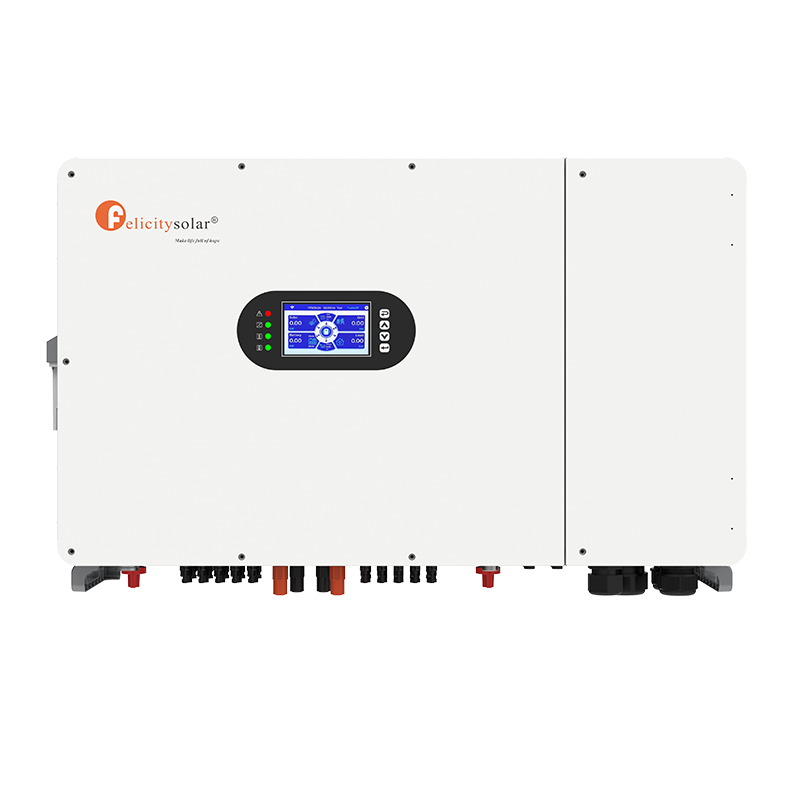
Energy costs are rising every year. Power outages are becoming more frequent in many parts of the world. People are looking for smarter, more reliable ways to manage their electricity. The hybrid solar inverter has emerged as one of the most practical and powerful solutions available today. It combines the best features of grid-tied and off-grid systems into a single intelligent device that gives you control, savings, and security all at once.
This guide covers everything you need to know about hybrid solar inverters, how they work, why they are worth the investment, and what makes them different from other inverter types.
What Is a Hybrid Solar Inverter?
A hybrid solar inverter is a device that manages power from multiple sources simultaneously. It handles energy from solar panels, battery storage, and the utility grid all at the same time. Unlike a standard grid-tied inverter that only works when the grid is active, or a basic off-grid inverter that has no grid connection at all, the hybrid version gives you the flexibility to use all three power sources intelligently.
The system automatically decides where to draw power from based on what is available and what makes the most economic sense. During the day when your solar panels are producing maximum power, the inverter uses that energy first. Any excess goes into your batteries. If the batteries are full and solar production continues, the surplus can be exported to the grid if your local regulations allow it. At night or during cloudy weather, the inverter draws from the batteries first and only pulls from the grid when battery levels drop below a set threshold.
This intelligent switching happens automatically and continuously without any input from the user. That is what makes the hybrid solar inverter so valuable for homes and businesses that want energy independence without the complexity of managing multiple systems manually.
How a Hybrid Solar Inverter Works
Understanding the operation of a hybrid solar inverter helps you appreciate why it is such a significant upgrade over conventional inverter options. The device contains several key components working together including a solar charge controller, a battery inverter, a grid-tied inverter, and an energy management system.
The solar charge controller manages the flow of power from the panels to the batteries. It uses Maximum Power Point Tracking technology to extract the highest possible energy from your solar array regardless of temperature or light conditions. This means your panels always operate at peak efficiency rather than losing energy due to suboptimal charging conditions.
The battery inverter converts the DC power stored in your batteries into AC power that your appliances can use. It also reverses this process when charging the batteries from the grid or from solar panels. The grid-tied inverter manages the connection to the utility network, allowing energy export when surplus power is available.
The energy management system is the brain of the whole operation. It monitors all power flows in real time, makes decisions about which source to use at any moment, and protects the batteries from overcharging or deep discharge that would shorten their lifespan. A quality hybrid solar inverter handles all of this seamlessly and continuously.
Key Benefits of a Hybrid Solar Inverter
The advantages of installing a hybrid solar inverter go far beyond simply reducing your electricity bill. They touch on energy security, environmental impact, and long-term financial planning.
Energy independence is the most talked-about benefit. With a hybrid system, you are no longer completely dependent on the grid. Power outages that would previously have left you without electricity now become non-events because your batteries seamlessly take over the moment grid power disappears. For businesses, this means no lost productivity. For households, it means no disruption to daily routines.
Lower electricity costs come from maximizing the use of your own solar-generated power. Instead of exporting cheap solar energy to the grid and buying expensive grid power in the evening, a hybrid system stores that solar energy in batteries and uses it exactly when it is most needed. This self-consumption approach delivers much better financial returns than simple grid export arrangements in most markets.
Scalability and future-proofing are built into most modern hybrid inverter designs. As battery technology improves and becomes more affordable, you can expand your storage capacity without replacing the inverter itself. This means your initial investment continues to grow in value as you add more batteries over time.
Environmental benefits come from using more of your own clean solar energy rather than drawing from fossil-fuel-powered grids during peak demand periods. Every kilowatt-hour of stored solar energy used instead of grid power represents a direct reduction in carbon emissions.
Choosing the Right Hybrid Solar Inverter
Not all hybrid solar inverters are created equal. The market offers a wide range of products with different power ratings, battery compatibility options, communication features, and efficiency levels. Choosing the right one requires careful consideration of your specific energy needs.
Power rating is the first consideration. The inverter must be capable of handling your maximum simultaneous load. Add up the wattage of all the appliances you might run at the same time and choose an inverter rated comfortably above that figure.
Battery compatibility matters enormously. Some hybrid inverters are designed specifically for lithium-ion batteries while others work with lead-acid or gel batteries. Make sure the inverter you choose is fully compatible with the battery chemistry you plan to use. Mismatched systems can result in poor charging performance, reduced battery life, and safety risks.
Efficiency rating determines how much of your solar energy actually reaches your appliances versus being lost as heat during the conversion process. Look for inverters with efficiency ratings of 95 percent or higher to minimize energy waste throughout the day.
Monitoring and communication features allow you to track your system’s performance in real time through a smartphone app or web portal. This visibility helps you understand your energy patterns, identify any performance issues early, and optimize your usage habits to maximize savings.
Installation and Maintenance
A hybrid solar inverter should always be installed by a qualified electrician or solar installer. The installation involves high-voltage DC from the solar panels and requires proper safety procedures, correct cable sizing, and appropriate protection devices throughout the system.
Once installed, hybrid solar inverters require very little maintenance. Keeping the vents clear of dust and debris, checking the battery connections periodically, and monitoring the system’s performance through its built-in software are the main ongoing tasks. Most quality inverters come with warranties of five to ten years, giving you confidence in the long-term reliability of your investment.
Conclusion
The hybrid solar inverter represents the most complete and flexible approach to solar energy management available today. It gives you the ability to generate, store, and intelligently use your own clean energy while maintaining a safety net connection to the grid when needed. Whether you are a homeowner looking to cut electricity bills, a business seeking energy security, or someone planning for a more sustainable future, a hybrid solar inverter is one of the best investments you can make in your energy infrastructure. Felicity Solar offers a comprehensive range of hybrid solar inverters built for reliability, performance, and long-term value across residential and commercial applications worldwide.
