
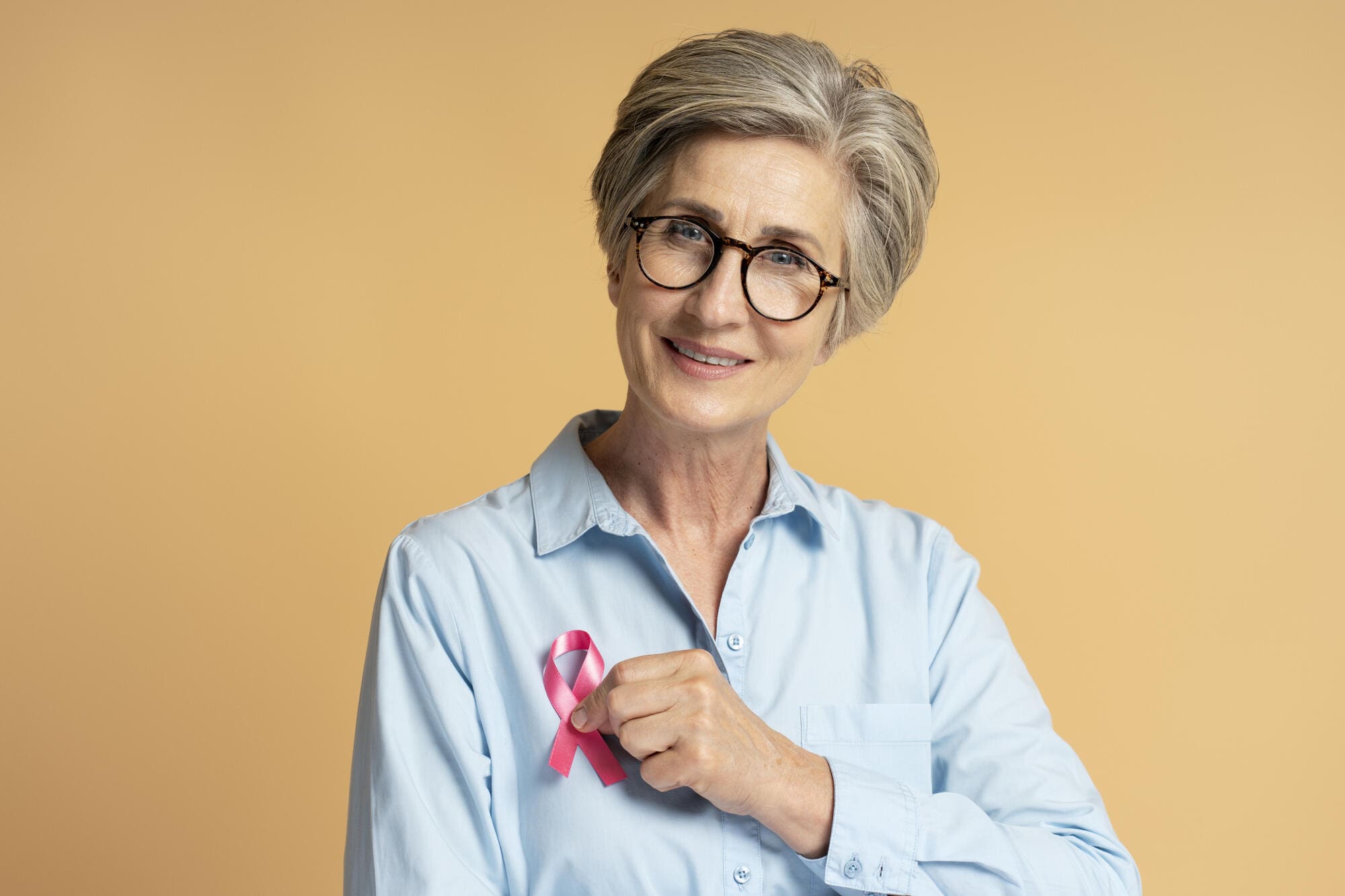
Breast cancer is one of the most common cancers in older women. The risk increases with age, especially after menopause. Although screening and treatments have improved over the years, preventing breast cancer before it starts is the best way to protect long-term health.
Primary prevention focuses on healthy habits, safe medical choices, and regular checkups. Here are some of the most effective ways older adults can lower their risk. Read on.
Keep a Healthy Weight and Stay Active
Being overweight after menopause can raise the risk of breast cancer because fat tissue produces extra estrogen, a hormone linked to certain types of breast cancer. Staying at a healthy weight helps keep hormone levels balanced. Regular exercise can make a big difference, such as:
- walking
- dancing
- swimming
- light strength training
The American Cancer Society suggests at least 150 minutes of moderate activity each week. Even small amounts of daily movement can help control weight, boost mood, and support a strong immune system. Visit one of the top facilities to learn more information, especially for senior women’s breast health.
Eat a Balanced Diet and Limit Alcohol
Good nutrition is another key part of prevention. Eating plenty of fruits, vegetables, whole grains, nuts, and lean proteins supports overall health and may reduce cancer risk. The Mediterranean-style diet, which focuses on olive oil, fish, and plant-based foods, is especially beneficial.
Limiting processed foods and saturated fats is also important. Alcohol can increase estrogen levels and raise breast cancer risk-even one drink a day can make a difference. Older adults should limit alcohol to one drink or less per day, or avoid it completely.
Be Careful with Hormone Therapy
Some women take hormone replacement therapy (HRT) to relieve menopause symptoms, but long-term use, especially when it includes both estrogen and progesterone, raises breast cancer risk. Women who are using or considering HRT should talk with their doctors about safer options. Non-hormonal treatments, like certain antidepressants or lifestyle changes, may offer relief without the added risk.
Ask About Risk-Reducing Medications
Women who have a higher risk of breast cancer due to family history or genetics may benefit from medications that help lower that risk. These include drugs like tamoxifen or aromatase inhibitors.
They can be helpful but may cause side effects, such as bone thinning or blood clots. It’s important for older women to discuss the pros and cons with their healthcare providers before starting these medications.
Avoid Smoking and Harmful Chemicals
Smoking increases inflammation and damage to the body’s cells, which may contribute to breast cancer. Quitting smoking at any age improves health and lowers cancer risk. Limiting contact with certain environmental chemicals can also be helpful, like those found in:
- pesticides
- plastics
- some beauty products
Stay Connected with Healthcare Providers
Regular medical visits allow doctors to review health changes, medications, and family history. This helps create a personalized prevention plan that fits an individual’s needs and overall health.
Get Tested Early
Preventing breast cancer in older adults starts with everyday choices-staying active, eating well, managing weight, and keeping in touch with healthcare providers. These simple but powerful steps can lower risk, improve quality of life, and support healthy aging.
If you want to read more articles, visit our blog.