

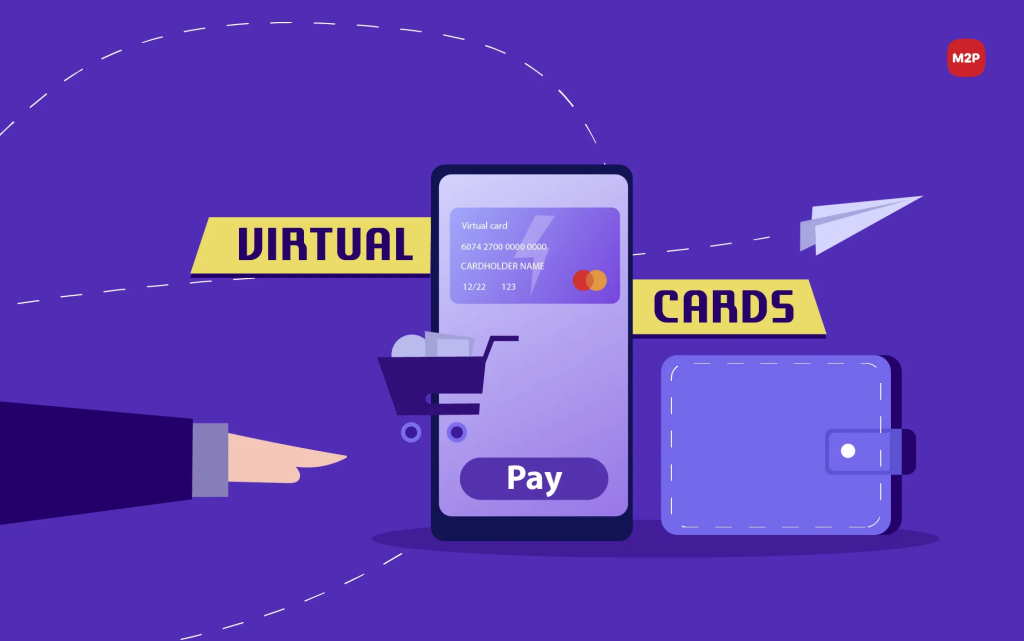
Access to online financial services has changed rapidly in recent years. Digital payments are now easier, faster, and more flexible for people who may not have access to traditional banking systems. With modern fintech access, users can apply for a virtual Mastercard through digital platforms and use it for shopping, subscriptions, and online transactions without opening a standard bank account.
This guide explains how fintech companies provide virtual payment solutions, how a virtual Mastercard works, and why digital financial tools are becoming an important option for users seeking secure and convenient payment methods.
Understanding How Virtual Mastercard Services Work
A virtual Mastercard is a digital payment card that functions similarly to a physical debit or credit card. Instead of receiving a plastic card immediately, users are provided with virtual card details that can be used for online purchases and digital transactions.
Most fintech platforms simplify the registration process by allowing users to create an account through a mobile application. In many cases, users can complete identity verification digitally and gain access to financial tools without visiting a bank branch.
Unlike traditional banking systems, fintech access focuses on convenience and accessibility. These platforms are designed to support users who may prefer mobile-first services or want faster approval processes.
A virtual Mastercard typically includes:
- A unique card number
- An expiration date
- A CVV security code
- Secure app-based account management
- Online payment functionality
Many fintech providers also integrate budgeting tools, transaction tracking, QR payment support, and digital wallets into their platforms.
Why Fintech Access Is Expanding Worldwide
Digital finance companies continue to grow because they address common problems associated with traditional banking. Users often look for quicker onboarding, lower entry barriers, and easier mobile payment solutions.
Fintech access allows people to participate in digital commerce even if they do not maintain a conventional bank account. This can be especially useful for freelancers, online shoppers, remote workers, students, and users in underserved financial regions.
The rise of digital payments is also connected to the increasing use of smartphones and e-commerce platforms. Consumers now expect instant account setup, mobile-friendly interfaces, and secure payment systems that work across multiple devices.
Fintech providers commonly focus on:
- Fast digital onboarding
- Flexible payment tools
- Secure mobile transactions
- Simplified verification systems
- User-friendly financial management apps
As financial technology evolves, virtual card services continue to become more accessible to a wider audience.
Steps to Get a Virtual Mastercard Through a Fintech Platform
Many fintech companies have streamlined the process of obtaining a virtual Mastercard. While requirements vary between providers, the general process remains relatively simple.
Create a Digital Account
- Download the fintech platform’s mobile app
- Register using your mobile number or email address
- Create secure login credentials
- Complete the required identity verification steps
Verify Your Identity
- Upload identification documents if required
- Confirm your phone number or email
- Complete facial verification when requested
- Review the platform’s security policies
Access Your Virtual Card
- Receive your virtual Mastercard details inside the app
- Activate the card through the platform dashboard
- Set spending limits or security controls
- Begin making digital payments online
These platforms are designed to reduce paperwork and provide faster approval compared to many traditional financial institutions.
Benefits of Using Digital Payments Without a Traditional Bank Account
One reason fintech services continue to attract users is their flexibility. Many people prefer digital solutions that allow them to manage spending directly from their smartphones.
A virtual Mastercard can support various online payment activities while reducing the need for physical banking infrastructure.
Convenience and Accessibility
- Account setup is usually completed online
- Mobile apps provide 24/7 access
- Users can manage payments remotely
- Online purchases become easier and faster
Better Spending Control
- Transaction history is available in real time
- Users can freeze or deactivate cards instantly
- Spending limits may be customized
- Notifications improve payment tracking
Improved Digital Security
- Virtual cards reduce exposure of physical card details
- Many platforms use encrypted payment systems
- Two-factor authentication adds extra protection
- Temporary or disposable card features may be available
These benefits make digital payments appealing for users who prioritize convenience and mobile accessibility.
Common Uses for a Virtual Mastercard
A virtual Mastercard can be used for a wide range of online transactions. Because it functions similarly to a regular payment card, it is accepted on many digital platforms worldwide.
Users commonly rely on virtual cards for:
Online Shopping and Services
- Purchasing products from e-commerce websites
- Paying for streaming subscriptions
- Booking travel accommodations
- Buying digital software or apps
Freelance and Remote Work Payments
- Managing business-related subscriptions
- Paying online advertising costs
- Handling freelance platform transactions
- Separating business and personal spending
Everyday Digital Transactions
- Food delivery payments
- Ride-hailing applications
- Gaming purchases
- Mobile wallet integration
As digital commerce continues to expand, virtual payment tools are becoming more practical for everyday financial activities.
Important Security Tips for Digital Payment Users
Although fintech platforms prioritize security, users should still follow safe digital payment practices. Protecting account information is essential when managing online financial services.
Some recommended security practices include:
- Use strong and unique passwords
- Enable two-factor authentication
- Avoid sharing card details publicly
- Monitor account activity regularly
- Use trusted internet connections for transactions
- Update mobile apps frequently
Users should also review platform policies related to transaction protection, customer support, and fraud reporting before registering.
How Fintech Platforms Support Financial Inclusion
One major advantage of fintech access is its ability to support individuals who may not qualify for traditional banking products. Some users face geographic limitations, lengthy approval procedures, or documentation barriers when applying for standard financial accounts.
Digital financial platforms help reduce these obstacles by offering simpler onboarding systems and mobile-based services.
This approach contributes to broader financial inclusion by helping more people participate in online commerce and digital transactions.
Fintech companies may support users through:
- Mobile-first financial tools
- Simplified account registration
- Lower entry requirements
- Faster digital verification
- Alternative payment solutions
As financial technology grows globally, more users are expected to adopt digital payment systems that offer flexibility and accessibility.
Factors to Consider Before Choosing a Fintech Provider
Not all fintech services operate the same way. Users should compare features carefully before selecting a platform that provides a virtual Mastercard.
Key considerations include:
- Security features and encryption standards
- Customer support availability
- Transaction fees and service charges
- Mobile app performance
- Supported payment networks
- Withdrawal or transfer options
Reading user reviews and reviewing official policies can help users understand how a platform operates before committing to a service.
It is also important to verify whether the provider follows local financial regulations and identity verification standards.
The Future of Digital Payments and Fintech Access
The digital finance industry continues to evolve as more consumers shift toward mobile transactions and online payment systems. Virtual cards, app-based financial services, and contactless transactions are becoming increasingly common across global markets.
Future developments may include:
- Advanced AI-powered fraud detection
- Faster international digital transfers
- Enhanced mobile wallet integration
- Improved financial management tools
- Expanded support for online merchants
The demand for flexible digital payment solutions is likely to continue growing as users seek alternatives to conventional banking systems.
Building Financial Flexibility Through Digital Payments
Fintech access has created new opportunities for users who want modern financial tools without relying entirely on traditional banking systems. A virtual Mastercard allows individuals to make secure online payments, manage spending digitally, and participate in e-commerce with greater convenience.
As digital payments become a larger part of everyday life, fintech platforms continue to provide accessible solutions for users seeking speed, flexibility, and mobile-first financial services. By understanding how these systems work and following safe payment practices, users can confidently explore virtual payment options that fit their personal and financial needs.