

Heart disease remains one of the leading causes of death worldwide, yet here’s the good news: it’s largely preventable. Studies show that up to 80% of heart disease cases can be prevented through lifestyle modifications and early intervention. Whether you’re concerned about your cardiovascular health or want to protect yourself for the future, this comprehensive guide will walk you through practical, evidence-based strategies to prevent heart disease and maintain optimal cardiac wellness.
Understanding Heart Disease: Why Prevention Matters
Before diving into prevention strategies, let’s understand what we’re fighting against. Heart disease encompasses several conditions affecting your heart and blood vessels, including coronary artery disease, heart failure, and arrhythmias. Atherosclerosis—the buildup of plaque in your arteries—is often the culprit, narrowing blood vessels and restricting blood flow to your heart.
The scary part? Many people don’t realize they’re at risk until they experience a heart attack or stroke. That’s why prevention is so critical. By addressing cardiovascular risk factors now, you’re investing in decades of heart health and quality of life.
Identify Your Risk Factors: Know Your Heart Health
The first step in heart disease prevention is understanding your personal risk profile. Some risk factors—like age, gender, and family history—are beyond your control. But many others? They’re completely within your power to manage.
Modifiable Risk Factors You Can Control
The good news is that most risk factors are modifiable. These include high blood pressure, elevated cholesterol, smoking, obesity, a sedentary lifestyle, poor diet, and chronic stress. By addressing even one or two of these factors, you can significantly reduce your cardiovascular disease risk.
Start by honestly assessing where you stand. Do you smoke? Is your weight above the healthy range? Have you had your blood pressure checked recently? Identifying your specific risk factors allows you to create a targeted prevention plan that actually works for your life.

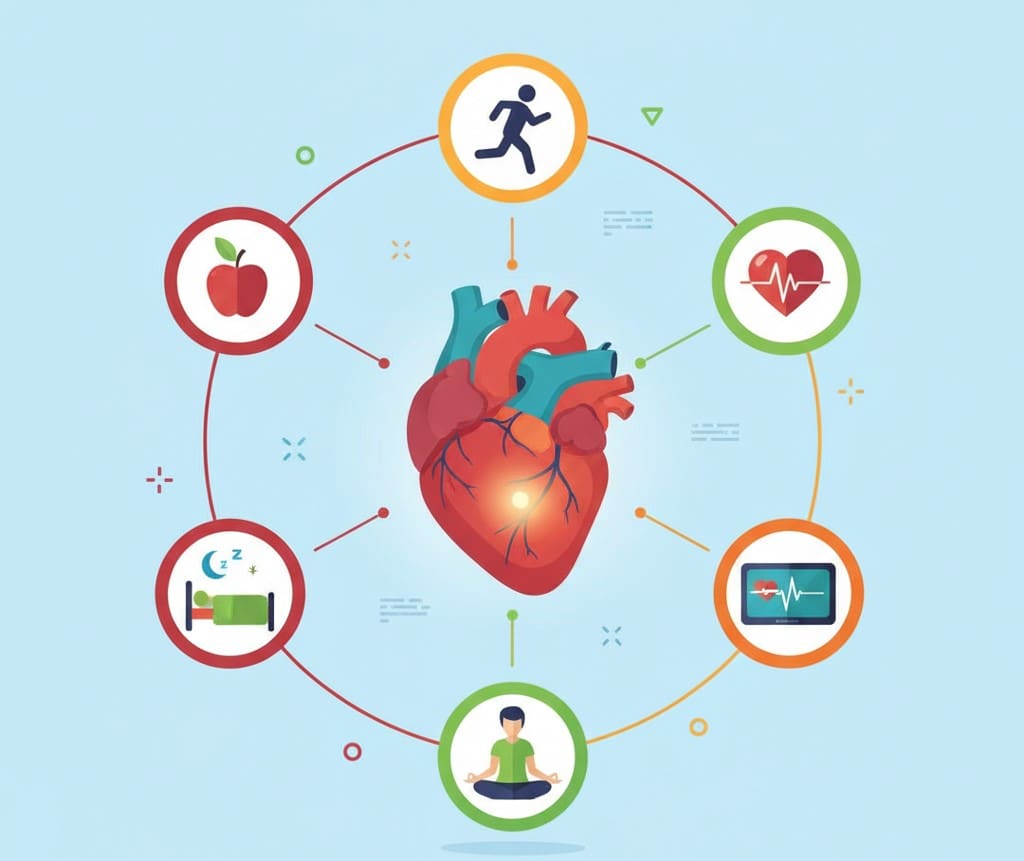
7 Essential Strategies to Prevent Heart Disease
Now, let’s get into the practical strategies that will transform your cardiovascular health. These evidence-based approaches have been proven to reduce heart attack and stroke risk significantly.
1. Adopt a Heart-Healthy Diet
What you eat directly impacts your heart health. The Mediterranean diet and DASH (Dietary Approaches to Stop Hypertension) diet have the strongest research backing for cardiac protection.
Focus on incorporating fatty fish rich in omega-3 fatty acids like salmon and mackerel, colorful berries packed with antioxidants, leafy greens abundant in vitamins and minerals, nuts and seeds for healthy fats, whole grains instead of refined carbohydrates, and legumes for fiber and plant-based protein.
Simultaneously, minimize processed meats, trans fats, excessive sodium (aim for less than 2,300 mg daily), and sugary beverages. These foods contribute to inflammation, high blood pressure, and weight gain—all major cardiovascular risk factors.
Practical tip: Use the “plate method”—fill half your plate with vegetables, one quarter with lean protein, and one quarter with whole grains. This simple visual guide ensures balanced, heart-healthy meals.
2. Maintain Regular Physical Activity and Exercise
Exercise is medicine for your heart. Aim for 150 minutes of moderate-intensity aerobic activity weekly—that’s just 30 minutes, five days a week. Moderate intensity means you can talk but not sing during the activity.
Mix in strength training at least twice weekly to build muscle, improve metabolism, and enhance overall cardiovascular function. The beauty? You don’t need expensive gym memberships. Walking, cycling, swimming, dancing, or jogging all count. Choose activities you actually enjoy—consistency matters more than perfection.
If you’re currently sedentary, start slowly. Even 10 minutes of daily activity provides benefits. Build gradually over weeks to reach your target. The key is making exercise a non-negotiable part of your routine, like brushing your teeth.
3. Manage Your Weight Effectively
Excess weight strains your heart and increases the risk of high blood pressure, diabetes, and high cholesterol. The good news? Even losing 5-10% of your body weight produces measurable improvements in cardiovascular health.
Weight management is fundamentally about balance: consuming fewer calories than you burn. But it’s not just calories—it’s about quality. Combine a heart-healthy diet with regular exercise and behavioral strategies. Consider portion control, mindful eating, keeping a food journal, and eliminating sugary drinks (which contribute massive hidden calories).
If you’re struggling with weight, don’t hesitate to consult a registered dietitian or your healthcare provider. Professional guidance can dramatically increase your success rate.
4. Quit Smoking and Avoid Secondhand Smoke
If you smoke, this is the single most impactful change you can make for your heart. Smoking damages blood vessel walls, promotes blood clots, and reduces oxygen in your blood—a triple threat to cardiovascular health.
The good news? Benefits begin almost immediately. Within 20 minutes of quitting, your heart rate drops. After one day, your risk of heart attack decreases. After one year, your cardiovascular disease risk is cut in half.
Multiple evidence-based cessation methods exist: nicotine replacement therapy, prescription medications like varenicline (Chantix), behavioral counseling, and support groups. Talk to your doctor about which approach fits your situation. Most people need multiple attempts—persistence pays off.
5. Manage Stress and Prioritize Mental Health
Chronic stress wreaks havoc on your heart. It elevates cortisol and adrenaline, increases blood pressure, promotes inflammation, and can trigger dangerous heart rhythms. Yet stress management is often overlooked in prevention conversations.
Practice relaxation techniques like meditation, deep breathing exercises, progressive muscle relaxation, or yoga. Even 10 minutes daily can significantly reduce stress levels. Cultivate strong social connections—loneliness and isolation are as harmful to your heart as smoking. Pursue hobbies that bring joy, maintain work-life balance, and don’t hesitate to seek professional mental health support if you’re struggling with anxiety or depression.
Remember: taking care of your mental health is taking care of your heart.
6. Get Quality Sleep and Manage Sleep Disorders
Your heart needs quality sleep to function optimally. Most adults need 7-9 hours nightly. During sleep, your heart rate and blood pressure naturally drop, giving your cardiovascular system essential recovery time.
Poor sleep or sleep disorders like sleep apnea significantly increase heart disease risk. If you snore loudly, wake gasping for air, or feel excessively tired despite sleeping, consult your doctor about sleep apnea screening.
Improve sleep hygiene by maintaining a consistent sleep schedule, creating a dark and cool bedroom, avoiding screens 30-60 minutes before bed, limiting caffeine after 2 PM, and avoiding large meals late in the evening. These simple changes can dramatically improve both sleep quality and cardiovascular health.
7. Control Blood Pressure and Cholesterol Levels
Two measurable factors profoundly impact your heart health: blood pressure and cholesterol. High blood pressure forces your heart to work harder, damaging blood vessels over time. Target blood pressure is less than 130/80 mm Hg.
Similarly, unhealthy cholesterol levels—particularly high LDL (“bad”) cholesterol and triglycerides, or low HDL (“good”) cholesterol—contribute to plaque buildup. A heart-healthy diet, regular exercise, weight management, and stress reduction help control both metrics.
Your doctor can determine if medications like statins or blood pressure pills are appropriate for you. Regular monitoring is essential—aim for blood pressure checks at least annually and cholesterol screening every 4-6 years (more frequently if elevated or if you have risk factors).
Creating Your Personal Prevention Plan
Knowing these strategies intellectually is one thing; implementing them is another. Start by selecting one or two changes you’ll prioritize. Attempting to overhaul your entire life simultaneously leads to burnout. Instead, use the SMART framework: make your goals Specific, Measurable, Achievable, Relevant, and Time-bound.
For example, instead of “I’ll exercise more,” try “I’ll walk 30 minutes, five days per week, starting this Monday.” This specificity makes follow-through much more likely.
Track your progress through regular health checkups, home blood pressure monitoring, fitness tracking, or simple journaling. Celebrate non-scale victories—increased energy, better sleep, improved mood—that often precede measurable physical changes.
Remember: consistency matters infinitely more than perfection. Missing one day doesn’t erase your progress; it’s the overall pattern that counts.
Frequently Asked Questions About Heart Disease Prevention
Q: Can heart disease be completely prevented?
While you cannot eliminate all risk, especially with genetic predisposition, adopting a healthy lifestyle can reduce your risk by up to 80%. Most cardiovascular disease is preventable through managing controllable risk factors like diet, exercise, stress management, and smoking cessation.
Q: What’s the single most important thing I can do?
Regular physical activity is among the most impactful strategies. Aim for 150 minutes of moderate-intensity exercise weekly, combined with a heart-healthy diet, stress management, quality sleep, healthy weight, and smoking avoidance. These strategies work synergistically for maximum benefit.
Q: How often should I get my heart checked?
Adults should have blood pressure checked at least every 2 years and cholesterol levels every 4-6 years (more frequently if elevated). If you have risk factors or family history, consult your doctor about a baseline cardiovascular assessment, particularly starting at age 40-45.
Q: Is it too late if I already have risk factors?
It’s never too late to reduce your risk. Even with diabetes, high blood pressure, or high cholesterol, lifestyle changes and appropriate medical treatment can prevent or significantly delay heart disease onset. Studies consistently show measurable benefits from making positive changes at any age.
Q: Can diet alone prevent heart disease?
While crucial, diet must be combined with regular exercise, stress management, adequate sleep, healthy weight maintenance, and smoking avoidance. Heart disease prevention requires a comprehensive, multi-faceted approach where all elements work together.
Your Heart Health Journey Starts Today
Heart disease is preventable. You have more control over your cardiovascular health than you might think. Whether you’re in your 20s establishing lifelong habits or in your 60s managing multiple health conditions, it’s never too early or too late to prioritize your heart.
Start today with one small change. Download a healthy recipe, take a 20-minute walk, schedule your preventive health checkup, or commit to a meditation practice. These seemingly small steps accumulate into powerful, life-changing results.
Your heart beats roughly 100,000 times daily, tirelessly supporting every moment of your life. It deserves your attention and care. By implementing these evidence-based prevention strategies, you’re not just preventing disease—you’re investing in vitality, longevity, and the vibrant health you deserve.
Ready to take action? Schedule an appointment with your healthcare provider today to discuss your personal heart disease prevention plan. Your future self will thank you.
