
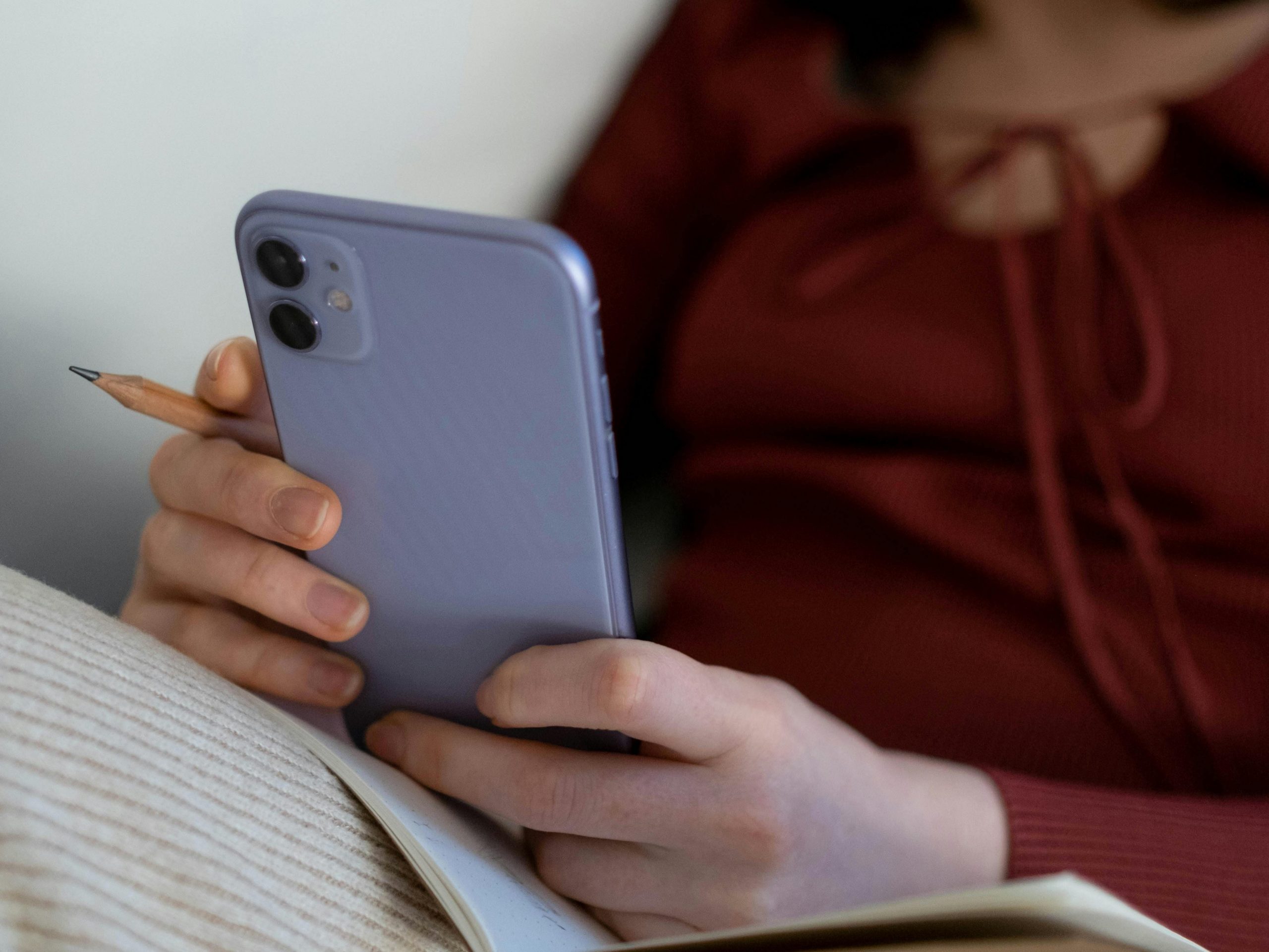
Electronics move fast. Every year, new mobile devices arrive with upgraded cameras, faster chips, and brighter screens. If you are holding onto an older device, you might be sitting on a decent amount of cash. Upgrading your tech does not have to drain your wallet if you know how to trade in your old hardware effectively.
Many people let their unused devices sit in a drawer, losing value every day. Selling your device quickly ensures you get the maximum returns before the next market drop. If you want to secure the highest payout for iphone sales, local options offer distinct advantages over online trade-ins.
The Economics of iPhone Resale Value
Smartphones retain retail value better than most other tech brands, but they still depreciate. Understanding what factors local shops look at will help you estimate your payout accurately.
1. Model and Generation
The age of your device is the biggest factor. Newer models command a premium because demand remains high. However, even devices that are two or three generations old hold stable secondary market value. Once a device stops receiving official software and security updates, its market value drops significantly.
2. Storage Capacity
Base models with lower storage (like 128GB) are the most common. If you paid extra for a 256GB, 512GB, or 1TB model when you bought the device, you will see a higher offer. Buyers pay more for extra storage space because it cannot be upgraded later.
3. Network Carrier Status
Devices that are completely unlocked—meaning they can work on T-Mobile, Verizon, AT&T, or any international network—fetch the highest prices. If your device is locked to a specific carrier, the buyer faces a smaller pool of future users, which can lower the offer.
4. Physical and Functional Condition
Buyers categorize devices into specific condition tiers:
- Flawless/Mint: No scratches on the screen or body, perfect battery health, and all original parts intact.
- Good: Minor signs of daily use, light scratches on the frame, but fully operational.
- Fair/Cracked: Visible scratches, minor dents, or a cracked back/front screen.
- Broken: Non-functional buttons, black spots on the LCD, or devices that will not turn on.
Local Buying vs. Online Trade-In Platforms
When it comes to parting with your old device, you have two primary routes: mailing it to a national distributor or selling it locally in Ocala.
Online Mail-In Programs
Many national online platforms offer quick automated quotes. However, these programs come with major downsides:
- Shipping Delays: You have to order a box, pack the device, mail it out, and wait days for inspection.
- Deduction Risks: Online companies frequently downgrade the condition rating once they receive the device, offering you less than the initial quote.
- Payment Lag: You often wait a week or more for a bank transfer or a store gift card.
Local Walk-In Buyers
Choosing a local dealer like Ocala Phone Buyer eliminates these risks entirely.
Local face-to-face evaluations happen right in front of you. You get a firm offer within minutes, and you leave with cash in hand. There are no shipping labels to print, no boxes to pack, and no surprise deductions.
Common Challenges When Selling a Used Phone
Selling a smartphone can run into roadblocks if you are unprepared. Knowing these challenges helps you avoid common mistakes.
Activation Locks and iCloud Accounts
A buyer cannot purchase a device that is locked to an active iCloud account. If Find My iPhone is still turned on, the device is essentially a paperweight to anyone else. You must know your Apple ID credentials to remove this lock before a transaction can conclude.
Financial Commitments and Carrier Blocks
If you bought your device on an installment plan through your carrier, you must ensure the balance is settled. Devices with unpaid balances or active contract attachments are flagged by networks. Local buyers check databases to confirm the device has a clean electronic serial number (ESN).
Data Privacy Concerns
Leaving your personal photos, emails, bank apps, and text messages on a device puts your privacy at risk. Many sellers worry about where their personal info ends up. A proper factory reset is mandatory to keep your personal life secure.
How to Prepare Your iPhone for the Highest Payout
To get the most money for your device, do some basic prep work before walking into a shop. Taking these steps protects your data and speeds up the inspection process.
Step 1: Back Up Your Data
Connect to Wi-Fi, go to your settings, tap your name, and select iCloud Backup. Click “Back Up Now.” This ensures all your contacts, photos, and settings transfer to your next device without losing a single file.
Step 2: Unpair Connected Accessories
If you own an Apple Watch or wireless earbuds, unpair them from your device. This unlinks the secure connections and prevents syncing errors on your other gadgets.
Step 3: Sign Out of iCloud and App Store
Go to Settings, tap your profile name at the top, scroll down to the bottom, and click “Sign Out.” You will need to enter your Apple ID password to turn off the activation lock. This steps releases the device hardware from your personal identity.
Step 4: Perform a Full Factory Reset
Once signed out, go to Settings > General > Transfer or Reset iPhone > Erase All Content and Settings. This wipes the storage clean, returning the operating system to its factory default state.
[Settings] -> [General] -> [Transfer or Reset] -> [Erase All Content and Settings]
Step 5: Clean the Physical Device
First impressions matter. Remove your protective case and wipe away dirt, fingerprints, and oils using a microfiber cloth. Clean the charging port gently with a wooden toothpick to remove pocket lint. A clean device shows the buyer that you took care of your investment.
Step 6: Gather Original Accessories
If you still have the retail box, the original charging cable, or the wall adapter, bring them along. Having the original packaging increases the appeal of the device, allowing local shops to offer you a higher premium.
Emerging Trends in the Used Smartphone Market
The secondhand electronics market is shifting due to economic factors and changes in manufacturing.
Longer Device Lifespans
Apple now builds hardware that lasts for years. Older models handle modern apps effortlessly because mobile processors have hit a performance plateau. This longevity keeps secondary market demand high, keeping resale prices stable for consumers looking to sell.
The Rise of Circular Commerce
Consumers are focusing more on sustainability. Buying pre-owned electronics reduces electronic waste and keeps toxic materials out of landfills. Selling your old device contributes to this circular economy, extending the lifecycle of working technology.
E-SIM Adoption
Newer domestic models rely entirely on digital e-SIM profiles instead of physical plastic SIM cards. This change alters how buyers verify network status. Buyers now check the digital IMEI settings directly rather than popping out a physical card tray, making the diagnostic verification faster.
Final Thoughts
Your old smartphone loses a small fraction of its cash value with every passing week. Instead of letting old electronics sit unused, turning them into immediate cash is a practical financial choice.
By taking the time to back up your data, clean the exterior, and clear out activation locks, you place yourself in the best position to secure top dollar. Local transactions remove the guesswork, shipping delays, and hidden fees that plague online trade-in platforms.
