
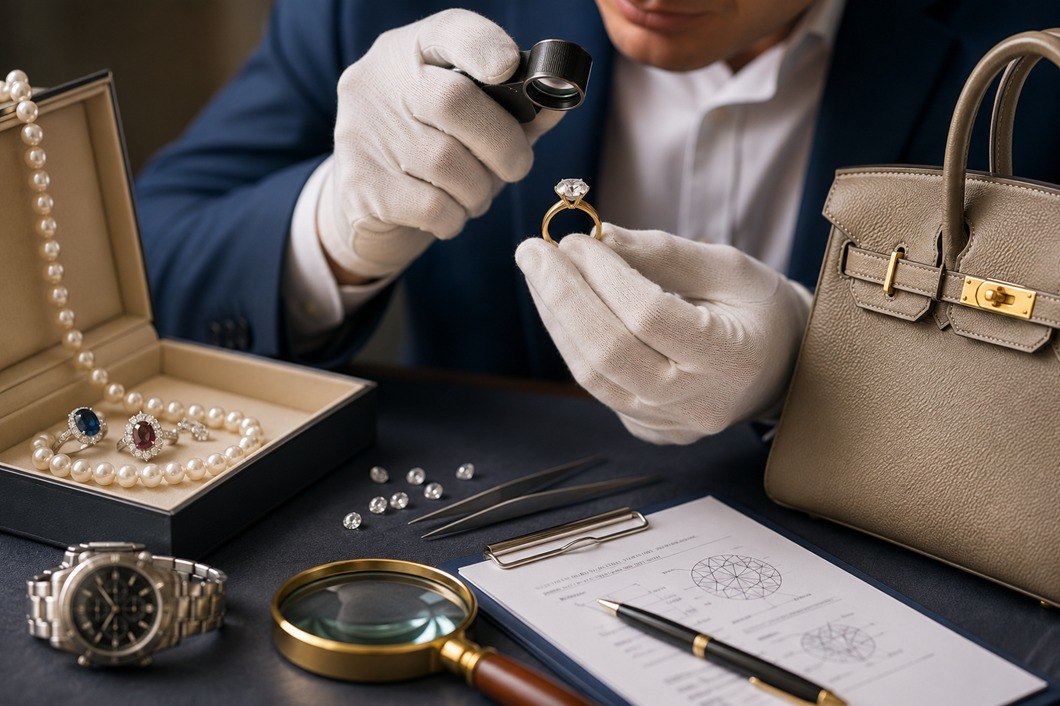
Luxury assets like fine jewellery, premium watches, and designer handbags can hold both financial weight and some kind of personal, sentimental meaning. Whether you’re guarding a family heirloom, getting insurance coverage ready, handling an estate, or thinking about reselling later, it helps a lot to get a professional valuation first. A competent valuer leans on industry know-how, recent market data, and a careful examination process so they can work out what an item is actually worth right now.
In this guide, you’ll see how specialists estimate the value of precious pieces and why services such as jewellery valuation and other prestigious matters are so important for protecting what you own.
How Experts Assess Fine Jewellery?
Experts’ jewellery valuation usually begins with a detailed physical look over, like really checking everything, not just glancing. Valuers take their time and properly have a go at studying each part, because authenticity and quality don’t always shout out loud, and condition can be a little tricky sometimes.
In general, they’ll weigh up a few key areas, such as:
- Metal type and purity, like gold, platinum, or silver
- Gemstone quality, meaning colour, clarity, cut, and carat weight
- Craftsmanship and design work
- Brand or specific designer
- Age and rarity, including how hard it is to find similar examples
- Overall condition plus any repairs done in the past
They depend on specialised equipment, so the metal can be inspected more closely without damaging the jewellery. Paperwork can support the picture as well, such as purchase receipts or gemstone certificates that actually match the item.
Why Market Research Matters?
A valuation is not just about what the piece looks like under inspection. Experts also line it up against current market data, auction outcomes, and retail prices.
For instance, vintage items, limited-edition jewellery, and designer lines might rise in value because demand goes up. But at the same time, market trends shift, so certain styles or materials can lose appeal, and that affects value.
By combining the hands-on technical check with market analysis, jewellery valuations end up closer to realistic numbers and also up-to-date.
What Is a Probate Jewellery Valuation?
A probate jewellery valuation is a specialised valuation put together when jewellery is included in a deceased person’s estate. Executors, solicitors, and beneficiaries often need the document to sort out the fair market value of the items for estate administration, plus legal requirements.
Unlike an insurance valuation, a probate jewellery valuation usually aims to show the jewellery’s market value at a particular date. It helps keep things clear and reasonable during the distribution process and avoids misunderstandings.
And since probate cases can carry legal and financial responsibilities, the valuation has to be accurate and also impartial – no rushing, no guesswork.
How Experts Carry Out a Watch Valuation?
Luxury timepieces are now very collectible assets, so a professional watch valuation is getting more and more important.
Specialists usually look at a whole bunch of things at once, including:
- Manufacturer and model
- Age and the production year
- Serial number plus reference numbers
- Whether it’s mechanical or quartz
- Original parts and components
- Service history, meaning maintenance records
- General state and overall condition
- Whether the original box and paperwork are included
- Real-time collector interest in the market
Also, reputable watchmakers sometimes release limited editions that can fetch really strong numbers on the secondary market.
Understanding Handbag Valuations
Designer handbags are now widely seen as collectible luxury assets, and certain models can rise in value as time goes on. A professional handbag valuation tries to confirm authenticity, measure rarity, gauge condition, and then weigh up market demand before putting a price on it.
In that work, experts normally check:
- Brand and model
- Material quality
- Hardware condition, clasps and zippers included
- Stitching, plus the overall craftsmanship
- Any obvious signs of wear
- Whether it is a limited-edition piece
- Original packaging and authenticity cards
Luxury handbags that stay in great shape and still include complete accessories often sell for more than similar bags that are heavily used.
Factors That Influence Every Valuation
Even though each asset comes with its own twists, there are still a few basic ideas that show up in almost every professional valuation process.
Most experts end up looking at things like the following:
- Authenticity
- Provenance or ownership record
- Rarity
- Brand reputation
- Current market appetite
- Overall condition
- Completeness of the paperwork
- Historical significance
Together, these elements help valuers write reports that line up with real market conditions, not just guessed numbers or sentimental hopes.
When Should You Arrange a Valuation?
A proper valuation can be pretty handy in a range of cases, for example:
- Purchasing insurance
- Revising insurance coverage
- Estate planning
- Probate administration
- Splitting family assets
- Selling luxury items
- Using an asset as loan backing
- Personal asset tracking
Also, many valuation professionals suggest renewing jewellery valuations every couple of years, especially when precious metal prices shift or when gemstone markets move in a noticeable way.
Why Professional Valuations Really Matter?
A lot of people think the purchase price of a luxury item automatically matches what it’s worth right now. Yet market conditions, how scarce the piece really is, craftsmanship, brand reputation, and even its present condition can shift the value quite a bit.
Professional jewellery valuations offer an impartial appraisal that helps with insurance claims, estate planning, resale purposes, family settlements, or even personal records.
Frequently Asked Questions
What is jewellery valuation?
A jewellery valuation is basically a professional assessment of jewellery by looking at things like materials, gemstones, workmanship, condition, and the latest market info.
How often should jewellery valuations be updated?
Most specialists say it’s wise to revisit jewellery valuation every two to five years, or sooner if there are big market shifts.
When is a probate jewellery valuation required?
A probate jewellery valuation is typically needed when the jewellery is part of someone’s estate after they pass away, so the value has to be confirmed for legal steps and estate administration.
What affects a watch valuation?
A watch valuation takes into account the brand, model, rarity, condition, whether it’s been serviced, its authenticity, and the current appetite in the market. Original paperwork and extra accessories can also lift the final price.
Why are handbag valuations becoming more popular?
Professional handbag valuations are getting attention because high-end designer handbags are increasingly treated like collectible pieces, with decent resale results and real investment potential.
Final Thoughts
Luxury jewellery, premium watches, and designer handbags are more than valuable items. They represent personal milestones, a slice of family history, and long-term investments. Getting a professional watch valuation is a huge help if luxury timepieces are your collectibles. Whereas a handbag valuation is essential for your designer bag. These valuations are helpful because it makes sure these things get properly recorded and stay protected as time moves on.
In a similar way, a probate jewellery valuation offers an impartial evaluation that supports fair estate administration, and it can also help with legal compliance. When owners take the time to understand the way experts decide on value, and when they choose the right, properly qualified valuation professionals, better decisions can be made.