

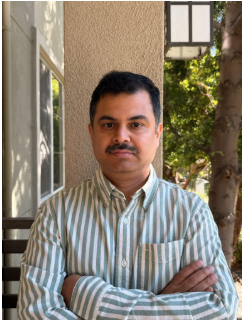
International trade operates in a fast-paced, high-volume environment that demands precision and confidence. Every second, millions of cross-border digital transactions are executed, settling in real time to facilitate everything from everyday shopping to intricate financial operations. Beneath this seamless surface, however, there is a complex network where even minor disruptions can lead to significant regulatory, reputational, or financial repercussions. The challenge for engineers working on payment infrastructures is twofold: to innovate performance capabilities while maintaining robust security, reliability, and availability. Anath Bandhu Chatterjee has dedicated over 17 years to developing the foundational infrastructure that supports trillions of dollars in daily transactions. His professional journey commenced at a prominent global financial institution, where he undertook the ambitious task of rearchitecting the core Global Funds Control system.
Rather than simply patching outdated code, he transitioned from legacy monolithic systems to cloud-native microservices, deployed across hybrid environments. This new architecture successfully managed approximately 250 transactions per second with an end-to-end latency target of around 500 milliseconds and nearly zero downtime, considerably mitigating systemic risk in a platform where even brief outages can have severe ramifications. At PayPal, the expert significantly enhanced his influence within digital payment ecosystems. He was instrumental in creating the Financial Reference Data service, which established itself as the definitive source for real-time payment decisions, achieving a 20ms p95 and 30ms p99 latency at about 200 transactions per second. This data infrastructure subsequently powered some of PayPal’s busiest APIs, processing over 200 million daily requests from partners and subsidiaries. Additionally, Anath played a key role in a high-profile Crypto Platform initiative, recognized by PayPal leadership, where he developed an Auth-Capture-Void model. This innovation enabled
cryptocurrency transactions through existing infrastructures, allowing hundreds of millions of users to buy, hold, and sell digital assets seamlessly without navigating separate wallets or complex blockchain processes. Beyond these technical achievements, the strategist has consistently connected traditional payment systems with emerging digital opportunities. He integrated core payment APIs with international remittance systems through specific microservices, reducing friction and enhancing success rates for users sending money abroad. Currently, as part of a Consumer Personalization Platform, he contributes to a system that processes over two billion requests daily, delivering customized, secure experiences for customers utilizing various payment brands globally. Throughout his career, he has emphasized that payment systems are not solely about speed; they also embody trust. He believes that the core engineering challenge lies in ensuring that every transaction is consistent, auditable, and recoverable, especially under system stress. This perspective has informed both his technical decisions and the design philosophy he promotes within his teams. His conceptual work includes a paper discussing hybrid distributed-ledger architectures for cross-border payments, examining how blockchain technology can complement traditional settlement systems rather than supplant them. Looking to the future, the innovator envisions that secure, real-time global commerce will increasingly depend on streaming-first infrastructures, enhanced AI-driven risk and fraud controls, and more interoperable payment rails, whether they are rooted in blockchain, cloud-native stacks, or a combination of both. As customer demands for instant settlements and seamless experiences rise, the supporting systems must evolve from being reactive and batch-oriented to anticipatory and continually operational. In this environment, engineers like Anath serve not as conspicuous figures but as steady architects, establishing the resilient foundations that enable real-time transactions, trust, and trade on a global scale.