

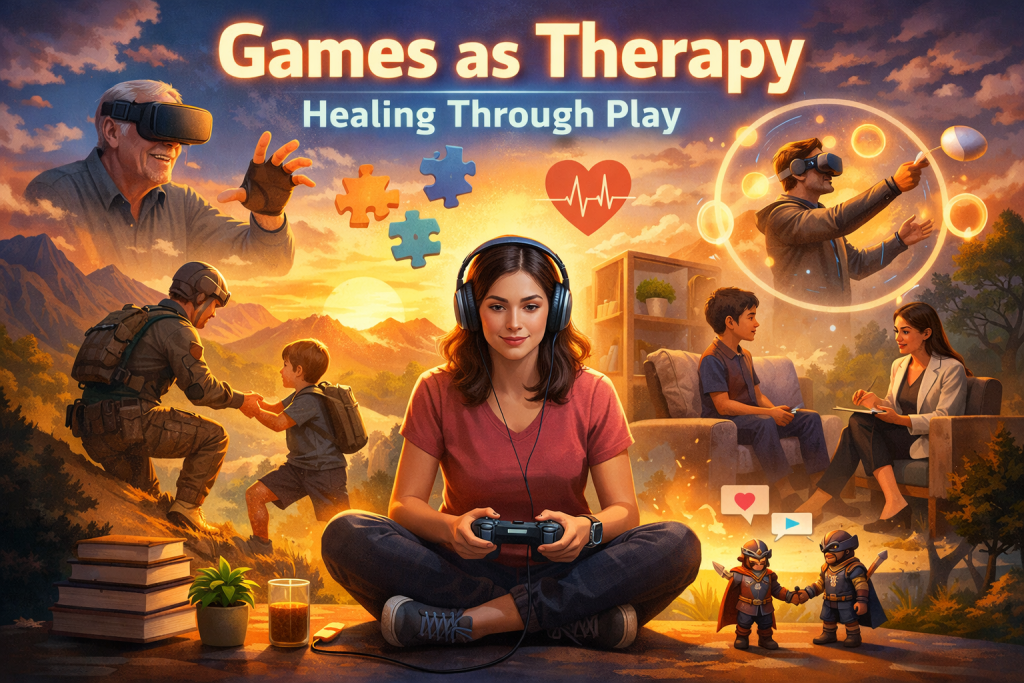
Understanding the Healing Power of Play
For many years, play was seen as something reserved for children, a simple way to pass time and have fun. Today, that perception is changing. Researchers, psychologists, and health professionals are beginning to recognize the deeper value of play, especially when it comes to mental and emotional well-being. What once seemed like pure entertainment is now being explored as a meaningful tool for healing.
The concept of using games as therapy is rooted in the idea that interactive experiences can influence how people think, feel, and respond to challenges. Whether digital or physical, games create safe environments where individuals can explore emotions, solve problems, and regain a sense of control. This makes them particularly effective for those dealing with stress, anxiety, trauma, or even physical rehabilitation.
Unlike traditional forms of therapy, play-based approaches often feel less intimidating. They invite participation rather than demand it, which helps individuals open up naturally. This shift in approach is one of the key reasons why therapeutic play is gaining attention across different age groups.
How Games Support Mental Health
Mental health challenges are becoming more common, and people are constantly searching for ways to cope that feel accessible and engaging. This is where games can make a significant impact. They offer a structured yet flexible environment where users can interact at their own pace.
One of the biggest advantages is the ability to create immersion. When someone is fully engaged in a game, their mind temporarily shifts away from stressors. This break, even if short, allows the brain to reset. Over time, repeated exposure to such experiences can improve emotional regulation.
Games also encourage:
- Problem-solving skills, which help individuals feel more capable
- Emotional expression through storytelling and character interaction
- Stress reduction by providing a sense of achievement and progress
- Social connection when played with others
For individuals dealing with anxiety or depression, these small improvements can build into meaningful progress. The sense of accomplishment from completing tasks within a game can translate into real-world confidence.
The Science Behind Play-Based Therapy
The effectiveness of play in therapy is not just anecdotal. There is a growing body of research that supports its benefits. Neuroscientists have found that engaging in play activates areas of the brain responsible for memory, attention, and emotional processing.
When people play, their brains release dopamine, a chemical linked to pleasure and motivation. This creates a positive feedback loop where individuals feel encouraged to continue engaging with the activity. Over time, this can help rewire negative thought patterns.
In therapeutic settings, professionals often use structured play sessions to guide patients through specific challenges. For example, role-playing scenarios can help individuals practice social interactions. Puzzle-based activities can enhance cognitive skills and focus.
Digital games, in particular, have opened new possibilities. With advancements in technology, developers are creating experiences specifically designed to support mental health. These are not just entertaining but intentionally built to promote relaxation, mindfulness, and emotional growth.
Games in Treating Anxiety and Stress
Anxiety is one of the most common mental health issues today, and finding effective ways to manage it is essential. Games provide a unique way to address anxiety without overwhelming the individual.
Many calming games focus on repetitive, soothing activities. These include tasks like building, organizing, or exploring peaceful environments. Such activities help reduce overthinking by keeping the mind gently engaged.
Key benefits for anxiety management include:
- Lowering heart rate through calming visuals and sounds
- Encouraging focus on the present moment
- Reducing intrusive thoughts by shifting attention
- Building resilience through gradual challenges
Stress, on the other hand, often comes from feeling out of control. Games counter this by offering clear goals and predictable outcomes. Players know what they need to do and can see immediate results from their actions. This sense of control can be incredibly comforting.
Healing Trauma Through Interactive Experiences
Trauma can deeply affect how individuals perceive the world and interact with others. Traditional therapy methods are effective, but they may not always be easy for everyone to engage with. This is where therapeutic play becomes valuable.
Games allow individuals to process experiences indirectly. Instead of confronting trauma head-on, they can explore similar emotions within a fictional setting. This creates a buffer that makes it easier to engage without feeling overwhelmed.
Some therapeutic approaches use storytelling-based games where players make choices that influence outcomes. These experiences help individuals understand cause and effect, rebuild trust, and regain a sense of agency.
In guided settings, therapists may use games to:
- Encourage communication in a non-threatening way
- Help individuals express emotions they struggle to verbalize
- Rebuild confidence through small achievements
- Foster a sense of safety and control
This approach is especially effective for children and teenagers, who may find it difficult to articulate their feelings directly.
Physical Rehabilitation and Motor Skills Development
The benefits of games extend beyond mental health. They are also being used in physical rehabilitation programs. Interactive systems that require movement can help patients recover motor skills after injuries or surgeries.
For example, motion-based games encourage players to perform specific physical actions. These movements are often disguised as fun activities, making the process less tedious. Patients are more likely to stay consistent with their exercises when they feel engaged.
In rehabilitation settings, games can help with:
- Improving coordination and balance
- Enhancing muscle strength through repeated movements
- Increasing motivation to complete therapy sessions
- Tracking progress in a measurable way
This combination of physical activity and enjoyment creates a more positive recovery experience. Patients often report feeling more motivated compared to traditional exercise routines.
Social Connection and Emotional Support
Human connection plays a crucial role in healing, and games offer a powerful platform for social interaction. Multiplayer experiences allow individuals to connect with others, even if they are physically distant.
For those who feel isolated, online games can provide a sense of belonging. Players collaborate, communicate, and share achievements. These interactions can reduce feelings of loneliness and improve overall well-being.
Social benefits include:
- Building friendships through shared experiences
- Developing communication and teamwork skills
- Providing emotional support in community settings
- Encouraging positive interaction in a structured environment
Even single-player experiences can foster connection through storytelling. Players often relate to characters and narratives, which helps them process their own emotions.
The Role of Design in Therapeutic Games
Not all games are created with therapy in mind. The design plays a critical role in determining whether a game can be beneficial for healing purposes. Developers who focus on therapeutic outcomes pay attention to elements such as pacing, visuals, and user experience.
Calming color schemes, gentle soundtracks, and intuitive controls are often used to create a relaxing environment. The goal is to reduce frustration and encourage a smooth, enjoyable experience.
Key design features of therapeutic games include:
- Simple mechanics that are easy to understand
- Gradual progression to avoid overwhelming players
- Positive reinforcement to encourage continued engagement
- Customizable experiences to suit individual needs
These elements ensure that the experience remains supportive rather than stressful.
Balancing Entertainment and Therapy
While games have strong therapeutic potential, balance is essential. Excessive use can lead to dependency or avoidance of real-world responsibilities. This is why mindful engagement is important.
Therapeutic use of games should focus on quality rather than quantity. Short, meaningful sessions are often more effective than long hours of play. Guidance from professionals can also help individuals use games in a way that supports their overall well-being.
It is also important to choose the right type of game. Not every game is suitable for therapeutic purposes. Fast-paced or highly competitive experiences may increase stress for some individuals. On the other hand, calm and purposeful games tend to be more beneficial.
A New Path Toward Healing
The idea of using play as a form of healing is no longer unconventional. It is becoming a recognized approach that blends creativity, science, and human connection. As technology continues to evolve, the potential for games in therapeutic settings will only grow.
What makes this approach truly powerful is its accessibility. People from different backgrounds and age groups can benefit from it. Whether someone is dealing with stress, recovering from trauma, or working on physical rehabilitation, play offers a path that feels natural and engaging.
By embracing the healing potential of games, we open the door to a more inclusive and innovative way of supporting well-being. It is not just about escaping reality but about finding new ways to navigate it with strength, clarity, and resilience.