
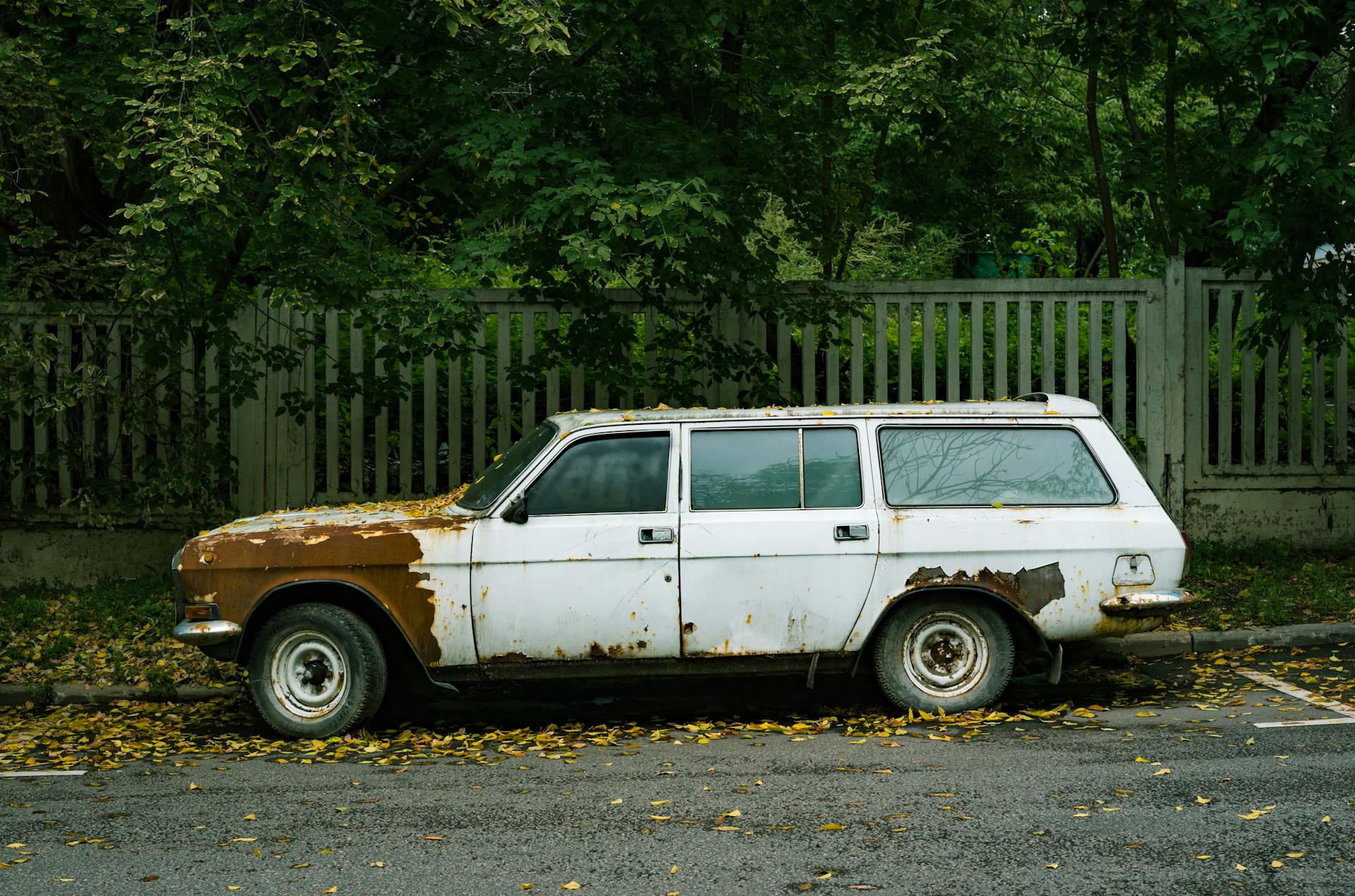
Most people do not plan to keep the same vehicle forever. Over time, changing lifestyles, rising repair costs, and reliability concerns often make older cars harder to justify financially and practically.
While some vehicles continue running for many years, there are certain situations where holding onto an aging or damaged car may create more stress than value.
The Car Spends More Time Parked Than Driven
One common sign that a vehicle may no longer fit your needs is when it sits unused most of the time.
Some cars remain parked because of:
- Frequent breakdowns
- Expired registration
- Poor fuel economy
- Unfinished repairs
- Reliability concerns
A vehicle that rarely leaves the driveway may continue creating expenses involving maintenance, insurance, or storage space.
For many owners, keeping an unused car eventually becomes more inconvenient than helpful.
Constant Repairs Start Interrupting Daily Life
Older vehicles often develop problems gradually rather than all at once.
Drivers may begin dealing with:
- Repeated mechanic visits
- Unexpected warning lights
- Battery problems
- Fluid leaks
- Starting issues
Even when each repair seems manageable individually, repeated maintenance appointments can become frustrating and time-consuming.
At some point, many owners begin wanting a more dependable solution for daily transportation.
The Vehicle No Longer Feels Safe or Comfortable
Aging vehicles may slowly lose the comfort and confidence they once provided.
Drivers sometimes notice:
- Excessive vibrations
- Weak air conditioning
- Poor suspension performance
- Loud engine or exhaust noise
- Water leaks inside the cabin
Long drives may become less enjoyable, especially when the vehicle constantly feels one repair away from another problem.
Safety concerns also become more important as older cars age and parts continue to wear down.
Parking and Storage Become Frustrating
Unused vehicles often create practical space problems.
An old car may occupy:
- Garage space
- Driveway parking
- Business property areas
- Residential street parking
For households with multiple vehicles, an inoperable car may simply become an obstacle taking up valuable room that could serve other purposes.
Fuel and Operating Costs Keep Increasing
As vehicles age, fuel efficiency often declines because of wear involving:
- Engines
- Transmissions
- Sensors
- Exhaust systems
- Tires and alignment
Drivers may notice spending more money on:
- Gasoline
- Fluids
- Tires
- Routine maintenance
When operating costs continue rising alongside repair bills, keeping the vehicle may stop making financial sense.
Rust and Cosmetic Damage Continue Getting Worse
Many older vehicles eventually develop visible cosmetic deterioration, such as:
- Peeling paint
- Rust spots
- Cracked trim
- Interior fading
- Headliner sagging
While cosmetic problems may not immediately affect drivability, they often reduce overall vehicle value and make repairs harder to justify emotionally and financially.
Severe rust may eventually begin affecting structural areas as well.
Selling Privately May Feel Like Too Much Work
Selling an older or damaged car privately can be difficult and time-consuming.
Owners often deal with:
- Low offers
- Unreliable buyers
- Long negotiations
- Repeated listings
- Questions about repairs
For vehicles with high mileage or mechanical issues, finding serious buyers may take far longer than expected.
Some owners simply prefer avoiding the hassle altogether.
Major Repairs Begin Appearing at the Same Time
One large repair bill is difficult enough. The bigger challenge often comes when several repairs appear within a short period.
An aging vehicle may suddenly need:
- Suspension work
- Brake repairs
- Electrical diagnosis
- Transmission service
- Cooling system replacement
When multiple systems begin failing together, repair costs can quickly exceed what many owners feel comfortable investing further.
Life Changes Sometimes Make the Vehicle Unnecessary
In some situations, the vehicle itself may simply no longer fit the owner’s lifestyle.
This commonly happens after:
- Moving to a city
- Working remotely
- Upgrading to a newer vehicle
- Downsizing household expenses
- Reducing transportation needs
An extra unused car may eventually become more of a burden than a convenience.
Some Owners Prefer a Simpler Way to Move On
When a vehicle becomes unreliable, expensive, or unnecessary, many people start looking for the easiest path forward.
This is one reason some drivers eventually consider services such as Cash For Junk Cars when they want a practical way to remove an aging, damaged, or unwanted vehicle without continuing to invest time and money into repairs or storage.
Preparing Before Removing an Old Vehicle
Before letting a vehicle go, owners should still take a few important steps.
Helpful preparation may include:
- Removing personal items
- Collecting ownership documents
- Taking off license plates if required
- Canceling insurance coverage
- Checking local transfer regulations
Simple preparation often helps avoid future complications and makes the process smoother overall.
Final Thoughts
There are many everyday situations where keeping an aging vehicle may no longer feel practical. Whether the problem involves reliability, repair costs, storage space, or changing lifestyle needs, understanding when a car has become more stressful than useful can help owners make smarter long-term decisions.