
You notice a thin line of brown mud on your living room wall. You wipe it away and forget about it. Two weeks later, your finger pushes straight through a wooden door frame that looked perfectly fine.
This happens to Singapore homeowners every day. Subterranean termites are silent destroyers. By the time most people realise they have a problem, thousands of dollars in damage is already done.
Here are 10 signs of subterranean termite infestations in Singapore that every homeowner should know.
1. Mud Tubes on Walls or Foundations
Termites build pencil-sized tunnels from soil and saliva to travel from their underground colony to your wood. Break one open. If it is repaired in a few days, termites are active.
2. Hollow-Sounding Wood
Tap your skirting boards or door frames. Healthy wood sounds solid. Termite-damaged wood sounds papery or hollow because they eat from the inside out.
3. Discarded Wings Near Windows
After rain, swarming termites shed their wings near light sources. Finding piles of tiny wings means a mature colony is nearby.
4. Bubbling or Peeling Paint
Termites produce moisture as they tunnel. This moisture gets trapped behind paint, causing bubbles or blisters with no water leak.
5. Termite Droppings (Frass)
Small ridged pellets that look like sand or sawdust. You might find them near mud tubes or infested wood.
6. Tight-Fitting Doors or Windows
As termites tunnel through frames, they introduce moisture that causes wood to warp. Doors that used to close easily suddenly stick.
7. Maze Patterns on Wood Surfaces
Wavy, map-like lines just beneath the surface of furniture or flooring indicate termite feeding galleries.
8. Clicking Sounds Inside Walls
Soldier termites bang their heads against tunnel walls to warn the colony. This faint clicking is often heard at night.
9. Visible Swarmers After Rain
Hundreds of winged termites suddenly appearing inside your home means a mature colony is established somewhere in your property.
10. Foundation Cracks Near Soil
Cracks in your foundation give termites a direct path from soil to wood. Inspect these areas for mud tubes.
What to Do Next
Do not disturb the area. Do not use DIY sprays—they kill less than 1% of the colony and scatter the rest. Instead, call a professional for a proper inspection.
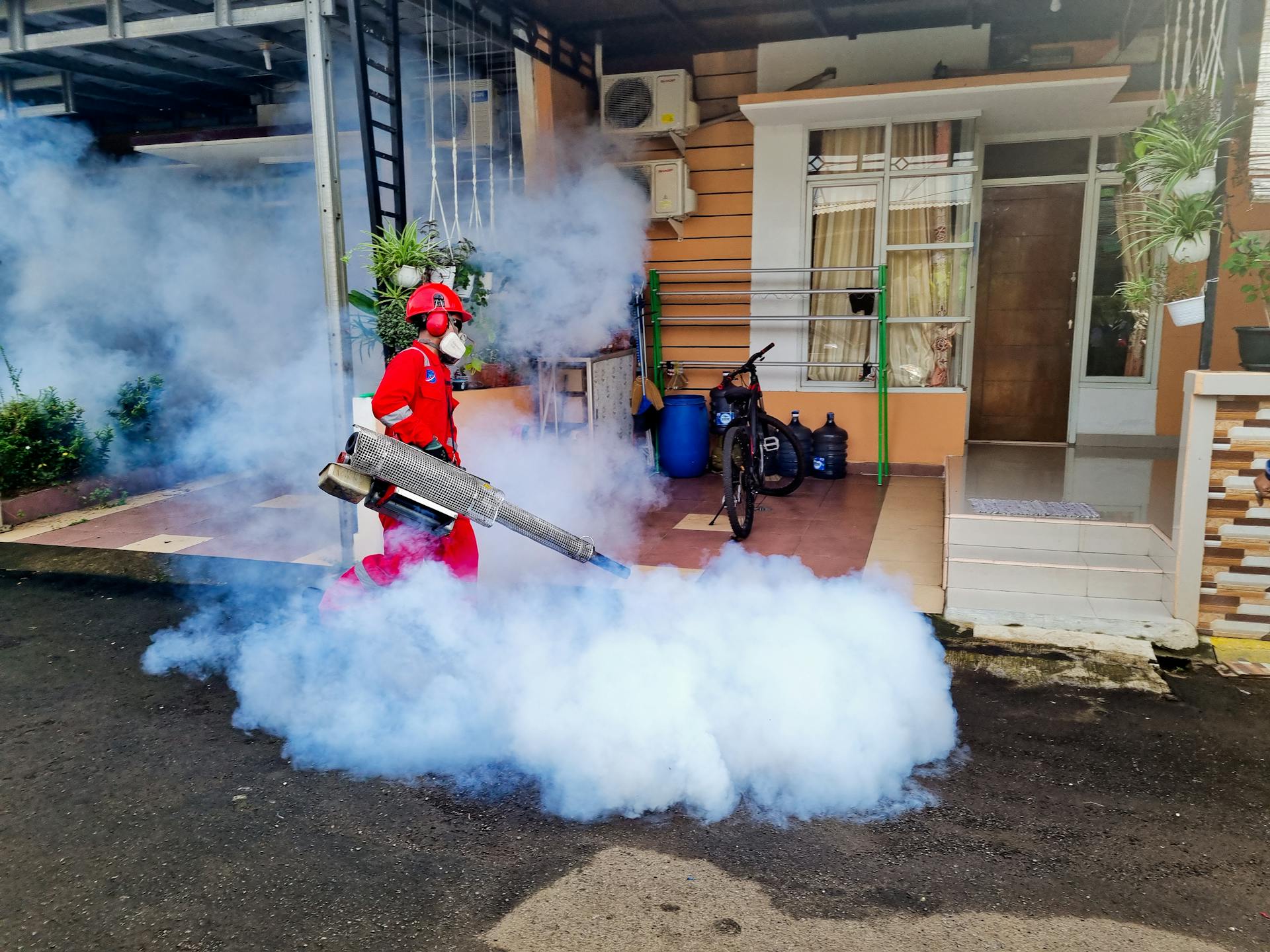
A trained technician with a termite detector can locate hidden colonies and recommend effective termite infestation treatment Singapore. Early detection saves thousands in structural repairs.
Prevention Tips
Schedule annual inspections. Reduce soil-to-wood contact around your home. Fix moisture issues like leaking pipes. For landed properties, consider ongoing termite treatment Singapore such as soil barriers or baiting systems.
Need Help?
If you have spotted any of these 10 signs, do not wait. A small investment today prevents a massive repair bill tomorrow. Contact Pestopia for professional termite treatment services today.