

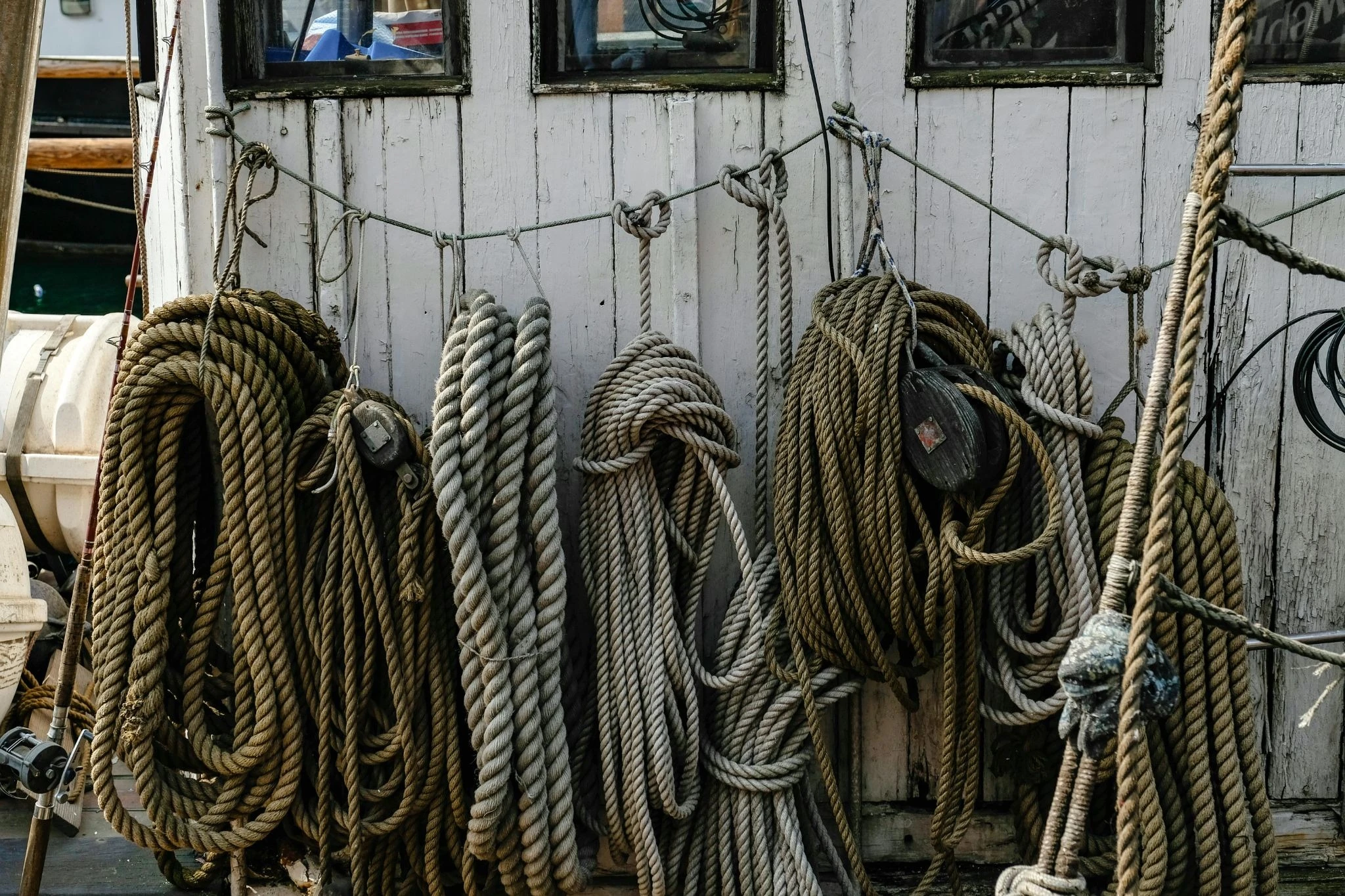
The world of sailing has evolved dramatically over the years, blending centuries-old traditions with cutting-edge technology. Today’s modern mariners navigate oceans with tools that previous generations could only imagine, yet they still rely on time-tested skills that define true seamanship. This balance between innovation and heritage creates a unique and dynamic sailing experience that continues to attract adventurers worldwide.
The Evolution of Modern Sailing
Sailing has always been a symbol of exploration and independence. While the core principles remain unchanged, the tools and techniques have advanced significantly.
From Sextants to Satellites
In the past, sailors relied on celestial navigation using sextants and star charts. Today, GPS systems provide precise location data in real time. This shift has made navigation more accessible and safer, especially for beginners.
Despite these advancements, many sailors still learn traditional navigation methods as a backup. Understanding how to read the stars or use a compass ensures that mariners can navigate even when technology fails.
Digital Charts and Smart Navigation
Electronic chart systems have replaced bulky paper maps on many vessels. These digital tools offer real-time updates, weather overlays, and route planning features. They allow sailors to make informed decisions quickly and efficiently.
Smart navigation systems can also integrate with onboard instruments, creating a seamless flow of information that enhances safety and performance.
The Role of Technology Onboard
Modern sailboats are equipped with a wide range of technological innovations that improve both safety and comfort.
Advanced Communication Systems
Staying connected at sea is now easier than ever. Satellite phones, onboard WiFi systems, and emergency beacons ensure that sailors can communicate with the outside world when needed. These tools are essential for long voyages and remote travel.
Communication technology also allows sailors to receive weather updates, helping them avoid storms and plan safer routes.
Automation and Smart Sailing
Automation has transformed many aspects of sailing. Autopilot systems can maintain a steady course, reducing the physical demands on the crew. Smart sensors monitor wind speed, sail position, and boat performance, allowing for precise adjustments.
These innovations make sailing more efficient and accessible, especially for solo sailors or small crews.
Preserving Traditional Seamanship
While technology plays a significant role, traditional sailing skills remain at the heart of the experience.
The Art of Reading the Sea
Experienced sailors can interpret subtle changes in the water, wind, and sky. These observations provide valuable insights that technology may not always capture. Reading the sea is an art that requires practice and intuition.
This skill is particularly important in situations where electronic systems may be unreliable or unavailable.
Hands On Sailing Techniques
Handling sails, tying knots, and understanding boat mechanics are essential skills for any mariner. These techniques connect sailors to the physical aspects of their vessel and the natural forces that drive it.
Learning these skills fosters confidence and independence, ensuring that sailors can handle a variety of परिस्थितations.
The Balance Between Comfort and Authenticity
Modern sailing offers a level of comfort that was once unimaginable, yet many sailors strive to maintain an authentic connection to the sea.
Luxury Meets Functionality
Today’s sailboats often include amenities such as climate control, modern kitchens, and advanced entertainment systems. These features make long journeys more comfortable and enjoyable.
At the same time, sailors must balance comfort with functionality. Every addition to a boat should serve a purpose and not compromise performance or safety.
Minimalism in a High Tech World
Despite the availability of advanced features, many mariners choose a minimalist approach. Focusing on essential tools and experiences allows them to stay connected to the core principles of sailing.
This balance between modern convenience and traditional simplicity defines the lifestyle of modern mariners.
Safety Innovations at Sea
Safety has always been a priority in sailing, and technology has significantly improved how risks are managed.
Real Time Weather Monitoring
Access to accurate weather data is crucial for safe sailing. Modern systems provide real-time updates, allowing sailors to anticipate and respond to changing conditions.
These tools reduce the likelihood of encountering dangerous परिस्थितations and help mariners make better decisions.
Emergency Preparedness
Emergency equipment has become more advanced and reliable. Personal locator beacons, life rafts, and automated distress signals enhance safety and increase the chances of rescue.
Being prepared for emergencies is a fundamental aspect of responsible sailing, combining both modern tools and traditional knowledge.
Sustainability and Innovation
As environmental concerns grow, modern mariners are embracing sustainable practices and technologies.
Renewable Energy Onboard
Solar panels and wind generators are becoming common on sailboats. These systems provide clean energy for onboard electronics, reducing reliance on fossil fuels.
Sustainable energy solutions align perfectly with the principles of sailing, which already harnesses the power of the wind.
Eco Friendly Materials and Practices
Boat manufacturers are exploring eco-friendly materials and construction methods. Sailors are also adopting practices such as reducing waste and protecting marine ecosystems.
This commitment to sustainability ensures that future generations can continue to enjoy the oceans.
The Importance of the Right Equipment
Having the right tools is essential for a successful sailing experience. Modern mariners carefully select gear that enhances both performance and safety.
Essential Tools for Every Sailor
From navigation devices to safety gear, every piece of equipment plays a vital role. High-quality tools can make the difference between a smooth journey and a challenging one.
Selecting reliable and durable equipment is a key part of preparation.
Enhancing the Experience with Accessories
In addition to essential tools, sailors often invest in Boat Accessories that improve comfort and convenience. These can include upgraded seating, storage solutions, and specialized lighting. While not always necessary, these additions can enhance the overall sailing experience and make life onboard more enjoyable.
Learning and Adapting in a Changing World
The world of sailing continues to evolve, and modern mariners must stay informed and adaptable.
Continuous Skill Development
Sailing requires ongoing learning. New technologies, changing regulations, and evolving best practices mean that sailors must continually update their knowledge and skills.
Training courses, certifications, and hands-on experience all contribute to becoming a proficient mariner.
Embracing Innovation Without Losing Tradition
The challenge for modern sailors is to embrace innovation while preserving the essence of traditional seamanship. Technology should enhance the experience, not replace the fundamental skills that define sailing.
By maintaining this balance, modern mariners can enjoy the best of both worlds.
The Modern Sailing Lifestyle
Sailing today is more than just a hobby. It is a lifestyle that combines adventure, technology, and a deep connection to nature.
A Community of Innovators and Traditionalists
The sailing community is diverse, bringing together people who value both innovation and tradition. This shared passion creates a supportive environment where knowledge and experiences are exchanged.
Exploring Without Boundaries
Modern mariners have the tools and knowledge to explore the world with confidence. Whether navigating coastal waters or embarking on long ocean voyages, the possibilities are endless.
This unique blend of technology and tradition continues to shape the future of sailing, inspiring a new generation of adventurers to take to the seas.