
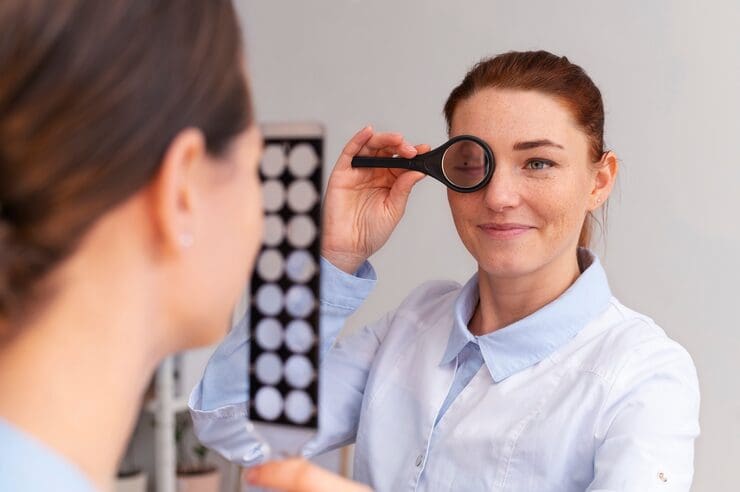
Understanding the conditions your optometrist near me can diagnose and manage helps you recognize when to schedule an appointment. Early detection often makes the difference between simple management and complex treatment.
Refractive Errors
Myopia (Short-sightedness): This increasingly common condition affects millions of South Africans, particularly children. Myopia occurs when the eye grows too long, causing distant objects to appear blurry while near vision remains clear. Your optometrist can prescribe glasses or contact lenses to correct myopia and may discuss myopia control strategies for children, including specialized contact lenses or atropine therapy that can slow progression.
Hyperopia (Long-sightedness): Hyperopia makes near objects appear blurry and can cause eye strain, headaches, and fatigue, especially during reading or computer work. While children often compensate for mild hyperopia through their natural focusing ability, adults typically require correction. Your local optometrist can determine the appropriate prescription strength and recommend the best correction method.
Astigmatism: This common condition results from an irregularly shaped cornea or lens, causing blurred or distorted vision at all distances. Many people with astigmatism also have myopia or hyperopia. Modern lens technology, including toric contact lenses, provides excellent correction for astigmatism.
Presbyopia: Around age 40, most people notice difficulty focusing on close objects, a natural aging process called presbyopia. Your optometrist can recommend various solutions including reading glasses, progressive lenses, bifocals, or multifocal contact lenses, depending on your lifestyle and visual needs.
Eye Diseases and Conditions
Glaucoma: This group of eye diseases damages the optic nerve, usually due to elevated eye pressure. Glaucoma is a leading cause of blindness in South Africa, but early detection through regular eye examinations allows for effective management. Your optometrist measures eye pressure, examines the optic nerve, and may perform visual field testing to detect glaucoma in its earliest stages.
Cataracts: Clouding of the eye’s natural lens, cataracts typically develop with age but can also result from injury, medication use, or other factors. While surgery is the only treatment for advanced cataracts, your optometrist monitors progression and advises when referral to an ophthalmologist is appropriate. In early stages, updating your prescription and managing glare can help maintain functional vision.
Diabetic Retinopathy: Diabetes can damage blood vessels in the retina, leading to vision loss. South Africa has a high diabetes prevalence, making regular eye examinations crucial for diabetic patients. Your optometrist uses specialized imaging to detect changes in retinal blood vessels before you notice symptoms, enabling timely intervention to preserve vision.
Dry Eye Syndrome: This increasingly common condition causes discomfort, redness, and sometimes blurry vision. Factors including screen time, air conditioning, and certain medications contribute to dry eye. Your optometrist can diagnose the underlying cause and recommend treatments ranging from artificial tears to prescription medications or in-office procedures.
Age-related Macular Degeneration (AMD): AMD affects central vision, making activities like reading and driving difficult. Regular examinations allow your optometrist to detect early signs through retinal imaging. While advanced AMD requires specialist care, your optometrist plays a crucial role in early detection and ongoing monitoring.
Pediatric Eye Conditions
Amblyopia (Lazy Eye): When one eye doesn’t develop normal vision during childhood, amblyopia results. Early detection through pediatric eye examinations is critical, as treatment is most effective before age seven. Your optometrist can prescribe glasses, patching therapy, or other interventions to encourage proper visual development.
Strabismus (Eye Turn): Misalignment of the eyes affects both appearance and function, potentially leading to amblyopia if untreated. Optometrists can diagnose strabismus and provide treatment or referral for surgical correction when necessary.
