
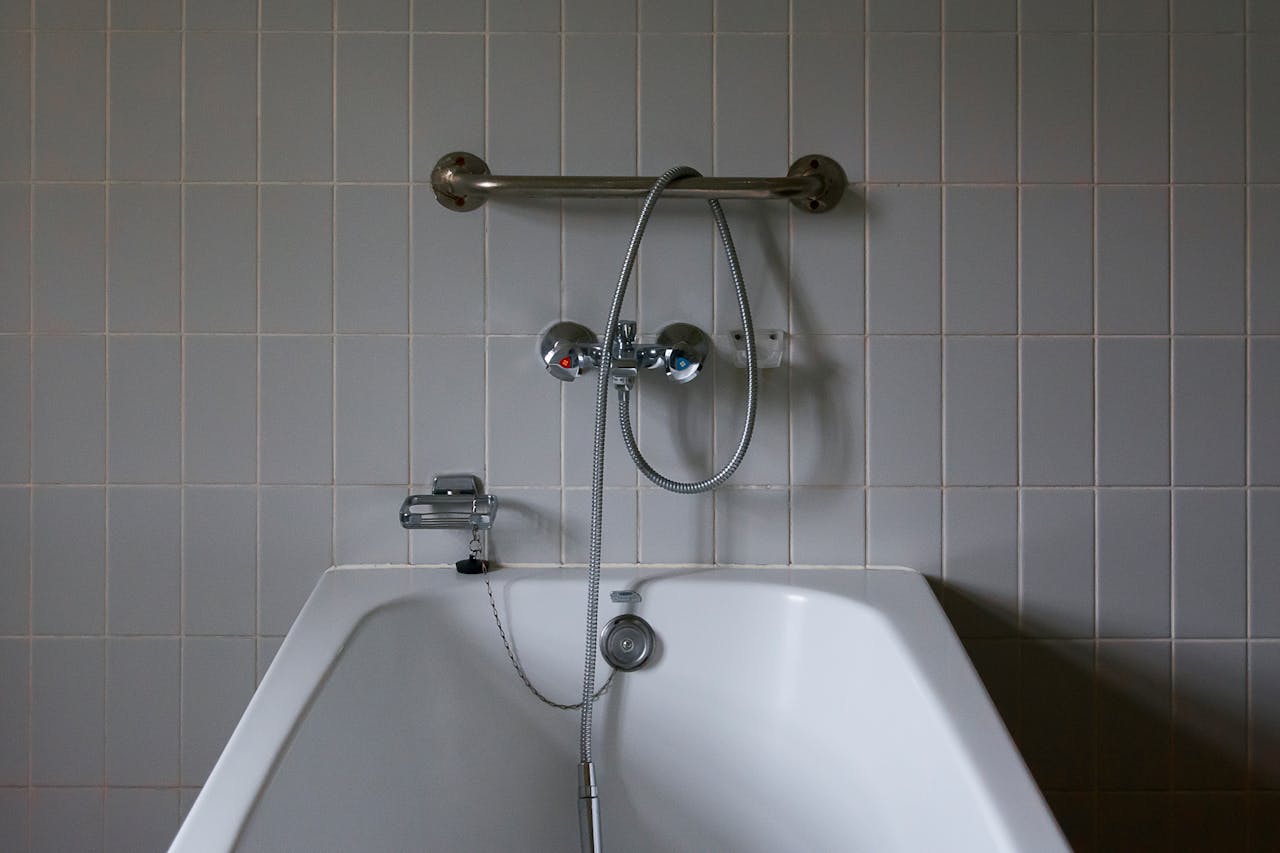
Designing or upgrading a bathroom is more than just picking fixtures—it’s about creating a space that blends comfort, practicality, and personal style. Bathware plays a central role in this transformation, influencing not only how your bathroom looks but also how it functions day to day. Choosing the right bathware requires thoughtful consideration of materials, layout, durability, and aesthetics. With so many options available, making the right decisions can feel overwhelming, but understanding the essentials makes the process much easier.
Understanding Your Needs
Before diving into styles and finishes, start by assessing your specific needs. Think about how the bathroom is used. A family bathroom will have different requirements than a guest or master bathroom. For example, households with children may prioritize durable materials and easy-to-clean surfaces, while a master bathroom might focus more on luxury and relaxation.
Space is another crucial factor. Smaller bathrooms benefit from compact fixtures like wall-mounted sinks or corner showers, which maximize usable area. Larger bathrooms, on the other hand, allow for more indulgent features such as freestanding bathtubs or double vanities.
Choosing the Right Bathtub
The bathtub is often the centerpiece of a bathroom, so selecting the right one is key. There are several types to consider:
- Freestanding bathtubs offer a modern, elegant look and work well in spacious bathrooms.
- Built-in tubs are practical and often combined with showers, making them ideal for family use.
- Corner bathtubs maximize space in smaller layouts.
- Walk-in tubs provide accessibility and safety, especially for elderly users.
Material matters too. Acrylic tubs are lightweight and affordable, while cast iron tubs are highly durable and retain heat longer. Stone resin options offer a premium feel but tend to be more expensive.
Selecting the Perfect Shower
Showers have become increasingly popular, often replacing bathtubs entirely in modern homes. When choosing a shower, consider both functionality and comfort.
Walk-in showers with frameless glass panels create a sleek, open feel and are easier to clean. Enclosed shower cabins offer more containment, preventing water from splashing across the bathroom. Rainfall showerheads add a touch of luxury, while handheld options provide flexibility.
Water pressure and plumbing compatibility should also guide your decision. Some advanced shower systems require specific setups, so it’s important to ensure your home can support them.
Picking the Right Sink and Vanity
Sinks and vanities combine storage and style. The type you choose should complement your bathroom’s design while meeting practical needs.
- Pedestal sinks are ideal for small bathrooms but offer limited storage.
- Wall-mounted sinks save space and give a modern look.
- Vessel sinks sit on top of the counter and act as a design statement.
- Undermount sinks provide a seamless and easy-to-clean surface.
Vanities should be chosen based on storage requirements. Drawers, cabinets, and organizers help keep the bathroom clutter-free. Materials like solid wood, MDF, or metal each have their pros and cons in terms of durability and moisture resistance.
Toilets: Efficiency and Comfort
Toilets may not be the most glamorous part of bathware, but they are essential. Modern designs focus on water efficiency, comfort, and hygiene.
Dual-flush toilets help conserve water by offering different flush options. Wall-hung toilets create a minimalist look and make floor cleaning easier. Comfort-height toilets are slightly taller, making them more ergonomic for many users.
Advanced models even include features like bidet functions, heated seats, and self-cleaning technology, adding convenience and luxury.
Faucets and Fixtures
Faucets and fixtures are the finishing touches that tie the entire bathroom together. They come in a variety of styles, finishes, and functionalities.
Common finishes include chrome, brushed nickel, matte black, and brass. The choice should match the overall theme of the bathroom. For example, matte black suits modern designs, while brass adds a vintage or classic feel.
When selecting faucets, consider water efficiency and ease of use. Single-handle faucets are convenient, while dual-handle designs offer more precise temperature control. Sensor-based faucets are increasingly popular for their hygiene benefits.
Material and Durability Considerations
Bathrooms are exposed to constant moisture, so durability is critical. Choosing high-quality materials ensures longevity and reduces maintenance costs.
Ceramic and porcelain are widely used for sinks and toilets due to their resistance to stains and scratches. Stainless steel and brass are common for fixtures because they resist corrosion. For countertops and vanities, quartz and granite provide durability along with aesthetic appeal.
Always check product warranties and reviews to ensure reliability. Investing in quality bathware upfront often saves money in the long run.
Style and Aesthetic Harmony
A cohesive design ties all bathware elements together. Whether you prefer a minimalist, contemporary, traditional, or spa-inspired look, consistency is key.
Color schemes should be carefully selected. Neutral tones like white, beige, and gray create a calm atmosphere, while bold colors can add personality. Matching finishes across fixtures and accessories enhances visual harmony. This is especially important in high-end luxury bathroom renovations, where every detail contributes to a polished and sophisticated final result.
Lighting also plays a role in highlighting bathware. Proper illumination can make materials and finishes stand out, elevating the overall design.
Budget and Value
Budget is an important consideration, but it shouldn’t be the only deciding factor. While it’s tempting to choose cheaper options, low-quality bathware may lead to higher maintenance or replacement costs.
Set a realistic budget and prioritize essential items like toilets, sinks, and showers. Allocate more funds to items that see heavy daily use. Look for a balance between affordability and quality.
Comparing brands, reading reviews, and consulting professionals can help you make informed decisions without overspending.
Installation and Maintenance
Even the best bathware won’t perform well if installed incorrectly. Professional installation ensures proper fitting, prevents leaks, and extends the lifespan of your fixtures.
Maintenance should also be considered when choosing bathware. Smooth surfaces, anti-limescale coatings, and easy-access designs simplify cleaning. Regular upkeep keeps your bathroom looking new and functioning efficiently.
Conclusion
Choosing the right bathware involves balancing functionality, style, and durability. By understanding your needs, evaluating available options, and focusing on quality, you can create a bathroom that is both practical and visually appealing. Whether you’re renovating an existing space or designing a new one, thoughtful bathware selection transforms an ordinary bathroom into a comfortable and inviting retreat.