
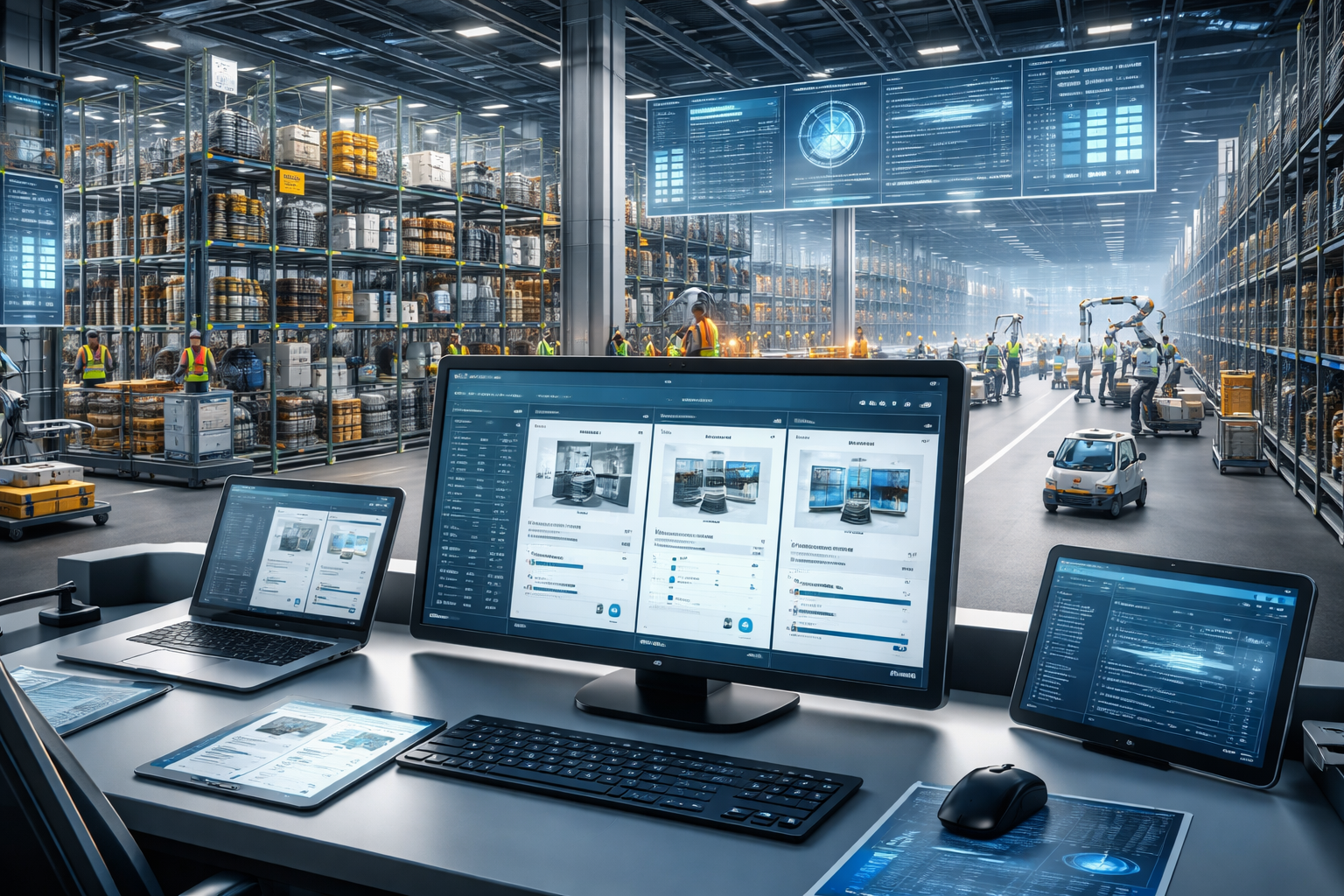
The electrical equipment supply chain is entering a new era defined by speed, visibility, and data-driven decision-making. As construction, manufacturing, energy, and infrastructure projects become more complex and time-sensitive, suppliers are being pushed to modernize how they manage procurement and inventory. In 2026 and beyond, the most competitive electrical equipment suppliers will be those that successfully integrate digital procurement systems with real-time inventory intelligence.
This shift is not simply operational—it is structural. Traditional models built around static catalogs, manual ordering, and periodic inventory checks are being replaced by interconnected digital ecosystems that link suppliers, manufacturers, contractors, and end users in real time.
Digital Procurement as a Strategic Advantage
Digital procurement has moved from a convenience feature to a core business capability. Electrical equipment suppliers are increasingly adopting cloud-based procurement platforms that allow customers to browse inventory, compare specifications, and place orders through integrated systems rather than manual processes.
These platforms are often embedded directly into enterprise resource planning (ERP) systems used by contractors and industrial buyers. The result is a streamlined procurement workflow that reduces friction, eliminates redundant communication, and shortens purchasing cycles.
One of the most significant advantages of digital procurement is transparency. Buyers can access real-time pricing, availability, and lead times without relying on back-and-forth communication. This level of visibility improves planning accuracy, especially for large-scale infrastructure projects where delays in electrical components can halt entire phases of construction.
For suppliers, digital procurement systems also generate valuable behavioral data. Patterns in ordering frequency, product selection, and seasonal demand allow suppliers to better forecast needs and adjust purchasing strategies with manufacturers.
The Rise of Real-Time Inventory Systems
Real-time inventory management is redefining how electrical equipment suppliers operate their warehouses and distribution networks. Instead of relying on periodic stock counts or lagging updates, suppliers are deploying systems that track inventory levels continuously using integrated sensors, barcode scanning, RFID tagging, and IoT-enabled warehouse infrastructure.
This real-time visibility reduces one of the most persistent challenges in electrical supply chains: stockouts and overstocking. With accurate, up-to-the-minute inventory data, suppliers can ensure that high-demand items such as circuit breakers, transformers, conduit systems, and control panels are consistently available.
Real-time systems also improve allocation across multiple distribution centers. When inventory levels drop in one location, automated systems can redirect stock from other warehouses or trigger replenishment orders before shortages occur. This dynamic approach reduces downtime for customers and increases overall supply chain efficiency.
Integration of Procurement and Inventory Data
The most transformative development is the convergence of procurement and inventory systems into a unified digital environment. When procurement platforms are directly connected to real-time inventory systems, suppliers gain end-to-end visibility across the entire supply chain.
For example, when a contractor places an order through a digital procurement portal, the system can immediately verify stock availability, reserve inventory, and update warehouse data simultaneously. This eliminates delays caused by manual verification and reduces the risk of order fulfillment errors.
On a broader scale, integrated systems enable predictive analytics. Suppliers can anticipate demand spikes based on project pipelines, historical purchasing trends, and external factors such as regulatory changes or infrastructure investments. This predictive capability allows suppliers to position inventory strategically before demand materializes.
AI and Automation in Supply Chain Decision-Making
Artificial intelligence is becoming a key enabler of next-generation procurement and inventory systems. Machine learning models analyze historical sales data, market trends, and supply chain disruptions to forecast demand with increasing accuracy.
AI-driven systems can also automate procurement decisions. For example, when inventory levels fall below a predefined threshold, the system can automatically generate purchase orders to manufacturers, negotiate pricing based on historical data, or recommend alternative suppliers if disruptions are detected.
In warehouse operations, automation is improving efficiency through robotic picking systems, automated sorting, and AI-guided logistics planning. These tools reduce human error and accelerate order fulfillment, particularly in high-volume distribution centers.
Enhancing Supplier-Customer Collaboration
Digital procurement systems are also reshaping the relationship between suppliers and customers. Instead of transactional interactions, the supply chain is becoming more collaborative and data-driven.
Contractors and engineers can now share project timelines and material forecasts directly with suppliers. This allows suppliers to prepare inventory in advance and align logistics with project milestones. In return, suppliers provide real-time updates on product availability, lead times, and potential substitutions.
This level of collaboration is particularly valuable in industries where delays can result in significant financial losses. By synchronizing data across both sides of the supply chain, electrical equipment suppliers become active participants in project planning rather than passive vendors.
Supply Chain Resilience Through Digital Systems
Recent global disruptions have highlighted the importance of resilience in electrical supply chains. Digital procurement and real-time inventory systems play a critical role in building that resilience.
With centralized digital platforms, suppliers can quickly reroute orders, identify alternative sourcing options, and adjust inventory distribution in response to disruptions. Real-time visibility across suppliers, manufacturers, and logistics partners ensures that decision-makers are not operating with outdated or incomplete information.
Additionally, digital systems provide better risk management capabilities. Suppliers can monitor geopolitical developments, transportation delays, and raw material shortages to proactively adjust procurement strategies.
The Road Ahead for Electrical Equipment Suppliers
The future of electrical equipment supply is increasingly defined by integration, intelligence, and immediacy. Digital procurement systems and real-time inventory platforms are no longer optional enhancements—they are foundational to competitive operations.
Suppliers that invest in these technologies are positioning themselves to deliver faster service, reduce operational inefficiencies, and build stronger relationships with customers across construction, energy, and industrial sectors.
As infrastructure projects grow more complex and demand for electrification accelerates, the ability to synchronize procurement and inventory in real time will become a defining differentiator. The suppliers that succeed will be those that not only deliver products, but also deliver certainty, visibility, and operational intelligence across the entire supply chain.
