
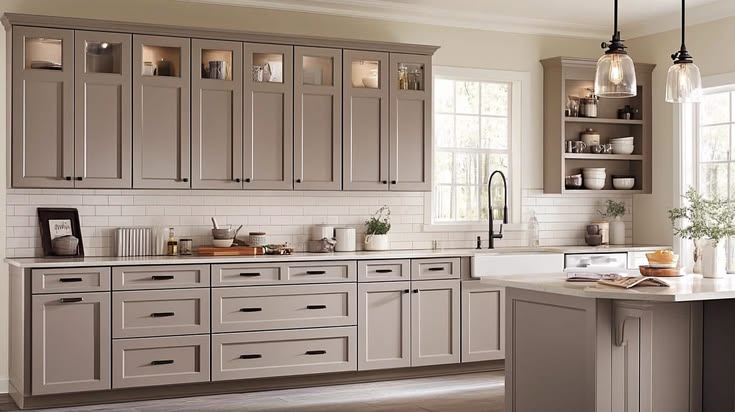
Open concept kitchens look beautiful when everything feels connected and balanced. But that same open layout can also make design mistakes stand out fast. Cabinets that look great in a closed kitchen may suddenly feel too bulky awkward or disconnected once walls are removed.
A lot of homeowners struggle with this part. They pick colors styles or layouts they like online only to realize later that the cabinets overpower the space or clash with the rest of the home. Since the kitchen is visible from the living and dining areas every cabinet choice matters more than usual.
The good news is that choosing the right kitchen cabinets for an open concept layout does not have to feel overwhelming. Once you understand how cabinets affect flow lighting storage and overall design the process becomes much easier.
This guide will walk through practical ways to choose cabinets that fit naturally into an open kitchen while keeping the whole space functional stylish and comfortable.
Think About the Entire Room Not Just the Kitchen
One common mistake in open layouts is treating the kitchen like a separate room. In reality it becomes part of a larger shared space. That changes how cabinets should look and feel.
Instead of choosing cabinets in isolation look at nearby elements first:
- Flooring
- Furniture
- Wall colors
- Lighting fixtures
- Dining tables
- Living room decor
Everything should feel visually connected. That does not mean every piece has to match perfectly. It just means the cabinets should complement the surrounding style.
For example sleek modern cabinets may look out of place beside rustic wood furniture and warm traditional finishes. On the other hand soft neutral cabinets often blend naturally across multiple spaces.
Open layouts work best when transitions feel smooth not forced.
Avoid Heavy Cabinet Designs That Crowd the Space
Large detailed cabinets can make an open kitchen feel smaller than it really is. Since there are fewer walls in open layouts visual weight becomes more noticeable.
This is where cleaner styles often work better.
Why Simpler Designs Feel More Open
Minimal cabinet fronts create a lighter appearance. They allow the eye to move naturally across the room without visual clutter.
Many homeowners now prefer Flat panel cabinets because they help open kitchens feel calm and modern without looking too busy. Their smooth surfaces work especially well in homes with clean lines and airy layouts.
That does not mean decorative cabinets are always wrong. The key is balance.
If you love detailed cabinetry try limiting ornate features to the island or lower cabinets while keeping upper cabinets simpler.
Watch Out for Oversized Upper Cabinets
Tall upper cabinets can close in an open kitchen quickly especially in homes with lower ceilings.
Instead consider:
- Open shelving in small sections
- Glass cabinet doors
- Shorter upper cabinets
- Floating shelves mixed with cabinetry
These options create breathing room while still providing storage.
Choose Colors That Connect With the Living Space
Cabinet color matters even more in open layouts because the kitchen remains visible from multiple angles.
A bold cabinet color may look exciting in a showroom but can dominate the entire main floor once installed.
Safe Color Directions That Age Well
Soft neutrals usually work best because they blend naturally across connected rooms.
Popular choices include:
- Warm white
- Soft gray
- Light oak
- Beige tones
- Muted sage
- Natural wood finishes
Dark cabinets can still work beautifully but they often need stronger lighting and larger spaces to avoid making the area feel heavy.
Contrast Can Still Work When Used Carefully
Some homeowners worry neutral cabinets will look boring. They do not have to.
You can still create contrast through:
- Hardware
- Countertops
- Lighting
- Backsplash texture
- Island color variation
For example a white perimeter cabinet layout paired with a darker island often creates visual interest without overwhelming the room.
Focus on Flow and Movement
An open kitchen should feel easy to move through. Cabinet placement plays a huge role in that experience.
If cabinets interrupt traffic patterns the entire layout starts feeling uncomfortable.
Keep Walkways Comfortable
Pay attention to spacing around:
- Islands
- Appliance doors
- Seating areas
- Entry points
A crowded island may look fine on paper but become frustrating during daily use.
Families especially notice this problem during busy mornings or gatherings.
Think Beyond Storage Capacity
More cabinets do not always mean a better kitchen.
Sometimes fewer cabinets with smarter organization create a much more comfortable layout. Open kitchens benefit from breathing room and visual simplicity.
Try focusing on:
- Deep drawers
- Pull out storage
- Hidden organizers
- Multi functional islands
This keeps storage practical without filling every wall with cabinetry.
Make the Island Feel Like Part of the Living Space
In many open kitchens the island becomes the visual center of the home. It is not just for cooking anymore.
People gather there constantly:
- Kids do homework
- Guests sit during parties
- Families eat quick meals
- Conversations happen daily
That means island cabinets should feel inviting not overly industrial.
Use Furniture Inspired Details
Many designers now treat islands more like furniture pieces.
You might see:
- Wood accents
- Decorative legs
- Mixed finishes
- Softer paint colors
- Open shelving on island ends
These details help the kitchen blend naturally into nearby living spaces.
Seating Should Feel Comfortable
Cabinet overhang depth matters more than people realize.
If seating feels cramped guests will avoid using it. Make sure there is enough knee space and comfortable spacing between stools.
Small usability choices often shape how enjoyable an open kitchen feels day to day.
Lighting Changes How Cabinets Look
Cabinet colors and finishes can shift dramatically depending on lighting. Open concept homes usually receive mixed lighting from several directions which affects appearance throughout the day.
A cabinet finish that looks warm in the morning may appear cool at night.
Test Samples in Real Conditions
Never rely only on showroom lighting.
Bring cabinet samples home and check them:
- In daylight
- At night
- Under kitchen lighting
- Near living room lighting
This step prevents expensive surprises later.
Glossy Finishes Reflect More Light
High gloss cabinets can brighten smaller open kitchens but they also show fingerprints and reflections more easily.
Matte finishes feel softer and more relaxed which many homeowners prefer in shared family spaces.
The right choice depends on your lifestyle and maintenance preferences.
Do Not Ignore Practical Daily Use
Beautiful cabinets still need to function well. Open kitchens get used heavily because they become central gathering areas.
Cabinet choices should support real daily routines not just aesthetics.
Consider Noise and Visibility
In an open layout everything is more noticeable including clutter.
Too many open shelves can quickly look messy especially in busy households.
Closed cabinets often help spaces feel calmer and cleaner visually.
Soft close drawers and doors also matter more than people expect. In open homes noise travels easily across connected rooms.
Think Long Term
Trendy cabinet styles can feel outdated faster in open layouts because they stay constantly visible.
Choosing timeless materials and balanced finishes often gives better long term satisfaction.
That does not mean playing it too safe. It simply means avoiding extremely trendy decisions that may feel tiring after a few years.
Smart Cabinet Pairings That Work Well in Open Kitchens
Some cabinet combinations naturally fit open layouts better than others.
Here are a few approaches that consistently work well.
Warm Wood and White Cabinets
This combination creates balance between cozy and bright. Natural wood tones soften the clean appearance of white cabinetry.
It works especially well in modern farmhouse transitional and Scandinavian inspired homes.
Two Tone Cabinet Layouts
Using one color for upper cabinets and another for lower cabinets helps break up visual heaviness.
A common pairing includes:
- White uppers
- Dark gray lowers
- Wood island accents
This adds depth without making the room feel crowded.
Matte Finishes With Minimal Hardware
Simple cabinet fronts paired with subtle hardware often create the cleanest open concept appearance.
This is another reason many homeowners lean toward Flat panel cabinets in modern spaces. The streamlined look supports visual flow throughout connected rooms.
Common Cabinet Mistakes That Hurt Open Layouts
Some design mistakes appear repeatedly in open kitchens.
Knowing them early can save frustration later.
Choosing Cabinets Before Finalizing the Full Design
Cabinets should support the entire space not compete with it.
Always consider:
- Flooring
- Countertops
- Paint
- Furniture
- Lighting
before making final cabinet decisions.
Overloading the Kitchen With Too Many Finishes
Too many textures colors and cabinet styles can make open spaces feel chaotic.
Try limiting:
- Wood tones
- Paint colors
- Metal finishes
Consistency creates calmness.
Ignoring Scale
Massive cabinets may overpower smaller open layouts while tiny cabinets can feel disconnected in larger homes.
Cabinet proportions should match ceiling height room width and overall home scale.
Final Thoughts
Choosing cabinets for an open concept kitchen is about much more than picking a style you like online. The cabinets need to support flow comfort lighting storage and the overall feeling of the home.
The best open kitchens feel connected relaxed and easy to live in. That usually comes from thoughtful cabinet choices rather than overly trendy ones.
Focus on balance. Keep the space visually open. Choose finishes that work with the rest of your home. Prioritize function just as much as appearance.
When cabinets fit naturally into the larger living space the entire home feels more welcoming and cohesive.
FAQs
Are light cabinets always better for open kitchens?
Not always. Light cabinets help smaller spaces feel open but darker cabinets can work beautifully in larger kitchens with good natural light.
Do open concept kitchens need matching cabinets throughout?
No. Cabinets should coordinate with nearby spaces but they do not need to match everything exactly. Balance matters more than perfect matching.
Are Flat panel cabinets good for small open kitchens?
Yes. Their clean design helps smaller open kitchens feel less crowded and visually lighter compared to heavily detailed cabinet styles.