

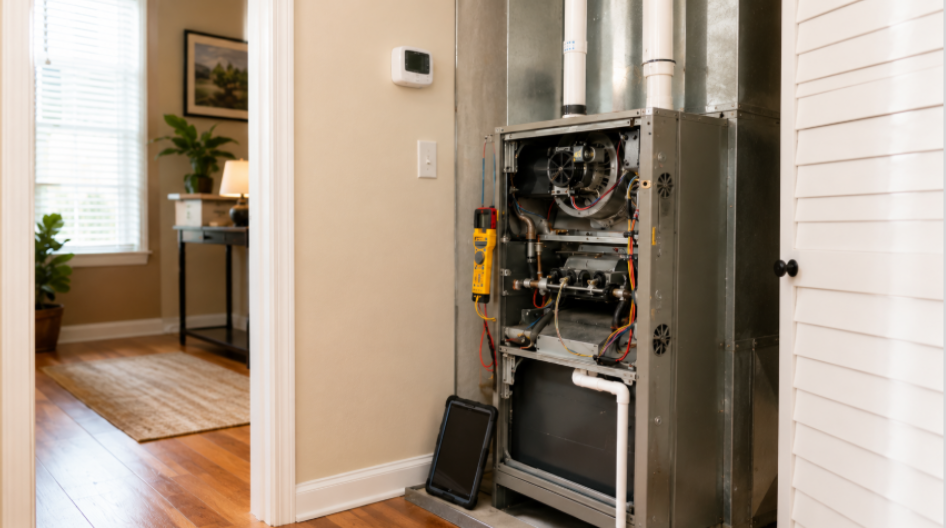
Heating and cooling decisions affect comfort, costs, indoor air quality, and equipment life. For homeowners, the challenge is not only finding help when a system fails, but understanding which services prevent problems before they become expensive. A dependable HVAC provider should combine technical skill with clear communication, diagnostics, and recommendations that match the home.
What Quality HVAC Service Actually Covers
HVAC service is broader than a quick repair visit. It may include furnace inspections, air conditioner diagnostics, heat pump service, thermostat troubleshooting, airflow testing, filter guidance, ductwork evaluation, and safety checks. A good technician looks at the whole system, not just the part making noise or failing to start.
That broader view matters because comfort issues often have more than one cause. A warm upstairs bedroom may point to duct restrictions, low refrigerant, poor insulation, an oversized unit, or thermostat placement. Working with a local provider such as Paradise Heating and Cooling can help homeowners get an evaluation instead of a surface-level fix.
Maintenance Is Not the Same as Repair
Maintenance is planned care. Repair is a response to a problem. Both are necessary, but they serve different purposes.
During maintenance, a technician typically checks electrical connections, cleans accessible components, tests system operation, inspects safety controls, and looks for warning signs. The goal is to reduce strain, improve reliability, and catch small issues before peak season.
Repair focuses on restoring a system that is already underperforming or not operating. Common repair needs include failed capacitors, blower motor issues, ignition problems, refrigerant leaks, clogged drains, worn contactors, and thermostat faults. Timely repair can prevent added damage, but maintenance often reduces urgent calls.
Common Misconceptions Homeowners Should Avoid
One misconception is that changing the filter is the same as professional maintenance. Filter replacement is important, but it does not test electrical components, verify refrigerant behavior, inspect combustion safety, or measure airflow.
Another misconception is that bigger equipment always performs better. Oversized HVAC systems may short-cycle, leave humidity behind, and wear out sooner. Proper sizing depends on layout, insulation, window exposure, duct design, and comfort goals.
Homeowners sometimes assume uneven temperatures mean replacement. Often, airflow balancing, duct adjustments, sealing, thermostat changes, or targeted repairs may solve the issue.
How to Evaluate an HVAC Company
Before scheduling service, homeowners should look for a company that explains findings clearly, documents recommended work, and avoids pressure-based decisions. Good conversations include what is urgent, what can wait, and which options make sense for the system’s age and condition.
A reputable HVAC company in Dayton should also answer practical questions: What caused the issue? Is the repair cost-effective? Are there safety concerns? How can the system be maintained after service? Clear answers help customers feel confident.
Practical Takeaways for Better System Performance
Replace filters on a schedule that matches household conditions. Homes with pets, allergy concerns, heavy use, or renovation dust may need more frequent changes.
Keep outdoor units clear of leaves and debris. Indoors, avoid blocking supply and return vents with furniture or rugs. Pay attention to new sounds, short cycling, weak airflow, odors, or rising energy bills, because these can signal issues.
Professional HVAC service is most valuable when it combines prevention, diagnosis, and honest guidance. With the right approach, homeowners can improve comfort, extend equipment life, and make better decisions before small problems become costly emergencies.