

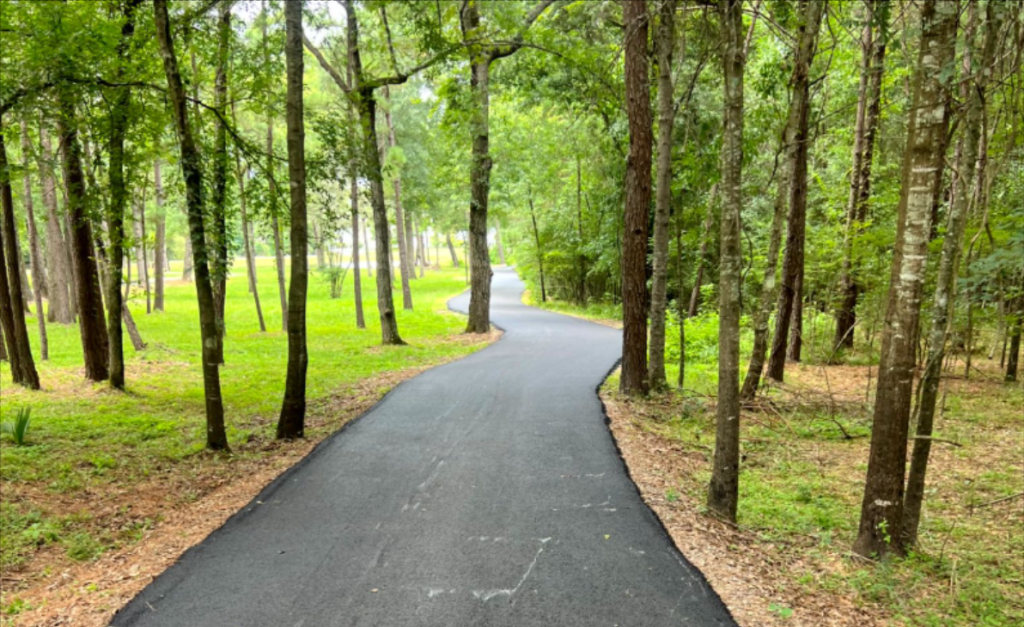
Hiring a Houston paving contractor is not only about getting a clean new surface. The city’s heat, heavy rain, clay-heavy soils, traffic patterns, and drainage demands all affect how pavement performs over time. A good project starts with questions about base preparation, materials, grading, access, maintenance, and long-term use. Whether the job involves a driveway, parking lot, private road, or commercial pavement repair, these tips can help property owners evaluate proposals and avoid decisions based only on price.
1. Look Beyond the Surface Finish
Fresh asphalt or concrete can look smooth on day one, even when the preparation underneath is weak. That is why appearance should never be the only measure of quality. A reliable paving contractor should explain what is happening below the finished surface, including excavation, base depth, compaction, drainage, and edge support.
Houston properties deal with soil movement and rain, so the base matters. If soft areas are left in place, the new pavement may settle, crack, or rut. If the slope is wrong, water may sit on the surface or push toward structures. The best early question is simple: what conditions need to be corrected before paving begins?
A detailed site evaluation from a team such as Pelagic Paving can help property owners separate cosmetic resurfacing from structural paving work. That distinction is important because an overlay may be appropriate for one property, while another may need base repair before any new material is placed.
2. Match the Pavement Design to the Traffic Load
Not every paved surface carries the same burden. A residential driveway may mainly support passenger vehicles. A commercial lot may handle turning delivery trucks, employee traffic, customer parking, trailers, and trash service. These repeated loads create stress in different ways.
A Houston paving contractor should ask how the space is used, not just how large it is. Turning areas, dumpster pads, loading zones, and entrance lanes may need extra attention because they experience concentrated pressure. If those zones are built the same as low-traffic areas, they may fail sooner.
Property owners should describe the heaviest vehicles expected on the pavement and how often they will use it. This helps determine material thickness, base requirements, reinforcement needs, and repair strategy. Good paving is not one-size-fits-all; it is designed around actual use.
3. Make Drainage Part of the First Conversation
Houston weather can expose weak paving decisions quickly. Rainwater needs a planned route off the surface and away from the base. Standing water is more than an inconvenience. It can soften underlying materials, widen cracks, create potholes, and shorten pavement life.
Before work begins, walk the site after a rain if possible. Note low spots, puddles, runoff paths, blocked drains, and areas where water flows toward buildings. These observations are useful during the estimate process.
Drainage solutions may include grading changes, swales, drains, curb adjustments, or improved edge transitions. The right approach depends on the property. A contractor should explain how the finished surface will move water and whether existing drainage features are enough. If the proposal does not mention drainage, ask directly.
4. Ask What Preparation Is Included
Estimates can vary because preparation varies. One proposal may include removing failed pavement, correcting base issues, compacting stone, adjusting grade, and cleaning edges. Another may focus mainly on placing new material over what already exists. Both may use similar wording, but the long-term results can differ.
Preparation should be specific. Ask whether the contractor will remove unstable material, address soft spots, compact the base, manage transitions, and prepare tie-ins at garages, sidewalks, curbs, gates, drains, or existing pavement. These details affect daily use and durability.
A professional estimate should help the owner understand the work sequence. If a price seems unusually low, it may be because important steps are missing. Value comes from appropriate preparation, not just a lower initial number.
5. Understand Material Choices Before Approving Work
Asphalt, concrete, and other paving options each have practical strengths. Asphalt is flexible and commonly used for driveways, roads, and parking areas. Concrete can be useful where rigidity, defined edges, or specific finishes are priorities. Some projects may involve patching, resurfacing, sealcoating, striping, or mixed solutions.
The right material depends on traffic, drainage, budget, maintenance expectations, and property layout. A contractor should explain why a recommendation fits the site. For example, a surface with frequent heavy turning may need a different structure than a lightly used residential driveway.
Working with Pelagic Paving can help property owners compare these options, including what maintenance each choice may require. The goal is not to choose the most expensive material; it is to choose the one that fits the pavement’s job.
6. Plan Around Access, Timing, and Curing
Paving affects how people move through a property. Homeowners may need to park elsewhere. Businesses may need customer access, employee parking, delivery routes, or phased work. Planning these details reduces frustration and protects the new surface.
Curing and use timelines matter too. Fresh pavement can be damaged by heavy loads, sharp turns, trailers, kickstands, dumpsters, or concentrated weight before it is ready. Weather can also influence scheduling, especially when rain or extreme heat affects installation conditions.
Before approving work, ask when the surface can handle foot traffic, vehicles, parking, and heavier use. For commercial properties, ask whether the work can be phased to keep parts of the site open. A contractor who discusses logistics early is usually thinking beyond installation day.
7. Compare Contractors by Clarity, Not Just Price
Price matters, but it should not be the only deciding factor. A clear proposal should describe the scope, materials, preparation, drainage considerations, thickness where relevant, repair areas, and expected timeline. Vague language makes it difficult to compare bids fairly.
Pay attention to how questions are answered. A good contractor should be able to explain why a certain repair is recommended, which issues are urgent, and which improvements are optional. They should also identify conditions that could change once the old pavement is removed.
Miscommunication is a common source of paving disappointment. Property owners should confirm what is included, what is excluded, and how changes will be handled. The best contractor is not always the one with the shortest answer or fastest estimate. It is the one who helps the owner understand the project before decisions are made.
Long-Term Pavement Performance Starts With Better Planning
Choosing a Houston paving contractor becomes easier when the conversation focuses on the right details: base strength, drainage, traffic load, material selection, preparation, access, curing, and maintenance. Each factor influences how the finished surface performs after the equipment leaves.
A well-planned paving project should solve site-specific problems, not simply cover them. Property owners who ask better questions are more likely to receive proposals that reflect real conditions and long-term needs. With thoughtful planning, clear communication, and attention to Houston’s climate and soil challenges, pavement can remain safer, cleaner, and more dependable for everyday use.