
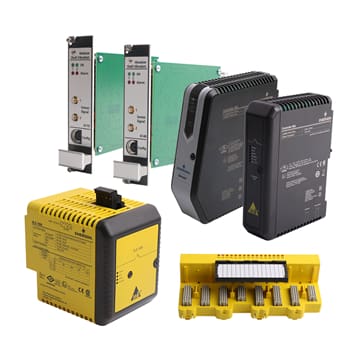
Industrial control systems form the backbone of modern manufacturing operations, enabling precise automation and monitoring across diverse production environments. For procurement managers, finding reliable suppliers who can deliver high-quality components while maintaining competitive pricing presents an ongoing challenge. The complexity increases when managing inventory levels for critical parts that directly impact production uptime and operational safety.
This comprehensive guide addresses these challenges by examining the landscape of industrial control system suppliers and providing actionable strategies for sourcing decisions. Whether you’re managing a single facility or coordinating procurement across multiple sites, understanding supplier capabilities, component quality standards, and cost-optimization techniques becomes essential. The following sections will equip you with the knowledge needed to build strong supplier relationships, ensure component reliability, and implement inventory management practices that balance cost efficiency with operational continuity. By applying these insights, procurement professionals can make informed decisions that support both immediate operational needs and long-term strategic goals.
Understanding Industrial Control System Solutions
Industrial control systems (ICS) serve as the technological foundation that enables automated manufacturing, process control, and facility management across industries. These integrated systems combine hardware and software to monitor equipment performance, regulate production parameters, and respond to operational changes in real-time. From automotive assembly lines to chemical processing plants, ICS solutions ensure that complex operations run smoothly while maintaining safety standards and quality benchmarks.
Modern control systems have evolved beyond simple on-off switches to sophisticated networks capable of handling thousands of data points simultaneously. They collect information from sensors distributed throughout facilities, process this data through programmable logic controllers, and execute precise adjustments to maintain optimal conditions. This automation reduces human error, increases production consistency, and allows operators to focus on strategic oversight rather than manual intervention. The integration of communication protocols enables these systems to share data across departments, supporting informed decision-making at every organizational level.
For procurement managers, understanding these systems means recognizing how component selection directly affects operational outcomes. A well-designed control system minimizes downtime through predictive maintenance capabilities, adapts to changing production requirements, and scales alongside business growth. The effectiveness of any ICS solution depends on the quality of its individual parts, the compatibility between components, and the reliability of the suppliers providing them. This understanding forms the basis for making strategic sourcing decisions that balance immediate budget constraints with long-term operational requirements.
Key Components of Industrial Control Systems
Controllers represent the decision-making core of any industrial control system, with programmable logic controllers (PLCs) being the most widely deployed option in manufacturing environments. These devices receive input signals, execute programmed logic sequences, and generate output commands that direct equipment behavior. Modern PLCs offer modular architectures that allow procurement managers to scale functionality by adding specialized modules for analog processing, high-speed counting, or motion control. Distributed control systems (DCS) provide an alternative for process industries requiring continuous regulation of variables like temperature, pressure, and flow rates across extensive facilities.
Sensors and transmitters function as the sensory network that feeds information into controllers, measuring physical parameters such as temperature, pressure, position, and flow. The accuracy and reliability of these devices directly impact control precision and product quality. Industrial-grade sensors withstand harsh conditions including extreme temperatures, vibration, and chemical exposure while maintaining measurement integrity. Procurement decisions should prioritize devices with appropriate protection ratings and calibration stability to minimize maintenance requirements and ensure consistent performance throughout their operational lifespan.
Actuators convert controller commands into physical actions, operating valves, motors, and other mechanical components that directly manipulate production processes. Pneumatic actuators use compressed air for rapid response in packaging and assembly applications, while electric actuators provide precise positioning for robotics and material handling systems. Hydraulic actuators deliver high force output for heavy industrial equipment. The selection criteria include response time, force requirements, environmental compatibility, and integration with existing control architectures.
Communication networks tie these components together, enabling data exchange between field devices, controllers, and supervisory systems. Industrial Ethernet protocols like PROFINET and EtherNet/IP have become standard for their high-speed capabilities and compatibility with enterprise IT infrastructure. Fieldbus systems such as DeviceNet and Modbus remain prevalent in existing installations. Network reliability affects system responsiveness and diagnostic capabilities, making component compatibility and vendor support critical considerations when building or expanding control system infrastructure.
Selecting the Right Suppliers
Establishing relationships with qualified suppliers begins with evaluating their technical expertise and industry track record. Leading suppliers demonstrate deep knowledge of control system architectures, maintain certifications from major manufacturers, and employ application engineers who can recommend appropriate components for specific operational requirements. Companies like Rockwell Automation, Siemens, and Schneider Electric offer comprehensive product portfolios backed by decades of industrial automation experience. Regional distributors such as Rexel, WESCO, and Graybar provide localized support with faster delivery times and hands-on technical assistance. Specialized providers like Moore Automated focus on kj3222x1-ba1 and offer expertise in programmable logic controller selection and integration for facilities requiring targeted automation solutions. Verification of supplier credentials should include reviewing case studies from similar industries, checking references from existing clients, and assessing their ability to support both standard and custom applications.
Product availability and supply chain reliability separate exceptional suppliers from adequate ones, particularly when production schedules depend on timely component delivery. Suppliers maintaining substantial inventory levels can fulfill urgent orders without extended lead times, while those with diversified sourcing networks reduce vulnerability to single-source disruptions. Request information about stock levels for critical components, average order fulfillment times, and contingency plans for supply interruptions. Suppliers offering vendor-managed inventory programs can monitor your consumption patterns and proactively replenish stock before shortages occur, reducing the administrative burden on procurement teams while ensuring parts availability.
Technical support capabilities extend beyond product delivery to encompass system design assistance, troubleshooting guidance, and training resources. Quality suppliers provide access to application engineers who can review system specifications, recommend component selections, and identify potential compatibility issues before purchase. Look for suppliers offering online technical libraries, training webinars, and responsive customer service teams available during your operational hours. The availability of on-site support for complex installations or system upgrades adds value, particularly when integrating new components into existing control architectures. Evaluate whether suppliers maintain service centers within reasonable proximity to your facilities for faster response during critical situations.
Pricing structures and commercial terms significantly impact total cost of ownership beyond initial purchase prices. Suppliers offering volume discounts, blanket purchase agreements, or consignment inventory arrangements can reduce procurement costs while simplifying administrative processes. Compare not only unit prices but also shipping costs, minimum order quantities, payment terms, and return policies. Some suppliers provide value-added services such as component testing, custom labeling, or kitting that consolidate multiple parts into ready-to-install packages. Request detailed quotations that break down all costs and clearly specify warranty coverage, return windows, and conditions for price adjustments on long-term contracts.
Certification and compliance documentation becomes increasingly important as regulatory requirements evolve across industries. Reliable suppliers provide certificates of conformity, material safety data sheets, and compliance documentation for standards such as UL, CE, and industry-specific regulations. They track product revisions and notify customers of obsolescence or recommended replacements well in advance of discontinuation. Suppliers participating in quality management systems certified to ISO 9001 demonstrate commitment to consistent processes and continuous improvement. Verify that suppliers can provide traceability documentation linking delivered components to manufacturing batches, which proves essential during quality investigations or recall situations.
High-Quality Components
Component quality determines system reliability, maintenance costs, and operational longevity in industrial environments. Premium-grade controllers, sensors, and actuators incorporate robust construction materials, advanced circuitry protection, and rigorous testing protocols that ensure consistent performance under demanding conditions. These components withstand temperature fluctuations, electrical noise, vibration, and contaminants that would compromise lower-grade alternatives. While initial costs run higher, quality components deliver lower failure rates, extended service intervals, and reduced downtime expenses that offset the price premium over their operational lifespan. Procurement managers should prioritize suppliers offering components with established reliability data, comprehensive warranties, and proven performance records in comparable applications to minimize total cost of ownership and maintain production continuity.
Cost-Effective Sourcing Strategies
Implementing strategic purchasing approaches reduces procurement costs without compromising component quality or system reliability. Consolidating orders with fewer suppliers strengthens negotiating positions and qualifies buyers for volume discounts that can lower unit costs by fifteen to thirty percent compared to small-quantity purchases. Establishing blanket purchase orders for frequently used components locks in favorable pricing while simplifying administrative processes and reducing transaction costs. These agreements typically span six to twelve months and include predetermined pricing structures that protect against market fluctuations. Procurement managers should analyze historical consumption data to identify high-volume items suitable for consolidated purchasing arrangements, then approach suppliers with specific quantity commitments that justify preferential pricing terms.
Alternative sourcing channels provide cost advantages when balanced against quality considerations and delivery requirements. Authorized distributors offer genuine manufacturer components with full warranty coverage and technical support, while industrial surplus dealers and refurbished equipment specialists provide significant savings on discontinued or overstocked items. Online marketplaces connect buyers directly with multiple suppliers, enabling rapid price comparisons and access to competitive bidding. However, verify seller credentials and component authenticity before committing to purchases through unfamiliar channels. Request documentation proving genuine manufacturer origin and confirm return policies that protect against counterfeit or substandard parts.
Inventory optimization techniques balance carrying costs against stockout risks by aligning inventory levels with actual consumption patterns and lead time variability. Implementing just-in-time ordering for non-critical components reduces warehouse space requirements and minimizes capital tied up in excess stock. Conversely, maintaining strategic reserves of critical components with long lead times or single-source vulnerabilities prevents costly production interruptions. Conduct ABC analysis to categorize components by value and usage frequency, then apply differentiated inventory strategies that allocate resources proportionally to each category’s operational impact and financial significance.
Support and Maintenance
Ongoing support and maintenance programs ensure industrial control systems maintain peak performance throughout their operational lifespan while minimizing unexpected failures that disrupt production schedules. Comprehensive maintenance agreements typically include preventive inspection schedules, firmware updates, calibration services, and priority access to technical support teams when issues arise. Establishing these agreements with qualified service providers creates predictable maintenance budgets and reduces the risk of catastrophic system failures that generate emergency repair costs far exceeding routine maintenance expenses. Procurement managers should evaluate service providers based on their response times, technician qualifications, parts availability, and experience with specific control system brands deployed in their facilities.
Preventive maintenance protocols extend component lifespan and identify potential failures before they impact production operations. Scheduled inspections examine connections for corrosion or looseness, verify sensor calibration accuracy, test backup systems, and review system logs for anomalies indicating developing problems. Service providers offering remote monitoring capabilities can track system performance metrics continuously and alert facility managers to conditions requiring attention. These proactive approaches reduce unplanned downtime by addressing issues during scheduled maintenance windows rather than during critical production periods. Request detailed maintenance schedules that specify inspection frequencies, tasks performed, and expected outcomes for each service visit.
Training programs equip maintenance personnel with the knowledge needed to perform routine troubleshooting and basic repairs without external assistance. Suppliers and service providers offering hands-on training sessions, online learning modules, and certification programs help facilities develop internal expertise that reduces dependence on outside support for common issues. Training should cover system architecture, component replacement procedures, diagnostic techniques, and safety protocols specific to the installed equipment. Investing in staff development creates operational resilience while reducing long-term support costs. Verify that service agreements include training components and documentation resources that support knowledge transfer to facility personnel.
Strategic Procurement for Control System Success
Successfully sourcing industrial control system components requires a strategic approach that balances quality requirements with cost considerations while building relationships with reliable suppliers. This guide has examined the essential elements of control systems, from controllers and sensors to actuators and communication networks, providing procurement managers with the knowledge needed to evaluate component specifications and supplier capabilities. By prioritizing suppliers with proven technical expertise, robust supply chains, and comprehensive support services, organizations can secure the high-quality parts necessary for maintaining operational continuity and production efficiency.
Implementing the cost-effective sourcing strategies outlined here—including volume consolidation, strategic inventory management, and alternative sourcing channels—enables procurement teams to optimize budgets without compromising system reliability. Regular maintenance programs and ongoing supplier partnerships ensure that control systems continue delivering value throughout their operational lifespan. As manufacturing environments grow increasingly complex, the supplier relationships you establish today will determine your organization’s ability to adapt to technological advances and maintain competitive advantages. Apply these insights to strengthen your procurement processes, reduce total cost of ownership, and build resilient control system infrastructures that support both current operations and future growth objectives.
