
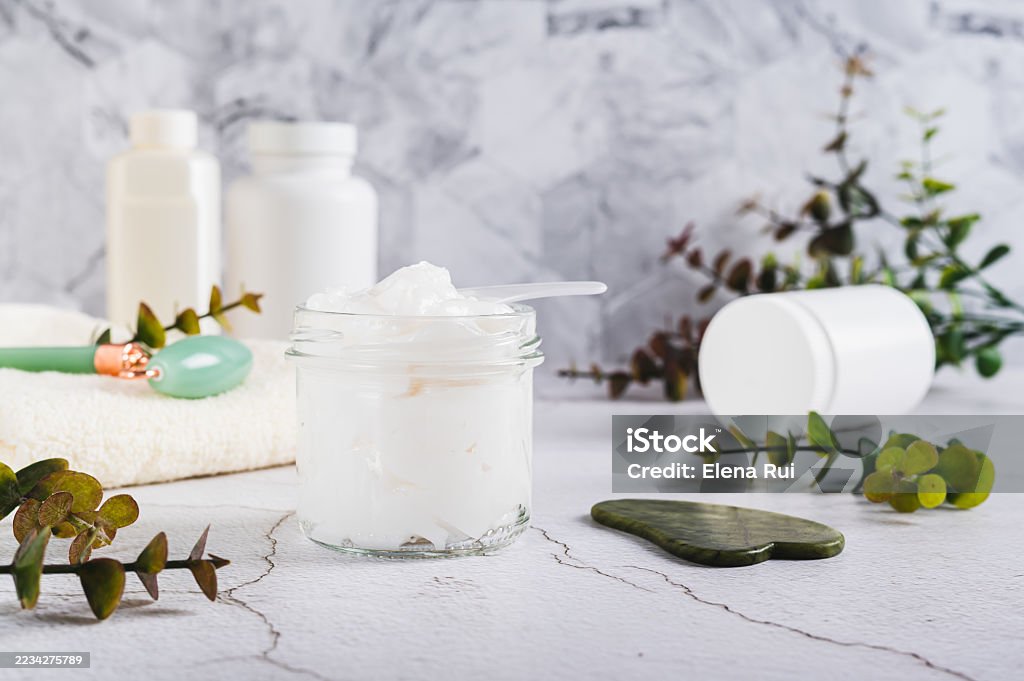
Skincare trends often move in cycles. Ingredients once considered old-fashioned suddenly return to popularity when people begin searching for simpler and more effective routines. In recent years, one traditional ingredient has quietly re-entered the skincare world: beef tallow.
Once commonly used in homemade soaps, salves, and moisturizers, beef tallow is now being discussed by people interested in minimal ingredient skincare and skin barrier support. While modern beauty products often focus on synthetic formulations and highly active ingredients, many consumers are looking back toward traditional skincare practices that rely on fewer components.
The growing interest in beef tallow for skin reflects this larger movement toward simplicity and skin-focused nourishment.
What Is Beef Tallow?
Beef tallow is a rendered form of beef fat, traditionally sourced from grass-fed cattle. Historically, it was used for cooking, candle making, soap production, and skincare applications long before commercial moisturizers became widely available.
What makes tallow unique in skincare discussions is its similarity to the skin’s natural oils. Human skin naturally produces sebum, a protective oily substance that helps maintain moisture and barrier function. Beef tallow contains fatty acids that closely resemble some of these naturally occurring lipids.
Because of this composition, many people interested in beef tallow skin care believe it works differently from heavily processed moisturizers that contain large numbers of synthetic ingredients.
Why Minimal Ingredient Skincare Is Growing
Modern skincare routines can become surprisingly complex. Cleansers, exfoliants, serums, acids, masks, and treatments are often layered together daily. While some people benefit from advanced routines, others experience irritation, dryness, or sensitivity caused by overuse of strong active ingredients.
This has led to a growing preference for simpler skincare approaches focused on hydration and barrier support rather than constant exfoliation.
Traditional moisturizers made with natural fats and oils are increasingly being revisited as people attempt to reduce unnecessary ingredients. As a result, products marketed as beef tallow moisturizer options have become more visible in discussions surrounding sensitive or dry skin care routines.
Understanding the Skin Barrier
The skin barrier is one of the most important parts of skin health. It acts as a protective layer that helps retain moisture while shielding the skin from environmental stressors.
When the barrier becomes weakened, the skin may appear:
- Dry or flaky
- Irritated
- Rough in texture
- More sensitive than usual
- Tight after washing
Factors such as cold weather, over-cleansing, strong exfoliants, and harsh skincare ingredients can all contribute to barrier stress.
Moisturizers are often used to help reduce moisture loss and support skin comfort. This is one reason why richer products, including beef tallow face cream formulations, are becoming more popular among people looking for deeply hydrating skincare options.
Why Traditional Animal-Based Skincare Was Common Historically
Before the rise of industrial skincare manufacturing, many households relied on natural fats and oils for skin protection. Tallow-based creams and balms were practical because the ingredients were accessible, stable, and long-lasting.
In colder climates, especially, thicker balms were commonly used to protect skin exposed to wind, dryness, and harsh outdoor conditions.
Today, the interest in beef tallow for face care partly reflects a broader curiosity about ancestral wellness practices and traditional self-care methods.
The Connection Between Tallow and Moisture Retention
One reason some people prefer tallow-based skincare is the texture and occlusive nature of the ingredient. Rich balms can help reduce transepidermal water loss, which is the process of moisture evaporating from the skin’s surface.
Unlike lightweight lotions that may disappear quickly after application, thicker balms often create a more protective layer over dry areas.
This is why some users apply beef tallow moisturizer products to areas such as:
- Dry hands
- Cracked heels
- Elbows and knees
- Chapped lips
- Dry facial areas during winter
The appeal is often less about trendy skincare claims and more about long-lasting comfort and hydration.
Why People Are Looking Beyond Synthetic Fragrances
Another reason traditional skincare products are gaining attention is growing awareness around fragrance sensitivity. Many people experience irritation from heavily scented creams and lotions.
Unscented or minimally formulated skincare products have become increasingly popular among consumers who prefer fewer additives. This has contributed to interest in traditional balms made with limited ingredient lists.
In many cases, people searching for beef tallow skin care products are specifically looking for straightforward formulations without strong perfumes or complicated chemical blends.
Modern Interest in Traditional Skincare
The rise of social media and wellness communities has accelerated conversations around historical skincare ingredients. Consumers are becoming more interested in understanding where ingredients come from and how skincare was approached before the modern cosmetic industry expanded globally.
This does not mean every traditional remedy works universally for everyone. Skin types vary significantly, and individual reactions always differ. However, the renewed curiosity surrounding ingredients like tallow shows that many people are rethinking how skincare routines should function.
Rather than focusing entirely on aggressive treatments, some consumers are shifting toward routines centered on hydration, nourishment, and barrier support.
The Return of Simpler Skincare Philosophies
The skincare industry continues to evolve, but one clear trend is the growing preference for simplicity. Many consumers are now prioritizing products with recognizable ingredients and uncomplicated formulations.
Whether driven by skin sensitivity, ingredient awareness, or interest in ancestral wellness, traditional moisturizers are becoming part of modern skincare discussions once again.