
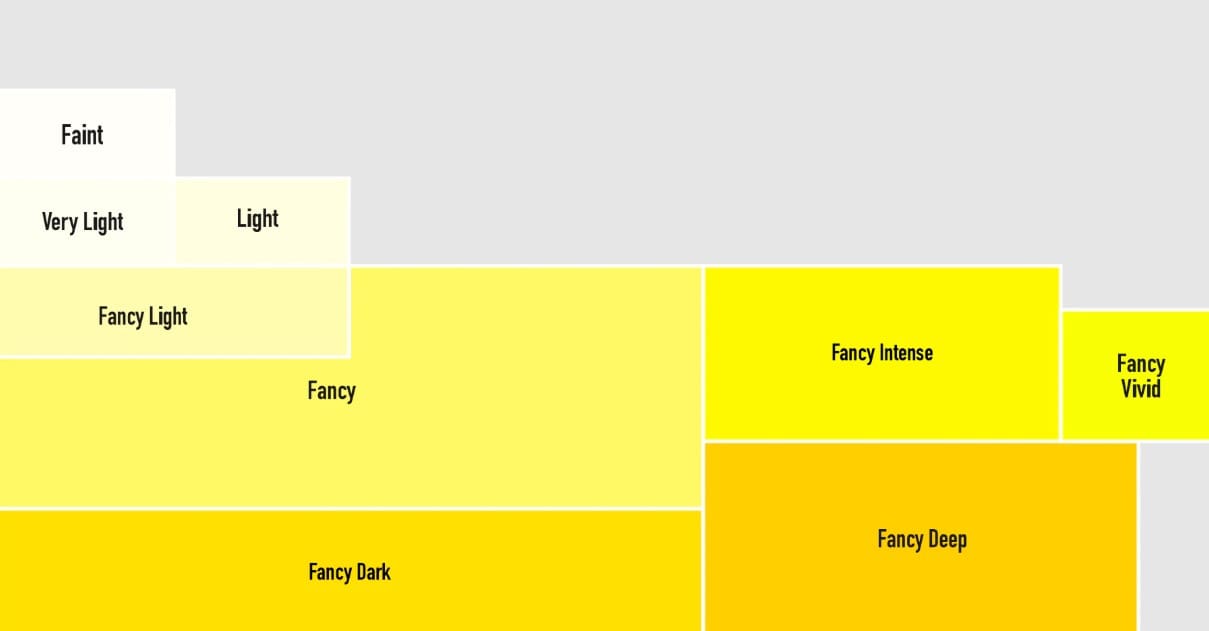
Yellow is one of the most recognizable colors in the world, often associated with warmth, energy, and positivity. As a primary color in the color wheel, yellow holds an essential place in both color theory and visual perception. This article explores various aspects of yellow, including how it’s made, its symbolic meanings, cultural significance, and practical applications.
Through this journey, we’ll answer common questions like: What colors mix to make yellow? What color turns to yellow? Can green and red make yellow? What color combinations of yellow exist? And explore its deep symbolic meanings. Let’s dive into the world of yellow!
Yellow in Color Theory
The color wheel is a fundamental tool for understanding color relationships, featuring primary colors—red, blue, and yellow—which serve as the foundation for creating all other colors. Yellow, as one of these primary colors, cannot be created by mixing other hues; it is considered a “pure” color that stands on its own. Unlike secondary colors such as green, orange, or purple, which result from combining two primary colors, yellow remains distinct. In color theory, yellow holds a significant role in both pigment mixing (RYB model) and light mixing (RGB model).
Mixing Primary Colors to Create Yellow
Yellow, as a primary color, plays a unique role in different color models. While it can appear through light-based color combinations, it remains distinct in traditional pigment mixing methods.
Red and Green in Additive Mixing
In the additive color model (used in digital screens and lighting), mixing red and green light results in yellow. This is because the RGB model, used in screens and digital media, is based on the additive process where colors are created by combining light. When red and green light combine, they create the perception of yellow light.
However, it’s important to note that this process only works with light. In traditional pigment mixing (subtractive mixing), such as with paints or dyes, combining green and red will not produce yellow.
Orange and Green in Subtractive Mixing
When it comes to subtractive color mixing, yellow remains a primary color. For example, combining red and yellow makes orange, and combining yellow with green typically results in various shades of green, but it does not produce yellow. Yellow is a distinct primary color and cannot be created by mixing other pigments in traditional art or design.
Table: Color Mixing and Yellow
Here is a table summarizing how different color combinations interact with yellow:
| Color Combination | Outcome | Explanation |
| Red + Green (Additive Model) | Yellow (in light-based mixing) | In the RGB model (used in digital screens), red and green light combine to produce yellow. |
| Red + Blue | Purple (not related to yellow) | In the traditional color model, mixing red and blue creates purple, not yellow. |
| Green + Yellow | Yellow-green (shade variation) | Mixing yellow with green creates a yellow-green, not pure yellow. |
| Red + Yellow | Orange (not related to yellow) | Mixing red and yellow creates orange, not yellow. |
Orange + Green | Brown (not related to yellow) | Mixing orange and green typically produces brown, not yellow. |
Yellow + Black | Darker yellow (mustard, etc.) | Mixing yellow with black darkens the tone, creating darker variations like mustard yellow. |
What Color Turns to Yellow?
Some colors, like green or orange, can appear to shift toward yellow under certain lighting conditions. For example, in bright sunlight, a greenish object may look more yellowish, or in artificial light, yellow tones can become more pronounced. This shift happens due to the way light interacts with the pigments or materials in the object.
Yellow is a versatile color, and there are numerous shades and tones of it. From pale lemon yellow to deep mustard yellow, variations in yellow can be created by mixing it with other colors.
What Color Combination of Yellow?
When combined with other hues, yellow takes on different characteristics. Mixing yellow with red creates warmer tones like orange, while mixing yellow with blue creates greenish tones. Adding white to yellow lightens it, producing pastel yellows, while black or gray can create darker, more muted shades like mustard yellow.
Common Myths About Color Mixing
Many misconceptions exist about how colors are created through mixing. One common myth is that green and red can be mixed to create yellow. In reality, while green and red can combine in digital displays (additive mixing) to create a yellowish effect, this is not the case with pigments or paints in traditional color mixing.
In the traditional color theory (RYB model), mixing green and red will result in a shade of brown or muddy color, not yellow. Yellow, as a primary color, remains distinct and cannot be created by mixing other colors.
Symbolism and Meaning of Yellow
Yellow is a color rich in symbolism, and its meanings vary widely depending on cultural and emotional contexts.
What Does the Color Yellow Mean?
Yellow is often associated with warmth, energy, and cheerfulness. It’s a color that symbolizes happiness, positivity, and creativity. Yellow has a stimulating and uplifting effect on the human mind, often evoking feelings of joy and optimism. It’s a color that grabs attention, which is why it’s frequently used in warning signs, school buses, and advertisements.
What Does Yellow Represent?
Yellow represents several things depending on the context:
- Caution and Warning: Think of yellow traffic lights and road signs, which are designed to grab attention and indicate caution.
- Intellect and Wisdom: Yellow is often linked to mental clarity and intellectual stimulation.
- Power and Wealth: In some cultures, especially in Asia, yellow represents power, wealth, and prestige.
Psychologically, yellow can stimulate the mind and increase concentration, which is why it’s sometimes used in learning environments.
Cultural Significance of Yellow
The significance of yellow varies greatly across cultures:
- In Eastern Cultures: In China, yellow symbolizes wealth, prosperity, and power. It’s a royal color, historically associated with the emperor.
- In Western Cultures: Yellow is often associated with happiness and joy. However, it also has associations with caution or cowardice (e.g., the term “yellow-bellied” for someone who is scared).
- In Religion: In certain religious contexts, yellow represents holiness and divinity, seen in religious garments and symbols.
Conclusion
Yellow is a color that carries a wealth of meaning and significance. From its role as a primary color in color mixing to its symbolic meanings of happiness, caution, and intellect, yellow has a profound impact on how we perceive and interact with the world. Whether it’s through its vibrant presence in nature, its importance in design, or its cultural significance, yellow continues to captivate and inspire.
Understanding how yellow is made and its symbolic meanings allows us to appreciate its powerful influence in art, design, and everyday life. Experiment with color mixing and see how yellow can add warmth, energy, and brightness to your world.