
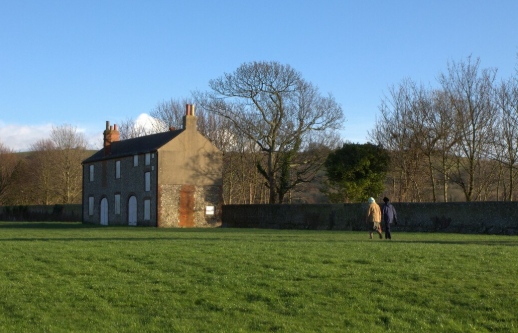
Every spring, the same collective ritual sweeps across Britain. You stand at the back door, cup of tea in hand, and squint at the garden with the cautious optimism of someone who may have let things slide just a little over winter.
This year, you tell yourself, will be different.
And then July arrives. The lawn is half-dead, the edges are unkempt, and there’s a dandelion so large it’s practically filing for planning permission.
British gardens—particularly across London and its surrounding commuter belt—are looking rougher than they have in years. But the reasons behind all that patchiness are more interesting than you might think.
The Underground Micro-Climate Crisis
Most city dwellers understand that rain and sun affect their grass, but few consider what’s happening beneath the topsoil of a converted Victorian flat.
London sits on a notoriously complex subterranean network of old brick foundations, buried rubble from ancient construction, and forgotten Victorian drainage pipes.
When a heatwave hits, these buried structures heat up like subterranean radiators, baking the soil from the inside out and scorching the roots above them.
This creates a highly localised heat-island effect right under your feet, leaving perfectly rectangular brown patches that mirror the old scullery wall hidden two feet below.
No amount of surface watering can cool down a buried chimney breast that’s radiating residual summer heat directly into your turf.
And because the topsoil in urban gardens is often incredibly shallow, the grass simply runs out of room to hide from these hidden architectural hotspots.
Shared Gardens and Communal Spaces
If you live in a converted flat or a terrace with a shared patch, you’re basically trapped in a classic tragedy of the commons.
You might be dreaming of a pristine velvet rug, but your upstairs neighbour views that exact same turf as a workshop for their oily bicycle maintenance.
Next door thinks it’s the perfect spot for an emergency midday barbecue, leaving scorch marks that look like charcoal outlines of giant coins.
In addition to that, trying to coordinate a weeding schedule with three other households who have entirely different definitions of ‘tidy’ is an absolute logistical nightmare.
One person thinks a wild meadow means letting three-foot dandelions bloom, while another wants to pave over the lot to store their wheelie bins.
The grass simply gives up under the weight of this existential confusion, retreating into bare, uneven spots.
Too Much Shade from Extensions
The architectural trend of the decade involves neighbours building massive, glass-fronted kitchen extensions right up to the property line.
While these structures look brilliant on property websites, they act as giant, sun-blocking monoliths for your actual garden. Your lawn, which used to enjoy a decent six hours of morning sunlight, is suddenly cast into permanent, subterranean darkness.
Grass needs light to photosynthesise, but it’s now trapped in a cold, damp micro-climate created by three different storeys of new brickwork. This prolonged lack of sunlight weakens the turf, lowering its resistance and leaving the ground vulnerable to hardier species.
Moss thrives in these exact dark, damp conditions, quickly spreading across the compacted soil and suffocating the remaining blades of turf. And you can’t exactly ask your neighbours to tear down their new home office just so your seeds can get some vitamin D.
Wear and Tear from Pets
A massive percentage of urban households acquired a furry companion over the last few years, and our outdoor spaces are paying the price.
Your adorable French bulldog or golden retriever treats your small patch of green as their personal, high-octane running track. They’ll sprint in the exact same tight circle every single afternoon, completely wreaking havoc on the structural integrity of your turf.
This relentless localised pacing strips away the top growth and aggressively grinds down any remaining vulnerable shoots.
A truly healthy plot requires regular attention, which is precisely why investing in quality lawn care has become a priority for busy professionals who want results without the labour.
Without that consistent foundation, the constant friction from paws ensures that grass never actually has a chance to establish roots. You’re left with a racecourse of bare earth that turns into a total mud bath the second a light drizzle hits London.
Foot Traffic from Delivery Drivers
Even if you manage to conquer your schedule and map out the buried brickwork, modern lifestyle habits introduce entirely new elements of friction.
The rise of the gig economy means a constant stream of delivery couriers, postal workers, and guests cutting corners across the front garden plot.
Those two quick steps off the paved path might seem entirely harmless, but multiplied by twenty deliveries a week, they create permanent desire lines.
The constant, pinpoint pressure from heavy boots can damage the delicate structure of the soil, crushing the microscopic air pockets that grass needs to breathe.
You’ll wake up to find thin, winding dirt tracks worn into the turf, marking the exact route from the front gate to your letterbox.
This modern type of wear and tear means our preference for quick home deliveries leaves an actual physical trail straight across the grass.
And then there are the trendy, heavy outdoor fire pits and modular garden furniture pieces that we rotate across the grass depending on the wind direction.
Each heavy metal leg leaves a permanent, compacted indentation that refuses to bounce back, creating a tiny basin where stagnant water pools and rots the seeds.
It’s an uphill struggle when the sheer physics of modern urban living are constantly working against the natural growth cycle of a fragile monoculture.
Conclusion
An urban lawn has a lot to contend with, from delivery drivers cutting corners to old Victorian foundations baking the roots from below.
But a few threadbare spots just mean the space is actually being lived in, not just curated for show.
With a bit of patience and a steady routine, those stubborn brown patches will clear out, leaving you with a bright, resilient space that is genuinely ready for summer.