
If you own property—whether it’s a residential home, investment rental, or commercial lot—you understand that maintenance is ongoing. You budget for roof repairs, HVAC servicing, and landscaping updates. But there’s one critical element many property owners overlook: professional tree care. Trees aren’t just aesthetic additions to your landscape. They’re significant assets that directly impact your property’s value, safety, and long-term financial health. Yet many owners treat tree maintenance as optional or attempt to handle it themselves, which often leads to costly problems down the line. Understanding why professional tree care belongs in your property investment strategy—alongside other essential maintenance—can save you thousands in avoided damage, liability, and depreciation.
Trees as Real Estate Assets
Before discussing maintenance, it’s important to recognize what trees actually represent in real estate terms. Studies consistently show that mature trees add measurable value to properties. A study by the Arbor Day Foundation found that properties with trees sell for 5-15% more than properties without them. In some markets, that translates to tens of thousands of dollars. But here’s the catch: this value only holds true if the trees are healthy, well-maintained, and not creating hazards.
A large, diseased oak tree hanging over your roof isn’t an asset—it’s a liability. A mature maple with structural problems is a financial risk, not a selling point. The difference between a tree that increases property value and one that decreases it often comes down to proper care and professional assessment.
The Hidden Costs of Neglecting Tree Maintenance
Property owners who delay or skip professional tree care often think they’re saving money. In reality, they’re gambling with significantly larger expenses. Here’s what typically happens:
Storm damage compounds. A tree with a weak crotch or poor branch structure will shed limbs during high winds. Each storm causes more damage. What starts as a few broken branches can escalate to structural failure, potentially crashing through your roof, fence, or into a neighbor’s property. Insurance may not cover damage from trees in poor condition—they consider it negligence.
Disease spreads and worsens. Many tree diseases are preventable or manageable if caught early. Dutch elm disease, oak wilt, anthracnose, and dozens of other conditions affect trees across different regions. A certified arborist can diagnose disease early and recommend treatment. By the time a tree is obviously sick, treatment options are often limited, and removal becomes necessary—a $5,000+ expense that could have been prevented.
Pest infestations go unaddressed. Carpenter ants, borers, scale insects, and other pests weaken trees from the inside. Professional arborists spot infestation signs early. Homeowners often don’t notice until the tree is already failing.
Root problems cause foundation and driveway damage. Trees with roots invading sewer lines, lifting concrete, or compromising foundations create expensive repairs. A professional assessment can identify these problems before they damage your home’s structure.
Property liability increases. If a tree on your property falls and injures someone or damages their property, you’re liable—especially if the tree was in obviously poor condition and you did nothing about it. Professional tree assessments create documentation that you took reasonable steps to maintain your property safely.
When Professional Tree Services Become Essential
For property investors and homeowners, knowing when to bring in professionals is key to protecting your investment. Here are the situations where professional tree care isn’t optional:
Initial property assessment. When you acquire a property with mature trees, have a certified arborist evaluate them. You need to know which trees are healthy, which are at risk, and what maintenance they’ll require. This assessment becomes part of your property maintenance budget and helps prevent surprises.
Storm damage response. After high winds, ice storms, or heavy snow, damaged trees require immediate professional attention. Broken limbs hanging over structures, split trunks, and uprooted trees pose serious hazards. Professionals remove these safely and document the damage for insurance claims.
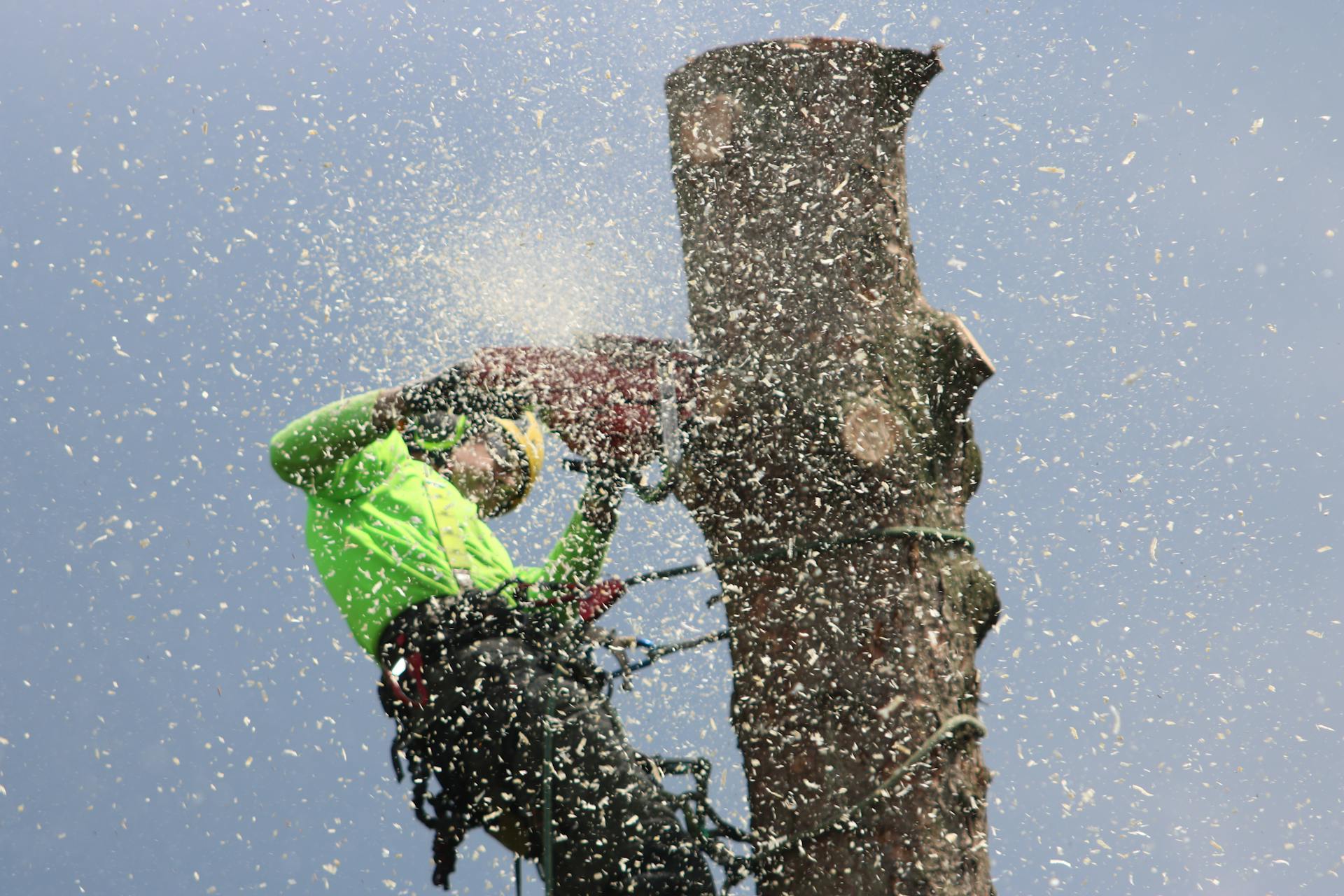
Tree removal. Removing a large tree is dangerous work. It requires specialized equipment, trained crew, and liability insurance. DIY removal or hiring uninsured, untrained workers puts your property and safety at risk. Professional removal ensures the job is done correctly and safely—and the company carries insurance if something goes wrong.
Structural pruning. Light pruning, you might handle yourself. Significant pruning—removing large branches, correcting poor structure, or removing codominant leaders—requires someone who understands tree physiology. Improper cuts create wounds that don’t heal, making trees vulnerable to disease and decay. If you’re trying to save a valuable tree, professional pruning is worth the investment.
Disease diagnosis and treatment. If a tree is declining and you’re unsure why, a professional diagnosis is essential. Is it a disease? Pest damage? Soil compaction? Poor drainage? Each requires different solutions. Treating the wrong problem wastes money and time while the real issue worsens.
Hazard assessment for insurance and liability. If you’re concerned a tree might pose a hazard, get a professional assessment. Documentation from a certified arborist carries weight with insurance companies and protects you legally if the tree later fails. It shows you took reasonable steps to maintain your property.
The ROI of Professional Tree Care
Here’s where property owners often shift their thinking: professional tree care isn’t an expense category—it’s an investment with measurable return.
Prevents costly damage. A $500-1,000 professional assessment that identifies a risky tree can prevent a $10,000-50,000 insurance claim or lawsuit. That’s a 10:1 to 50:1 return on investment.
Extends tree life. A tree that receives proper care—professional pruning, disease management, structural support when needed—can live decades longer than one left to decline. That’s decades of property value contribution instead of eventual removal and replacement cost.
Increases property value. Healthy, well-maintained trees add measurable value at sale time. Buyers see professional landscaping and tree care as a sign that the property has been maintained overall. It justifies a higher asking price.
Reduces liability exposure. Professional maintenance and assessment documentation protect you legally. It demonstrates you’ve taken reasonable steps to keep your property safe. That protection is worth significant value in terms of avoided lawsuits and insurance complications.
Improves curb appeal and marketability. When you eventually sell, properties with healthy, attractive mature trees sell faster and for more money than those without. Buyers appreciate the instant shade, privacy, and established aesthetic that mature trees provide.
Choosing Professional Tree Care
Not all tree care providers are equal. When selecting a professional for your property, look for:
Certified arborists. The International Society of Arboriculture (ISA) certifies arborists who meet education and experience standards. Certified arborists understand tree biology, proper pruning techniques, disease management, and safety protocols.
Local expertise. A tree care company familiar with your region understands which species thrive in your climate, which pests and diseases are common, and how local conditions (soil, water, wind exposure) affect tree health. Wayne’s Tree Service in NJ is an example of a local company with 30+ years serving the region—they understand Central New Jersey’s specific tree challenges and conditions.
Proper licensing and insurance. Your tree care provider should be licensed, bonded, and fully insured. This protects you if something goes wrong during the work. It also ensures they’re operating legally and meeting safety standards.
Transparent communication. A good arborist explains what they see, what they recommend, and why. They provide written assessments and quotes. They don’t pressure you into unnecessary work or use scare tactics. They help you prioritize based on your budget and the tree’s condition.
Safety-first approach. Professional tree work is inherently risky. A quality company prioritizes safety—for their crew, your property, and nearby structures. They use proper equipment, follow industry standards, and have safety protocols in place.
Building Your Tree Maintenance Plan
For property owners serious about protecting their investment, a maintenance plan makes sense:
Year 1: Have mature trees assessed by a certified arborist. Develop a prioritized list of needed work based on hazard level and condition.
Years 1-3: Address high-priority work—removing dead trees, correcting dangerous structures, treating identified diseases.
Ongoing: Schedule routine maintenance—annual inspections, seasonal pruning, monitoring for new issues.
Budget annually: Set aside funds for tree care as part of your property maintenance budget. This prevents scrambling when unexpected work is needed and allows you to address issues proactively rather than reactively.
Conclusion
Professional tree care might not be glamorous, but for property investors and homeowners serious about protecting their assets, it’s essential. Trees represent significant value in your property’s appearance, comfort, and actual resale price. They also represent potential liability if left unmanaged. The cost of professional assessment, maintenance, and care is small compared to the cost of damaged property, declined tree health, or legal liability from a tree failure.
Your property investment deserves comprehensive maintenance—roof, foundation, systems, landscaping, and trees. By treating professional tree care as part of that strategy rather than an optional expense, you protect your investment, increase your property’s value, and reduce your long-term liability. That’s smart property ownership.