

Introduction
For generations, success was often measured by the accumulation of possessions. A larger home, more vehicles, and the latest upgrades were seen as markers of achievement after years of hard work. However, a noticeable shift is taking place among retirees today. Instead of focusing on acquiring more things, many are prioritizing experiences that bring fulfillment, joy, and lasting memories.
This change reflects a broader reevaluation of what truly matters in life. Retirement provides a unique opportunity to step back, reflect, and redirect focus toward meaningful pursuits. As a result, experiences have become more valuable than material goods for many individuals entering this stage of life.
The Desire for Meaningful Living
One of the primary reasons retirees are choosing experiences over possessions is the desire for a more meaningful and purposeful lifestyle. After decades of working to build stability, many realize that material items do not provide the same level of satisfaction as shared moments and personal achievements.
Experiences such as traveling, volunteering, or learning new skills offer a sense of growth that possessions cannot replicate. These activities engage both the mind and emotions, creating memories that last far beyond the initial moment. Retirees often find that investing in experiences gives them a stronger sense of identity and purpose than simply acquiring more items.
Additionally, experiences tend to foster gratitude. Whether it is a quiet afternoon spent exploring a new place or a lively gathering with friends, these moments contribute to a deeper appreciation for life’s simple pleasures.
Reducing Clutter and Simplifying Life
Another important factor driving this shift is the desire to simplify. Many retirees reach a point where maintaining and managing a large number of possessions becomes more of a burden than a benefit. Downsizing and decluttering allow for a more streamlined and stress-free lifestyle.
By letting go of excess belongings, retirees free up both physical space and mental energy. This simplification often creates more room for experiences, such as travel or social activities, that take priority over material ownership.
Living arrangements can also play a role in this transition. Communities like Active Independent Living in Lewisville, TX, make it easier to focus on lifestyle rather than upkeep. With fewer responsibilities tied to property maintenance, residents can devote more time to activities that enrich their lives, such as group outings, hobbies, and social events.
Strengthening Relationships Through Shared Moments
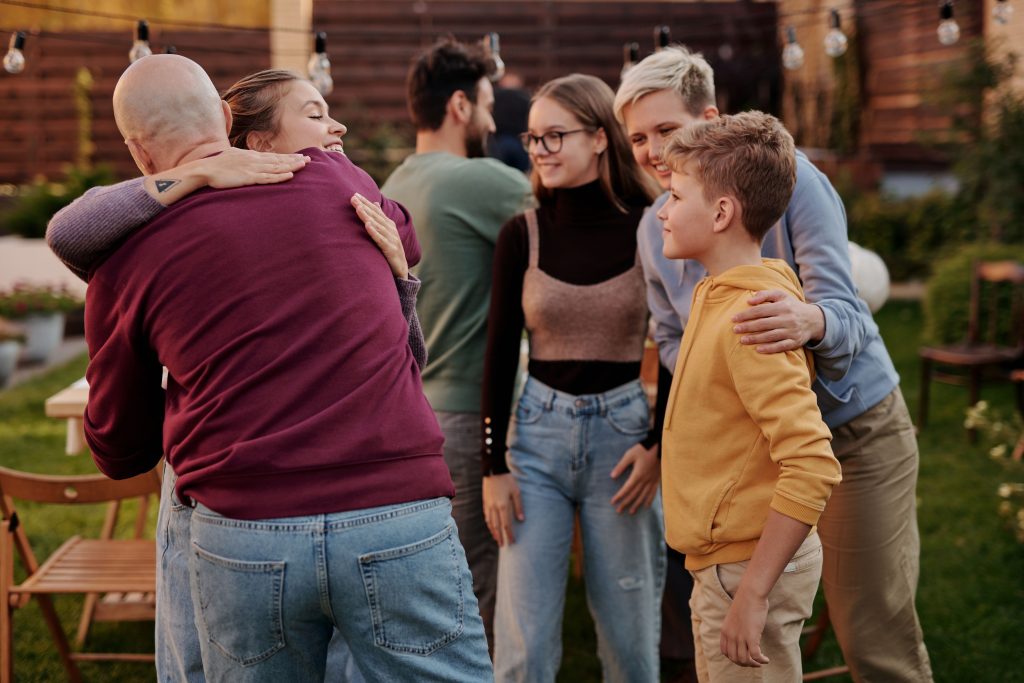
Experiences naturally bring people together, which is another reason they are becoming a priority in retirement. While possessions may be enjoyed individually, experiences often involve connection with others. This makes them a powerful way to strengthen relationships with family, friends, and even new acquaintances.
Traveling with loved ones, attending events, or participating in group activities creates shared memories that deepen bonds. These moments often become stories that are revisited for years, reinforcing the value of time spent together.
Retirees also tend to value these connections more as they age. With children grown and careers no longer at the forefront, there is more time to nurture relationships. Experiences provide a meaningful way to do this, turning everyday moments into lasting memories.
A Focus on Health and Well-Being
Prioritizing experiences can also have a positive impact on physical and mental health. Activities such as walking tours, fitness classes, or outdoor adventures encourage movement and engagement, which are essential for maintaining overall well-being in retirement.
Mental stimulation is equally important. Trying new activities, exploring unfamiliar places, or engaging in creative pursuits helps keep the mind active and sharp. These experiences contribute to a greater sense of vitality and can even improve mood and reduce stress.
Social experiences, in particular, are linked to better mental health outcomes. Being part of a community or regularly interacting with others helps combat feelings of isolation, which can be a concern for some retirees. By choosing experiences that promote connection, individuals can support both their emotional and psychological health.
Financial Perspective and Lasting Value
Interestingly, the shift toward experiences can also be influenced by financial considerations. While experiences may require an upfront investment, many retirees see them as offering better long-term value compared to physical possessions.
Material items often depreciate over time or lose their appeal, while experiences tend to grow more valuable in memory. A meaningful trip or a special event can provide lasting satisfaction that far exceeds the initial cost. This perspective encourages retirees to allocate their resources in ways that enhance their quality of life.
Additionally, focusing on experiences can lead to more intentional spending. Instead of purchasing items on impulse, retirees often plan and prioritize activities that align with their interests and goals. This mindful approach can lead to greater financial confidence and satisfaction.
Conclusion
The shift from possessions to experiences reflects a deeper understanding of what brings true fulfillment in retirement. By focusing on meaningful activities, simplifying their lives, and strengthening relationships, many retirees are redefining what it means to live well.
This approach not only enhances day-to-day enjoyment but also creates a lasting sense of purpose and satisfaction. As more individuals embrace this mindset, it becomes clear that the value of retirement lies not in what is owned, but in what is experienced.