


A family voyage begins before departure
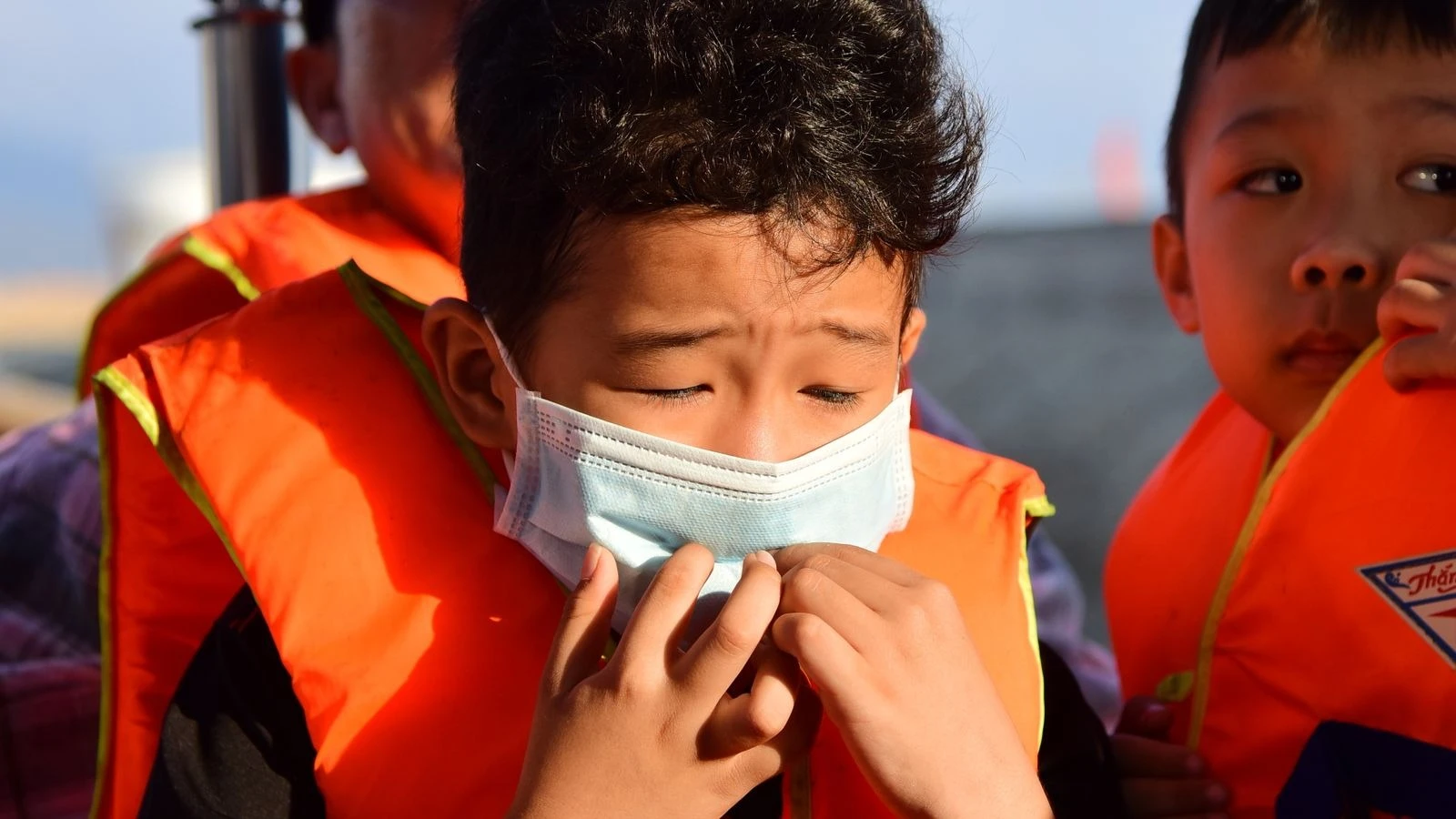
Boat travel can become one of the most memorable family experiences because it gives children a close view of the sea, wildlife, changing coastlines, and daily life aboard. Success depends less on covering a great distance and more on creating a rhythm that feels secure. Parents who prepare carefully can turn an unfamiliar setting into a place where children feel curious, involved, and relaxed.
Start by choosing a route with sheltered water, short passages, and several easy places to stop. A child who enjoys the first day is more likely to welcome the next one. Study the distance between harbors, identify calm anchorages, and keep an alternative destination ready. The best family itinerary leaves enough time for swimming, meals, rest, and unexpected discoveries.
Match the plan to each child
Age shapes what a child needs on board. Babies require shade, stable sleeping arrangements, and frequent quiet periods. Younger children benefit from simple routines and close supervision. Older children may want real responsibilities, such as checking a chart, helping with lines under guidance, or noting the boat position. Assigning a suitable role turns waiting time into participation.
Discuss the journey before leaving. Show children photographs of the boat, explain where they will sleep, and describe basic rules in clear language. A short visit to the vessel before departure is ideal. Familiarity reduces anxiety and gives parents a chance to notice practical issues while everyone is still ashore.
Make safety visible and easy to understand
Every child needs a properly fitted life jacket whenever conditions or local rules require it. Test the fit before the trip and make sure it cannot slide over the head. Establish simple boundaries about where children may sit, when they must ask permission to move, and which areas are reserved for adults. Repeat these rules calmly rather than waiting for a stressful moment.
Useful boat equipment should be selected with family movement in mind. Nonslip surfaces, reliable railings, safe boarding steps, cabin ventilation, and accessible lighting all make daily routines easier. Store sharp objects, cleaning products, tools, and medicines where children cannot reach them, even when the boat seems stable at the dock.
Practice the important actions
Children remember demonstrations better than long explanations. Show them how to hold a handrail, move with three points of contact, and call an adult immediately if something falls overboard. Parents should also agree on who watches the children during docking, anchoring, and sail handling. One adult should have that responsibility without also managing a demanding maneuver.
Keep emergency information in a known location. Include contact numbers, medical details, allergies, and copies of essential documents. A compact first aid kit should cover cuts, sun exposure, mild burns, insect bites, and common childhood complaints. Ask a medical professional about any personal needs before traveling.
Build comfort into the day
Children often struggle with heat, hunger, boredom, or fatigue before they can explain the problem. Offer water regularly, provide sun protection, and serve familiar snacks before irritability appears. Lightweight clothing, hats, soft layers, and dry sleepwear help everyone adapt as conditions change.
Organize boat supplies so parents can reach essentials without opening several lockers. Keep drinking water, sunscreen, wipes, towels, snacks, spare clothes, and comfort items in predictable places. A small day basket for each child can prevent repeated searches and give children responsibility for a book, toy, or drawing set.
Plan entertainment that suits the setting
The sea already provides excellent entertainment when adults help children notice it. Create a wildlife list, count navigation marks, compare cloud shapes, or keep a simple travel journal. Bring a limited number of familiar activities that work in a small space. Cards, magnetic games, audiobooks, coloring materials, and story time are usually more practical than bulky toys.
Screens can be useful during long quiet periods, but they should not be the only option. Download content before departure because coverage may be unreliable. Protect devices from spray and keep charging needs in mind. A balance between observation, play, and rest makes the day feel varied without creating clutter.
Meals, sleep, and shore time
Keep meals simple and familiar, especially during the first days. Prepare ingredients in advance and avoid complicated cooking while the boat is moving. Give children secure places to sit and use cups or dishes that are difficult to spill. If anyone feels unwell, bland food, fresh air, and a view of the horizon may help.
Sleep arrangements deserve a trial before a long journey. Check that each berth has ventilation, a reading light, and a barrier when necessary. Preserve the usual bedtime routine with a familiar story, toy, or blanket. Boats make new sounds at night, so explain pumps, lines, and water against the hull before lights go out.
When cruising in Spain, local tiendas nauticas online can help families compare child sized safety gear or replace an item before the next leg. Order only when delivery timing and marina access are clear, and confirm that every product meets the relevant safety requirements.
Leave room for flexibility
A successful family boat trip is not measured by the number of miles completed. If children are tired, shorten the passage. If a calm beach becomes the highlight, stay longer. Weather, mood, and energy will change, and the plan should respond. Flexible parents create the sense that the journey is working, even when the original schedule changes.
Finish each day with a brief family check. Ask what everyone enjoyed, what felt difficult, and what they would like tomorrow. Small adjustments to meal times, activities, or passage length can transform the next day. With patient preparation and realistic expectations, boat travel gives families rare time together and stories that children may remember for years.