
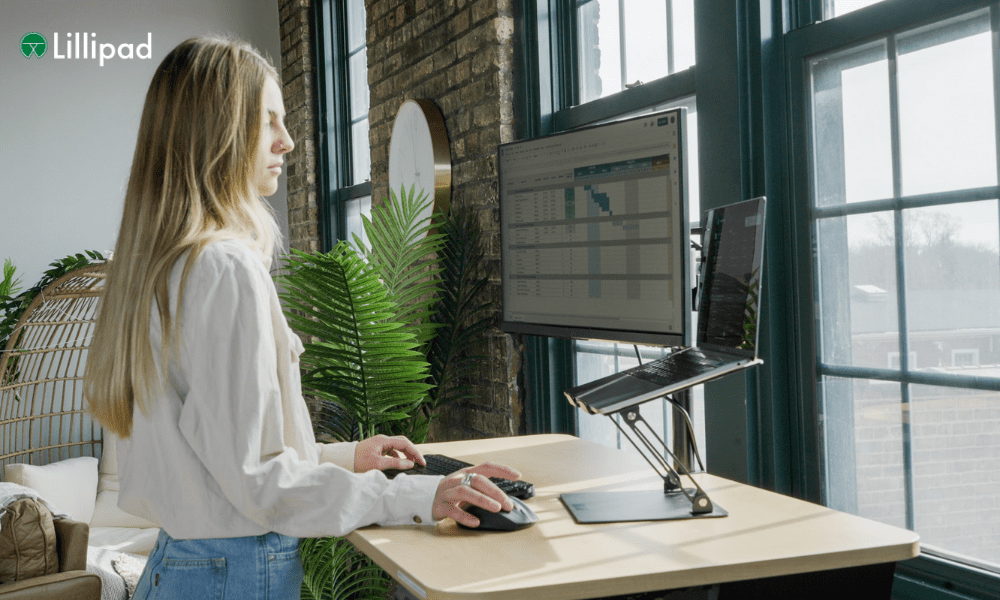
As work environments continue to evolve, one piece of office furniture is quietly reshaping how people approach productivity, focus, and daily workflow: the electric standing desk. Once considered a niche upgrade reserved for tech companies and executive offices, sit-to-stand desks are now becoming a common fixture in home offices, shared workspaces, and corporate environments alike.
This shift is not driven by trends or aesthetics alone. It reflects a broader rethinking of how workspaces support concentration, adaptability, and the rhythm of modern work.
The Changing Nature of Workspaces
The traditional office desk was designed for a different era, one defined by fixed schedules, stationary tasks, and clearly separated work environments. Today’s professionals operate in a far more dynamic setting. Hybrid schedules, remote work, and flexible hours have changed how and where work happens.
As a result, workspaces are being redesigned to support a variety of tasks throughout the day. Sitting for long stretches, then transitioning to collaborative calls, creative sessions, or focused planning requires furniture that can adapt just as quickly as the worker does.
Electric standing desks respond to this reality by allowing users to shift positions seamlessly, without interrupting workflow or focus.
What Sets Electric Standing Desks Apart
Unlike manual desks, electric sit-to-stand desks use motorized controls to adjust height smoothly and precisely. This allows users to move between seated and standing positions with minimal effort and without disrupting their workspace setup.
Key features driving adoption include:
- Instant adjustability for different tasks and preferences
- Programmable height settings that save time and reduce friction
- Quiet motors that maintain a calm work environment
- Stable surfaces suitable for monitors, laptops, and accessories
- Design flexibility that fits modern home and office interiors
These features make electric standing desks less about “standing all day” and more about choice and adaptability.
Sit-to-Stand Desks and Productivity Culture
Productivity today is no longer measured by hours spent at a desk but by output, clarity, and sustained attention. Many professionals find that changing positions throughout the day helps them reset focus and maintain momentum across long work sessions.
Standing during brainstorming, reviewing notes, or participating in virtual meetings can feel more engaging than remaining seated for every task. Conversely, sitting during detail-oriented work or long writing sessions can support concentration and precision.
Sit-to-stand desks allow users to match posture with task, creating a workflow that feels more intentional and responsive rather than rigid.
A Design Shift Toward Flexible Workstations
Interior designers and workspace planners are increasingly prioritizing flexibility over static layouts. According to multiple industry design publications, adjustable furniture is now considered a foundational element of functional workspace design rather than a specialty upgrade.
Modern offices and home workspaces are incorporating:
- Height-adjustable desks
- Modular storage solutions
- Multi-use work surfaces
- Open layouts that encourage movement
Electric standing desks fit naturally into this design philosophy by serving as an anchor piece, one that supports multiple working styles within the same footprint.
Supporting Focus in Hybrid and Remote Work
Remote and hybrid work have blurred the boundaries between professional and personal environments. Many people now work from spaces that must accommodate multiple roles throughout the day, including office, meeting room, creative studio, and personal living area.
Electric sit-to-stand desks help create a sense of structure within these flexible environments. The simple act of changing desk height can signal a transition between tasks, helping users mentally shift from one mode of work to another.
This adaptability has made standing desks especially popular among professionals who value autonomy over their workspace and workflow.
Why Standing Desks Are Moving Beyond Trend Status
What distinguishes the current rise of electric standing desks from earlier waves of interest is longevity. Rather than being framed as a temporary productivity hack, sit-to-stand desks are increasingly viewed as long-term infrastructure investments.
Organizations and individuals alike are recognizing that adjustable workstations:
- Support evolving work styles
- Accommodate different users over time
- Remain useful across job roles and career stages
- Adapt to changing technologies and devices
This durability makes them appealing not just for current needs, but for future-proofing workspaces as expectations continue to change.
The Role of Technology in Workspace Comfort
Advancements in motor technology and materials have significantly improved the reliability and usability of electric standing desks. Modern designs emphasize smooth motion, intuitive controls, and minimal maintenance.
As technology becomes more integrated into everyday objects, furniture is no longer passive, it responds to users in real time. Electric desks exemplify this shift by blending mechanical engineering with thoughtful design.
For many users, the ability to adjust their workspace at the push of a button reinforces a sense of control over their environment, which is increasingly valued in flexible work culture.
Electric Standing Desks in Shared and Collaborative Spaces
Beyond home offices, sit-to-stand desks are gaining traction in coworking spaces, creative studios, and collaborative offices. Their adjustability allows multiple users to share the same workstation comfortably, reducing the need for personalized desks in shared environments.
This versatility aligns with modern workplace strategies focused on:
- Space efficiency
- Multi-use environments
- Employee autonomy
- Design consistency across teams
As offices move away from one-desk-per-person layouts, adjustable desks provide a practical solution that supports diverse needs without customization for each user.
A New Standard for Modern Work Environments
The rise of electric standing desks reflects a larger shift in how people think about workspaces. Rather than asking employees or individuals to adapt to rigid environments, today’s design philosophy asks how environments can adapt to people.
Sit-to-stand desks embody this mindset by offering flexibility without complexity and adaptability without disruption.
As work continues to evolve, furniture that supports movement, focus, and choice is becoming less of a luxury and more of an expectation.
Looking Ahead
Industry analysts anticipate continued growth in adjustable desk adoption as hybrid work stabilizes and organizations invest in long-term workspace solutions. Electric standing desks are expected to remain a central feature of modern office design, not because they are novel, but because they align with how people actually work.
The modern desk is no longer just a surface, it’s a dynamic tool that supports productivity, creativity, and adaptability throughout the workday.
The Future of the Modern Workspace
Electric standing desks and sit-to-stand workstations represent a meaningful evolution in how workspaces are designed and used. Rather than encouraging a single, fixed way of working, these desks introduce flexibility into the workday, allowing people to adjust their environment as tasks, energy levels, and focus change.
This shift reflects a broader rethinking of productivity. Modern work is no longer linear or static, and the spaces that support it must be equally adaptable. Adjustable desks give users the ability to move between different modes of work without friction, supporting concentration during focused tasks and engagement during collaborative moments.
As organizations and individuals continue to rethink what an effective workspace looks like, furniture that prioritizes choice and adaptability is becoming part of the baseline rather than an optional upgrade. Electric standing desks fit naturally into this future, offering a practical response to evolving work habits without adding complexity or disruption.
Looking ahead, the modern workspace will be defined less by rigid layouts and more by tools that respond to how people actually work. Sit-to-stand desks are a clear example of this shift, helping create environments that support focus, flexibility, and long-term usability throughout the workday.
