
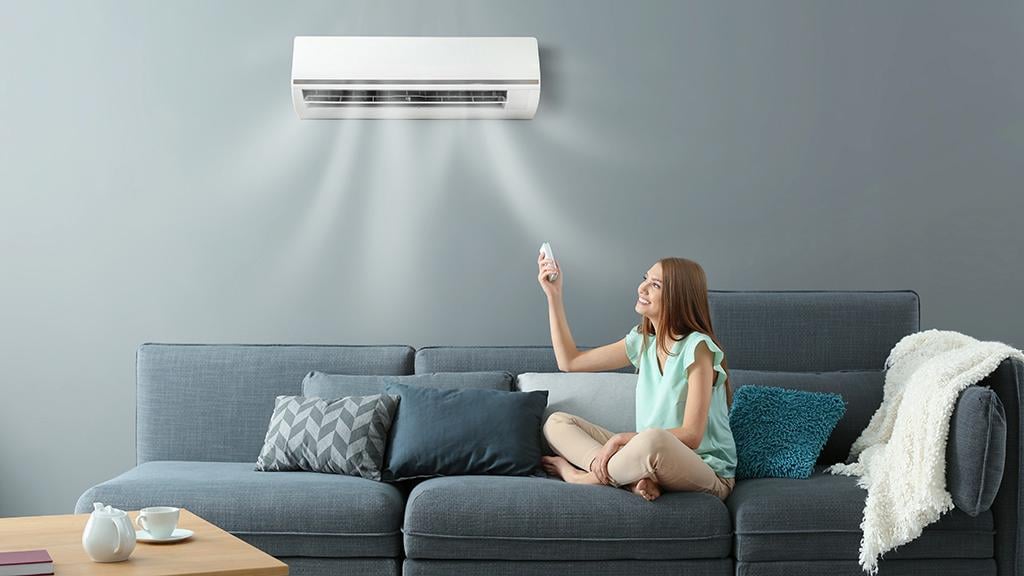
Choosing an air conditioner is not just about picking a popular brand or the latest model. One of the most important factors that homeowners often overlook is size. An incorrectly sized AC unit can lead to uneven cooling, rising energy bills, and long-term performance issues that cost far more than expected.
Many people assume bigger is better, but that is not always true when it comes to cooling systems. Understanding how sizing works can help you make a smarter decision, improve indoor comfort, and ensure your system runs efficiently for years.
Why Air Conditioner Size Matters More Than You Think
The size of your air conditioner directly affects how well your home stays cool and how much you spend on energy. When your system is properly sized, it maintains consistent temperatures without overworking itself.
A correctly sized unit:
- Keeps rooms evenly cooled
- Uses energy more efficiently
- Reduces wear and tear on components
- Improves indoor air quality
On the other hand, the wrong size can create ongoing discomfort and unnecessary expenses.
What Happens If Your AC Unit Is Too Small or Too Large?
Undersized AC Problems
If your AC unit is too small for your home, it will struggle to meet cooling demands. This often leads to:
- Continuous running without reaching the desired temperature
- Higher electricity bills due to overuse
- Increased strain on internal components
Oversized AC Problems
An oversized unit may cool the space quickly, but it creates a different set of issues:
- Short cycling (frequent turning on and off)
- Poor humidity control, making rooms feel damp
- Reduced lifespan due to repeated stress
Finding the right balance is essential for both comfort and efficiency.
Key Factors That Determine the Right AC Size
Several elements influence the ideal size of your air conditioner. It is not just about square footage.
Important factors include:
- Home size and layout: Larger homes need more cooling capacity
- Ceiling height: Higher ceilings increase the volume of air to cool
- Insulation quality: Well-insulated homes retain cool air better
- Climate conditions: Hotter regions require higher capacity systems
- Windows and sunlight exposure: More windows can increase heat gain
- Number of occupants: More people generate more indoor heat
Considering all these factors ensures a more accurate sizing decision.
Understanding BTUs and AC Sizing Basics
Air conditioner capacity is measured in BTUs (British Thermal Units). This number indicates how much heat the unit can remove from a space per hour.
As a general rule:
- Small rooms may need around 5,000–8,000 BTUs
- Medium spaces may require 10,000–14,000 BTUs
- Larger homes need significantly higher capacity systems
However, these are rough estimates. Relying solely on basic calculations can lead to incorrect sizing, especially in homes with unique layouts or insulation conditions.
How to Figure Out What Size Air Conditioner You Need
Determining the right AC size involves more than a simple guess. While online calculators can provide a starting point, professional guidance is often the best approach.
If you are unsure what size air conditioner will suit your home, reviewing expert recommendations and detailed sizing methods can help you avoid common mistakes. Many homeowners begin by estimating based on square footage, but this should always be adjusted based on real-world factors like insulation and climate.
Another way to approach this is by understanding what size air conditioner works best for your specific layout and cooling needs. This ensures that your system performs efficiently without wasting energy or compromising comfort.
Professional Load Calculation vs DIY Estimates
One of the most accurate ways to determine AC size is through a professional load calculation, often referred to as a Manual J calculation.
This process evaluates:
- Home structure and materials
- Air leakage levels
- Window placement and type
- Local climate data
While DIY estimates can be helpful for a rough idea, they often miss key details. Professional calculations provide a precise recommendation that prevents oversizing or undersizing.
Tips to Improve Cooling Efficiency After Installation
Even with the right AC size, your system’s performance depends on how well your home supports it. A few improvements can make a noticeable difference.
- Seal air leaks in ducts and walls
- Upgrade insulation in key areas
- Use programmable or smart thermostats
- Schedule regular HVAC maintenance
- Keep filters clean for better airflow
These simple steps can enhance efficiency and extend the lifespan of your system.
Conclusion
Choosing the right air conditioner size is one of the most important decisions you can make for your home. It affects not only your comfort but also your energy costs and long-term system performance.
By understanding the key factors involved and learning what size air conditioner is best suited for your space, you can avoid common pitfalls and make a more informed investment. Taking the time to get it right ensures a cooler, more comfortable home without unnecessary expenses.