
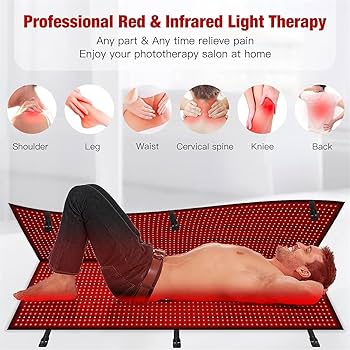
Red light therapy has gained attention as a modern wellness technology that uses specific light wavelengths to support the body’s natural processes. The effectiveness of these devices depends largely on the type of light used, as different wavelengths can interact with the body in different ways.
A Red Light Therapy Blanket typically combines red and near-infrared wavelengths to provide broader coverage during a session. Understanding how these wavelengths work can help users make better decisions when choosing a light therapy device for wellness and recovery purposes.
Understanding Red Light Therapy Wavelengths
Light wavelengths are measured in nanometers (nm), and each wavelength range has different properties. In red light therapy, the most commonly used wavelengths fall within the red and near-infrared spectrum.
Red light is generally associated with surface-level applications, while near-infrared light can reach deeper into the body. Many full-body therapy systems combine both types to provide a more complete experience.
Common Wavelengths Used in Light Therapy Blankets
Most quality red light therapy devices use a combination of wavelengths rather than relying on a single range. The most common options include:
Red Light Wavelengths (Approximately 600–700 nm)
Red light wavelengths are often used for surface-level wellness applications. They are commonly associated with supporting skin health and promoting a refreshed appearance.
These wavelengths are frequently included in light therapy devices because they provide comfortable exposure and are suitable for regular wellness routines.
Near-Infrared Wavelengths (Approximately 700–1000 nm)
Near-infrared light is designed to penetrate deeper than visible red light. It is commonly used in wellness and recovery-focused applications where deeper tissue exposure is desired.
Many users choose devices with near-infrared wavelengths because they provide a broader approach to full-body light therapy.
Why a Combination of Wavelengths Matters
A combination of red and near-infrared wavelengths allows a therapy blanket to provide different levels of light penetration. This makes the device more versatile for users who want to support multiple wellness goals.
Benefits of using combined wavelengths may include:
- Providing wider body coverage
- Supporting different layers of tissue exposure
- Creating a more balanced light therapy experience
- Allowing flexibility in wellness routines
Choosing the Right Wavelength for Your Needs
The best wavelength combination depends on individual preferences and wellness goals. There is no single wavelength that is ideal for every user, so it is important to consider factors such as treatment area, session comfort, and device specifications.
When comparing light therapy blankets, look for:
- Clearly listed wavelength ranges
- Adjustable intensity settings
- Comfortable design features
- Reliable safety instructions
How Wavelength Quality Affects Performance
The quality of a red light therapy device depends on more than just the wavelength range. Factors such as light intensity, coverage area, treatment time, and device design also influence the overall experience.
A well-designed system with appropriate wavelengths can provide consistent and comfortable sessions as part of a regular wellness routine.
Final Thoughts on Selecting the Best Wavelengths
The most effective red light therapy blankets typically use a combination of red and near-infrared wavelengths to provide a comprehensive approach. Understanding these wavelength ranges helps users choose a device that matches their personal wellness preferences.
By selecting a system with suitable wavelengths and following proper usage guidelines, individuals can create a safe and effective light therapy routine that supports their overall wellness goals.