

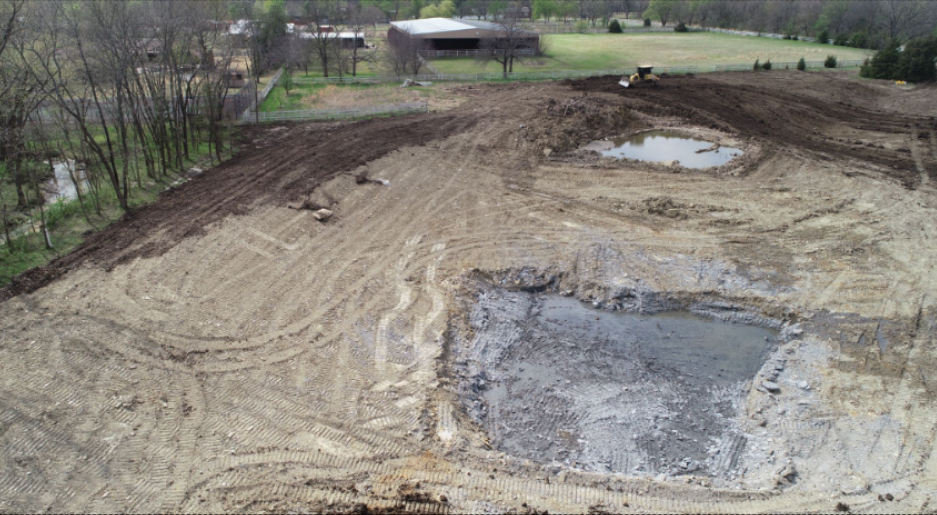
A pond can change the way a property looks, works, and feels. It may add visual interest, support drainage goals, create a watering source, improve wildlife habitat, or give a large outdoor space a calm focal point. Still, pond building is not just digging a big hole and hoping rain handles the rest. Professional pond construction involves excavation, slope shaping, soil evaluation, water management, access planning, and material handling. In the Tulsa area, where soil, weather, runoff, and land use can vary, a well-planned pond starts with practical questions about water, overflow, use, and site shape.
T&J Excavating lists pond building among its excavation services, along with dozer work, home sites, dump trucking, septic systems, parking lots, utility lines, gravel driveways, demolition, and dirt-related services. Here are five smart tips for planning a pond that is attractive, functional, and built with the ground in mind.
1. Start With the Purpose of the Pond
The first step is deciding what the pond needs to do. A decorative pond near a home has different needs than a farm pond, drainage pond, livestock pond, or larger landscape feature. Purpose affects size, depth, shape, slope, location, and long-term maintenance.
If the goal is beauty, the design may focus on visibility, shoreline shape, access, and how the pond fits into the surrounding landscape. If the goal is water management, drainage and overflow become the stars of the show. If wildlife is important, banks, vegetation, depth variety, and safe water access may be considered. A pond can have more than one purpose, but each purpose should be named before excavation begins.
This planning also helps avoid overbuilding or underbuilding. A pond that is too shallow may struggle with water quality and vegetation growth. A pond in the wrong location may collect too much sediment or fail to hold water well.
2. Choose the Right Location Before Digging
Location can make or break a pond project. A good site should be evaluated for soil type, natural drainage, slope, runoff area, access for equipment, distance from structures, and surrounding land use. The ideal spot is not always the lowest area on the property, even if water already likes to gather there. Sometimes that low spot has poor soil, messy runoff, or access issues waiting to cause trouble.
Soil is especially important because ponds often need material that can hold water or be compacted effectively. Sandy or rocky conditions may require different planning than clay-heavy soils. A site with too much organic matter, buried debris, or unstable fill can create long-term problems.
Equipment access is another practical detail. Excavators, dozers, and dump trucks need room to move safely. If the chosen site is difficult to reach, the project may take longer or require additional preparation.
3. Plan Drainage, Overflow, and Shoreline Shape
Water is the main character in any pond project, and it needs direction. Pond construction should consider where water enters, how it collects, how sediment is managed, and where excess water goes during heavy rain. Without overflow planning, water may wash over banks, erode soil, or move toward areas that should stay dry.
Shoreline design also matters. Gradual slopes can improve safety and make maintenance easier, while steeper areas may be needed in certain sections. A well-shaped pond can reduce erosion and create a cleaner finished appearance.
Material removed during excavation should also be planned. Some soil may be useful for shaping banks or improving nearby grades. Other material may need to be hauled away. Coordinating digging, shaping, and hauling helps keep the site cleaner and more efficient.
For material and site preparation information related to local dirt work, customers can visit the Tulsa Dirt Site.
4. Use Fill Dirt and Grading Strategically
Fill dirt can play an important role in pond building when surrounding grades need to be shaped, low spots need correction, or access routes need improvement. However, fill should be used thoughtfully. Poor material placement can settle, wash out, or interfere with drainage. Good placement can help create smoother transitions, better banks, and more usable land around the pond.
Grading around the pond should guide surface water in a controlled way. Runoff that enters too aggressively can bring sediment, trash, or erosion problems. Runoff that is blocked completely may reduce the water supply.
Compaction also matters. Areas around the pond may need stable ground for mowing, walking, equipment access, fencing, or future landscaping. Proper grading helps the finished project feel integrated instead of looking like a hole was carved into the property and abandoned with confidence.
For customers comparing local soil and material needs, Fill Dirt in Tulsa, OK can be part of the planning conversation for construction, landscaping, and site preparation work.
5. Think About Maintenance Before the Pond Is Finished
The best time to think about pond maintenance is before construction is complete. Access for mowing, bank care, sediment control, and future cleanout should be considered during the design. If the pond is impossible to reach with equipment later, maintenance can become more expensive and frustrating.
Vegetation planning is also important. Grass, native plants, or managed shoreline growth can help reduce erosion, but uncontrolled brush and trees may create access issues or bank damage. The surrounding land should be shaped so that routine care is realistic.
Long-term pond performance depends on site conditions, water source, soil, drainage, and use. Building with maintenance in mind helps protect the investment.
Building a Pond Starts With Building a Plan
Pond building combines excavation skill with practical land planning. The finished pond may look peaceful, but the construction process requires decisions about purpose, location, soil, drainage, grading, overflow, and access. Each choice affects how the pond looks and functions over time.
For Tulsa-area property owners, a well-built pond can support beauty, utility, drainage, wildlife, and land value when it is planned correctly. With the right excavation plan, suitable materials, and attention to long-term care, a pond can become one of the most useful and enjoyable features on the land.