

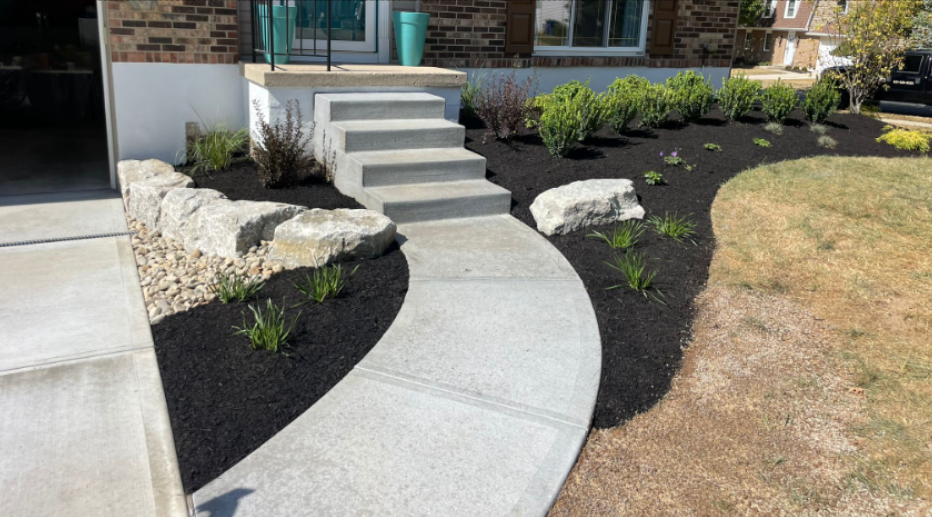
A yard can be more than grass, mulch, and a few chores. With the right outdoor living and landscaping plan, it can become a place to cook, gather, relax, garden, play, and move through the day. For homeowners, the challenge is not dreaming up ideas. It is figuring out how landscaping, drainage, irrigation, hardscaping, lighting, and maintenance should all fit together.
Cable Bros Outdoor Living & Landscaping describes services that include landscape design and installation, hardscapes, drainage, irrigation, lighting, water features, maintenance, and commercial outdoor work. This matters because outdoor spaces work as connected systems. A patio affects drainage. Plant beds affect irrigation. Lighting changes how a walkway feels after sunset. Maintenance helps everything stay organized long after installation.
1. Start With a Clear Outdoor Vision
An outdoor plan begins with simple questions. How should the space be used? Is the goal to create a backyard gathering area, improve curb appeal, fix drainage issues, or make the yard easier to maintain? A clear vision helps guide every decision that follows.
This does not mean the entire property needs to be redesigned at once. Sometimes the right starting point is a small front landscape refresh. Other times it may be a patio, walkway, or drainage correction. When the overall direction is clear, each improvement can support the next one instead of feeling like a random upgrade.
2. Use Landscape Design to Organize the Property
Landscape design brings structure to outdoor ideas. It helps decide where planting beds, trees, turf, patios, walkways, walls, and focal points belong. A design can also consider sunlight, shade, slope, soil, and how people move around the property.
Good planning is practical as well as visual. A planting bed should look attractive, but it should also be sized for maintenance. A walkway should look natural, but it should also connect the areas people use. A patio should feel inviting, but it also needs room for furniture, movement, and drainage.
3. Choose Plants for Real Site Conditions
Plants bring life, texture, color, and seasonal interest to a yard. Still, plant selection works better when it is based on conditions rather than impulse. Sun exposure, soil moisture, mature size, root space, and maintenance needs all matter.
A sunny bed may call for different plants than a shaded side yard. A low area may need moisture-tolerant plantings or drainage work before installation. Shrubs should be placed with their mature width in mind, not just how they look at the nursery. This kind of planning helps the landscape grow into itself.
For homeowners comparing outdoor service options, Outdoor Living Contractor provides information about landscaping, hardscaping, irrigation, drainage, lighting, water features, and related services.
4. Make Drainage Part of the Conversation Early
Drainage is one of the important parts of outdoor planning, even if it is not the most glamorous. Water that collects near the home, washes mulch from beds, damages turf, or settles across walkways can make a yard harder to use and maintain.
A drainage plan may include grading, French drains, catch basins, dry creek beds, swales, or other property-specific solutions. The goal is to guide water in a controlled way. Addressing drainage before installing new beds, sod, patios, or walls can help protect the work and reduce future frustration.
5. Add Irrigation for Consistent Plant Care
Irrigation can make landscape care more manageable, especially for new plantings and lawns. Different parts of a property may need different watering methods. Turf, foundation beds, trees, and sunny garden areas do not always require the same amount of water.
A planned irrigation system can divide the property into zones and support more consistent watering. Smart controllers, rain sensors, and drip irrigation may help reduce guesswork when used correctly. Irrigation is not about watering everything more. It is about matching water to the needs of the landscape.
6. Build Hardscapes That Create Usable Space
Hardscapes are the built features that turn a yard into an outdoor living area. Patios, walkways, steps, retaining walls, fire features, seating walls, and paver areas help define how the space functions.
A patio can become a dining area. A walkway can create a comfortable path from the driveway to the backyard. A retaining wall can help manage a slope while adding structure. These features need careful installation because base preparation, slope, compaction, edging, and drainage affect long-term performance.
7. Use Lighting to Extend Outdoor Enjoyment
Landscape lighting can make an outdoor space more usable after sunset. It can improve visibility along walkways, steps, entries, and gathering areas. It can also highlight trees, walls, water features, and architectural details.
The most effective lighting usually feels subtle. It supports safety, comfort, and atmosphere without overwhelming the yard. When lighting is planned with the rest of the outdoor design, fixtures and wiring can be integrated more cleanly.
8. Consider Water Features for Sound and Movement
Water features can add a calm, engaging element to a landscape. Fountains, bubbling rocks, ponds, pondless waterfalls, and water gardens can create motion, sound, and a visual focal point.
Placement matters. A water feature should be easy to enjoy from a patio, walkway, window, or seating area. It should also be planned with maintenance, power access, water movement, and surrounding plantings in mind. When designed thoughtfully, water can make the yard feel more alive without making it feel busy.
To learn more about outdoor living, landscape design, irrigation, drainage, hardscapes, lighting, water features, and maintenance, visit Cable Bros Outdoor Living & Landscaping.
9. Keep Maintenance Realistic
Every outdoor space needs care. Mowing, pruning, mulching, cleanup, edging, irrigation checks, and seasonal adjustments all affect how the property looks over time. A beautiful design can become difficult if it requires more work than the homeowner wants to manage.
Maintenance should be discussed during planning. Some people enjoy hands-on garden care. Others want a cleaner layout with fewer demanding plants. Matching the design to the desired maintenance level helps the yard stay enjoyable.
10. Bring the Whole Outdoor System Together
A complete outdoor plan looks at the property as one connected system. Landscaping adds beauty and softness. Hardscapes create structure. Irrigation supports plant health. Drainage protects the work. Lighting extends use into the evening. Maintenance keeps the space looking cared for.
That connected approach can make outdoor projects feel less overwhelming. Instead of chasing one issue at a time, homeowners can understand how each service supports the bigger picture. The result can be a yard that feels practical, welcoming, and ready for everyday life.
Bringing the Outdoor Plan Together
Outdoor living and landscaping work best when each part of the property is considered together. A yard may need better drainage, new plantings, a patio, lighting, irrigation, or regular maintenance, but those services often support one another. When the plan is organized from the start, the finished space can feel more comfortable, more useful, and easier to enjoy throughout the seasons.
For homeowners, the value of a complete outdoor living plan is clarity. It helps identify what the property needs now, what can be added later, and how each improvement can fit into the larger picture. With thoughtful planning and professional service, an outdoor space can become a practical extension of the home rather than an area that only gets attention when something needs fixing.