

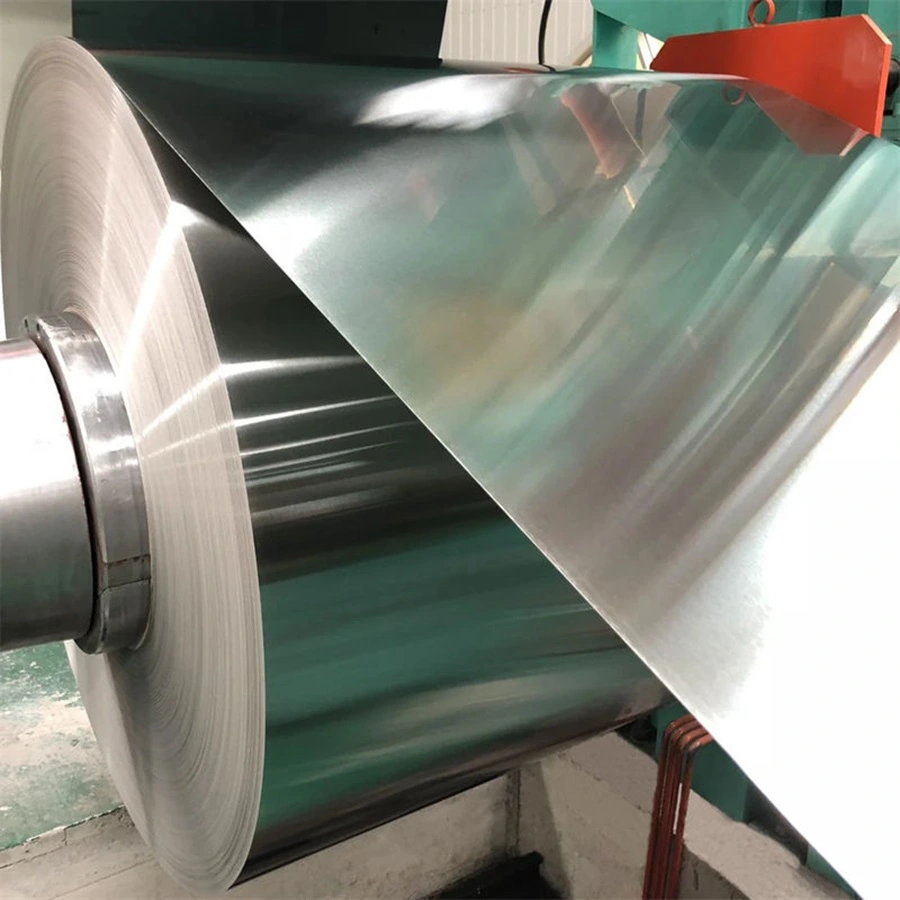
In today’s fast-evolving hardware landscape, structural and chemical innovations are just as critical as silicon advancements. Among these foundational engineering materials, the implementation of precision stainless steel foil has quietly become a cornerstone of modern electronics manufacturing. As consumer devices, industrial sensors, and power systems shrink in size while increasing in performance, standard polymers and traditional metals frequently reach their physical limits.
From flexible printed circuits (FPCs) and smartphones to complex aerospace enclosures and advanced electric vehicle battery systems, this ultra-thin metal layer delivers structural, chemical, and thermal properties that few alternative materials can match.
Defining Stainless Steel Foil: Gauge and Metallurgy
By definition, stainless steel foil represents an ultra-thin iteration of stainless steel alloys cold-rolled to precise thicknesses, typically staying well below a $0.2\text{ mm}$ threshold. To understand how mechanical engineers compress these rugged alloys down to such incredibly thin dimensions, it helps to explore the physics behind manufacturing limits, such as how thin can stainless steel foil actually get 0.01mm.
Despite its microscopic cross-section, the foil preserves the core crystalline structures and protective passive layers characteristic of heavy industrial steel plating. Within electronics architecture, engineers primarily utilize specific austenitic and martensitic alloy variants depending on the specific mechanical stresses of the end application:
- Grade 301 Foil: Highly valued for its rapid work-hardening characteristics. It offers excellent elastic memory, high fatigue resistance, and structural springiness, making it ideal for tactile dome switches and dynamic flexible hinges. To understand its fundamental metallurgical makeup, you can read our comprehensive breakdown on what is 301 stainless steel foil.
- Grade 304 Foil: The industry standard for balanced corrosion defense and general formability. It features a rich blend of chromium and nickel that resists ambient moisture, processing chemicals, and atmospheric oxidation. For specialized sourcing, working with a certified 304 stainless steel strip supplier ensures strict gauge consistency.
Core Performance Advantages in Electronics Architecture
The growing reliance on ultra-thin stainless steel alloys stems from a combination of mechanical and physical properties that polymers, copper, and aluminum cannot replicate simultaneously.
High Strength-to-Thickness Ratio
As hardware housings shrink, internal substrates must survive high mechanical stresses during assembly and daily operation. Stainless steel foil provides excellent tensile strength at a fraction of the thickness of alternative metals. This allows designers to trim dead weight and reclaim internal volume without risking structural buckling or tearing.
Comprehensive Chemical Passivation
Electronic assemblies are frequently exposed to harsh operating conditions, ranging from sweat and humidity on consumer wearables to corrosive chemical fumes in industrial process sensors. The chromium content in stainless steel forms an instantaneous, self-healing chromium oxide passive film. This microscopic layer stops corrosion propagation and prevents structural failures or electrical shorts.
Elevated Thermal Integrity
Modern high-performance electronics generate considerable thermal energy. Unlike plastic films that deform, outgas, or degrade under sustained thermal loads, stainless steel foil maintains its shape and mechanical properties over broad temperature ranges. It serves as an exceptional structural backing for intense thermal processing and heat shielding applications, which are detailed further in our technical stainless steel foil heat treatment guide.
Advanced Electromagnetic Shielding (EMI/RFI)
While copper and aluminum are the traditional choices for high-conductivity electrical pathways, stainless steel foil is highly effective for isolating sensitive components from electromagnetic and radio-frequency interference (EMI/RFI). Its unique magnetic permeability and structural density suppress stray fields, protecting signal integrity in densely packed multi-layered devices.
Key Hardware Applications Across High-Tech Industries
┌────────────────────────────────────────────────────────┐
│           Stainless Steel Foil Applications            │
└──────────────────────────┬─────────────────────────────┘
                           │
         ┌─────────────────┼─────────────────┐
         ▼                 ▼                 ▼
   [ Flexible FPCs ] [ EMI Shielding ] [ Battery Cells ]
Flexible Printed Circuits (FPCs)
Flexible electronics are transforming medical diagnostics, automotive dashboards, and fold-out smart devices. When used as a core reinforcing substrate or a flexible base layer, stainless steel foil offers superior mechanical fatigue resistance compared to traditional polyimide films. It endures hundreds of thousands of flex cycles without micro-cracking.
Compact Battery Systems and Current Collectors
In high-energy-density lithium-ion cells and solid-state battery designs, stainless steel foil acts as a protective barrier, structural casing, or specialized current collector. Its chemical inertness prevents it from reacting with volatile liquid electrolytes, ensuring long-term battery performance and safety.
Advanced Automotive Infrastructure
Modern vehicle architectures integrate a massive grid of control units, sensors, and high-voltage power networks. To protect these elements from vibration and harsh road conditions, engineering teams rely on rugged metal matrices, implementing stainless steel coil strip in automotive components to ensure lasting durability.
Material Matrix: Stainless Steel vs. Traditional Foils
Selecting the appropriate metallic substrate requires balancing specific application demands against the inherent trade-offs of each material class:
| Engineering Property | Stainless Steel Foil | Copper Foil | Aluminum Foil |
| Tensile Strength | Extremely High | Moderate | Low |
| Corrosion Defenses | Excellent (Passive) | Moderate to Poor | Good (Surface Oxide) |
| Thermal Defenses | Excellent | Good | Moderate |
| Electrical Conductivity | Moderate | Excellent | High |
| Flexural Fatigue Life | Extremely High | Moderate | Low |
| Relative Material Cost | Moderate | High | Low |
While copper remains the standard choice for trace routing due to its electrical conductivity, stainless steel foil is the preferred material when an application requires long-term environmental protection, structural durability, or high mechanical strength.
Precision Manufacturing and Quality Controls
Producing functional electronics-grade foil requires precise control over each phase of the metallurgical reduction process:
- Precision Cold Rolling: Master coils of raw steel are passed through high-pressure multi-high rolling mills. This step incrementally compresses the alloy to micro-gauge targets while ensuring uniform thickness across the entire width of the material.
- Controlled Atmosphere Annealing: Cold rolling work-hardens the steel, making it brittle. The material is then run through an annealing furnace filled with a protective inert atmosphere to restore ductility and relieve internal stresses without allowing surface oxidation.
- Slitting and Surface Finishing: Finally, the ultra-thin material is slit into narrow stainless steel strip widths or sheet profiles. Specialized surface polishes, chemical cleaning steps, or custom anchoring coatings are applied to ensure proper adhesion to electronic adhesives and polymers.
Emerging Trends and Future Technology Drivers
Device Miniaturization
As electronic components continue to shrink, there is a growing need for thin materials that can double as both a structural frame and an environmental barrier. Stainless steel foil provides the stiffness and protection needed for ultra-thin sub-assemblies.
Next-Generation Energy Storage
The transition toward fast-charging electric vehicles and long-lasting grid storage requires battery materials that can withstand high temperatures and chemical breakdown. Stainless steel foil meets these demands, supporting the development of more stable and reliable battery modules.
Technical Summary and Sourcing Matrix
Integrating precision stainless steel foil into your electronic components requires choosing the correct alloy grade, temper, and surface finish. Partnering with a reliable manufacturing supplier ensures that your materials meet strict thickness tolerances and are fully traceable back to the original melt heat number.
As an established global supplier, Myriad provides a complete portfolio of high-purity metal solutions tailored for precise engineering applications. Whether your project requires high-volume stainless steel coil stock for stamping, specialized 316 stainless steel coil lots for marine-grade equipment, or ultra-thin foil sheets for cleanroom assembly, our production lines deliver consistent quality and burr-free edges.
Explore our full line of industrial materials on our products directory, or contact our application engineering team directly through the contact us portal to discuss your specifications, request a quote, or secure sample materials for testing.
FAQs
Why is stainless steel foil used in electronics?
It is specified because it offers an exceptional combination of tensile strength, thermal stability, corrosion resistance, and EMI shielding within an ultra-thin form factor, protecting delicate electronics in demanding operating environments.
Is stainless steel foil better than copper foil?
Neither is universally better; it depends entirely on the design requirements. Copper is the preferred choice for high electrical conductivity and circuit trace routing. Stainless steel foil is selected when a design demands superior mechanical strength, resistance to high temperatures, or long-term corrosion protection.
Can stainless steel foil be used in batteries?
Yes. It is widely used in lithium-ion and solid-state battery designs as a current collector, structural wrap, or outer casing because it resists chemical reactions with volatile electrolytes and maintains its integrity under high thermal loads.
What specific foil thicknesses are used in electronics?
Electronics applications generally utilize ultra-thin foil gauges ranging from $0.01\text{ mm}$ up to $0.2\text{ mm}$, depending on the required flexibility and structural strength.
Is stainless steel foil environmentally friendly?
Yes. Stainless steel is fully recyclable, contains no volatile toxic elements, and features a long operational lifecycle that helps reduce electronic waste (e-waste).