
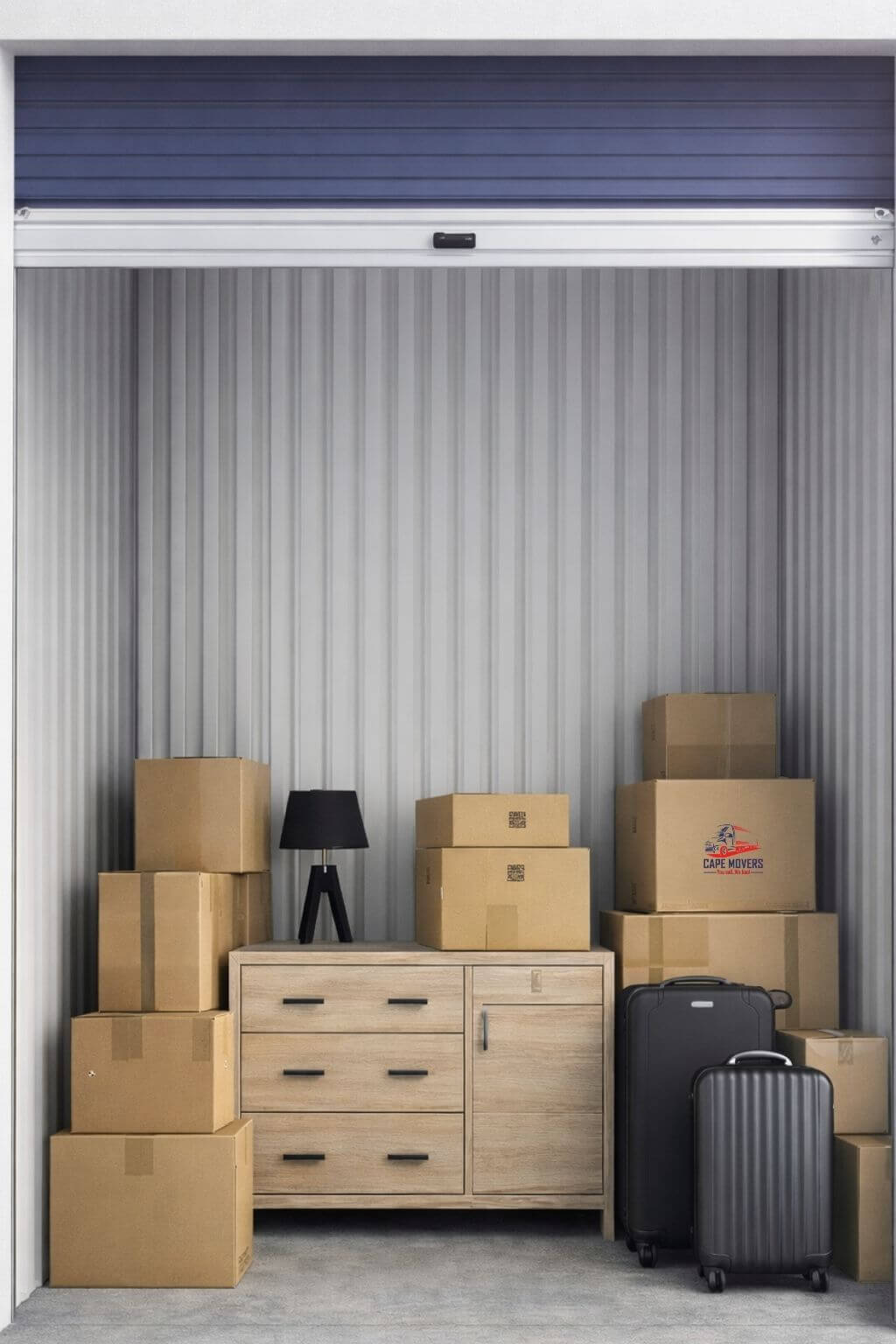
Finding the right storage unit can feel deceptively simple—until you realise there’s more at stake than just extra space.
A storage unit is more than a box; it’s security, convenience, and peace of mind wrapped into one. Whether you’re a homeowner, a small business, or relocating in Cape Town, making the right choice can save you money, stress, and even protect your valuable assets.
In this guide, we’ll go beyond the usual “size and price” advice and explore how to think like a storage strategist.
Step 1: Know What You’re Really Storing
Before looking at units, take a hard look at your items. Not all storage is created equal.
- Fragile items: Antiques, artwork, or electronics may need climate-controlled storage.
- Bulky furniture: Think vertical space and manoeuvrable layouts.
- Business inventory: You may need easy access for ongoing operations.
- Seasonal items: Bikes, surfboards, or holiday décor can tolerate less climate control but may require pest protection.
The key is to match the type of storage to the type of item, not just the size.
Step 2: Think Beyond Size
Everyone focuses on square meters or cubic footage—but there’s more to consider:
- Height matters: Tall shelves or furniture can make vertical space more valuable than floor space.
- Accessibility: Can you reach your items easily without unpacking everything?
- Layout and flow: Some units make it easy to walk around your belongings; others are tight and awkward.
A 10m² unit may look fine on paper, but poorly designed access points can make it frustrating to use.
Step 3: Location Is More Than Convenience
Sure, a unit near your home is convenient, but there are other factors:
- Traffic patterns: Avoid peak-hour delays if you’ll be accessing frequently.
- Safety of the area: Check crime rates and security measures in the suburb.
- Climate factors: Units near the coast may experience more humidity, affecting sensitive items.
In Cape Town, where microclimates vary dramatically from Table View to Muizenberg, geography matters for preservation.
Step 4: Security Measures You Should Actually Care About
Not all “secure” Self-Storage Locker facilities are equal. Here’s what really counts:
- CCTV cameras with monitoring
- Controlled access (keycards, PIN codes)
- Onsite staff during operating hours
- Individual unit alarms or locks
A plain gate isn’t security—it’s a false sense of safety. Think like a thief and ask, “What would it take to access my unit?”
Step 5: Climate Control Isn’t Optional for Everything
Climate-controlled units can seem expensive, but they’re essential for:
- Electronics and computers
- Wooden furniture and antiques
- Art and delicate fabrics
- Important documents
Even if you think your items are “safe,” humidity and temperature swings in the Western Cape can cause long-term damage.
Step 6: Accessibility and Flexibility
Ask yourself: how often will you need access? Some units restrict hours, while others let you enter 24/7.
- Frequent access: Go for units with extended or flexible access hours.
- Infrequent access: A more remote facility can save money.
- Large or heavy items: Make sure there’s drive-up access or freight-friendly entrances.
Accessibility is about more than convenience—it can dictate how smoothly you move in and out.
Step 7: Hidden Costs to Watch Out For
The sticker price rarely tells the full story. Watch for:
- Admin fees and insurance surcharges
- Charges for climate control or electricity
- Penalties for late payment or minimum lease periods
- Fees for oversized or irregular items
Transparency from the storage provider can save a lot of surprises later.
Step 8: Check Reputation and Reviews
Ask the tough questions:
- Have items gone missing or been damaged?
- Are staff responsive in emergencies?
- How long has the facility been in operation?
Sometimes the best unit isn’t the flashiest one—it’s the one with a proven track record of reliability.
Step 9: The “Storage Mindset”
Here’s a less obvious point: the mindset you bring to storage matters.
A unit isn’t just a temporary warehouse—it’s a micro-ecosystem. Items left haphazardly will degrade faster, even in a secure unit.
- Organise boxes logically
- Keep aisles clear for ventilation
- Avoid stacking heavy items on fragile ones
- Use pallets or risers to prevent moisture damage
Thinking strategically like this can make the difference between a chaotic mess and a perfectly maintained storage solution.
Step 10: Consider the Long Game
Finally, think beyond the immediate move.
- Are you likely to need additional space in the future?
- Can you upgrade or downsize without hassle?
- Will the unit accommodate seasonal changes in inventory or furniture?
A flexible provider can make future adjustments smooth, rather than forcing a repeat move later.
Pro Tip: Ask About Sustainability Practices
Some modern storage companies in Cape Town are integrating eco-conscious features:
- Solar-powered lighting and security
- Rainwater recycling for cleaning
- Sustainable construction materials
Choosing a facility with green initiatives can reduce your environmental footprint while keeping your belongings safe.
Case Study: Choosing Smart Storage for a Small Business
Challenge
A growing e-commerce company in Cape Town needed to store excess inventory while moving offices. They wanted security, climate control, and flexibility for irregular shipments.
Action
They consulted with a storage provider, toured multiple units, and selected a climate-controlled facility with 24/7 access, drive-up loading, and sustainable practices. Boxes were organised for easy retrieval.
Result
The company stored inventory safely, reduced handling errors, and maintained smooth operations during the office transition.
People Also Ask
How do I know what size storage unit I need?
Consider the total volume, height of items, and layout. Professional movers or storage advisors can help estimate accurately.
Is climate-controlled storage necessary in Cape Town?
For antiques, electronics, documents, or furniture, yes—humidity and temperature fluctuations can cause damage.
Can I access my unit anytime?
That depends on the facility—some allow 24/7 access, while others restrict hours.
How secure are storage facilities?
Look for controlled access, CCTV, onsite staff, and individual unit locks or alarms.
Key Takeaways
- Know your items first: their size, fragility, and climate sensitivity.
- Think beyond square meters: layout, accessibility, and vertical space matter.
- Prioritise security and climate control for valuable or delicate items.
- Factor in hidden costs and provider reliability.
- Plan for the long term: flexible storage options can save future hassle.
- Adopt a strategic storage mindset to maintain your items in optimal condition.
Choosing the right storage unit in Cape Town isn’t just about finding space—it’s about protecting what matters, reducing stress, and preparing for the future. Think beyond size and price, and you’ll end up with a storage solution that actually works.