
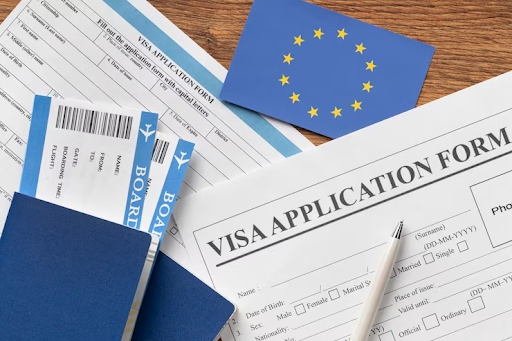
It’s a specific kind of bad surprise: a student books a flight home for a family event, starts packing, and only then realizes their visa stamp expired months ago. Legally, their F-1 status is fine — they’ve stayed enrolled, they’re in good standing. But that expired stamp means they can’t get back into the country once they leave, and now a trip that was supposed to be a few weeks away is tangled up in renewal paperwork with an uncertain timeline.
This happens more often than it should, mostly because of one persistent misunderstanding about how F1 visa renewal actually works.
The Confusion at the Center of This
A visa and a legal status aren’t the same thing, even though students often treat them interchangeably. F-1 status — the underlying legal permission to study in the U.S. — stays valid as long as a student remains enrolled and compliant with program requirements, regardless of whether the visa stamp in their passport has expired. The visa stamp itself is only relevant for entry into the country. A student who never leaves the U.S. can study for years on an expired visa stamp without any legal issue.
The problem only surfaces the moment travel enters the picture. And because the visa stamp doesn’t expire in a way that affects daily life — no warning notification, no impact on enrollment — it’s easy for students to lose track of it entirely until a trip is already being planned.
Why This Catches Even Organized Students
Most students are reasonably careful about academic deadlines, SEVIS updates, and program requirements, because those have direct, immediate consequences. Visa stamp expiration doesn’t have that same built-in urgency — nothing forces attention to it until international travel is on the table, which means even diligent students can go years without thinking about it, simply because there’s been no trip to prompt the check.
The fix isn’t really about being more organized in a general sense. It’s about building a specific habit: checking visa stamp validity the moment international travel is even being considered, not after flights are booked.
What the Renewal Process Actually Involves
Renewing isn’t typically complicated, but it does take real lead time. The process requires a current I-20 signed for travel within the last year by a designated school official, a completed DS-160 application, a scheduled visa interview at a consulate or embassy, and the standard documentation package — valid passport, financial evidence, proof of enrollment, and SEVIS fee confirmation.
The part that catches people off guard is the interview wait time, which varies enormously by consulate and time of year. Some locations have appointments available within days; others run several weeks to months out, particularly during peak seasons when many students are renewing around the same academic calendar windows. There’s no way to predict this reliably in advance, which is exactly why starting the process months before a planned trip — rather than weeks — matters so much.
A Realistic Timeline
Students with upcoming international travel should ideally start gathering documents and checking their visa stamp status around four to six months before the trip, even if formal scheduling isn’t possible that early. This gives enough buffer to absorb an unexpectedly long wait time at a particular consulate without derailing travel plans. Waiting until a month or two before departure leaves very little room for anything to go wrong — and something going wrong, even a minor documentation issue, is common enough that the buffer matters.
What a Designated School Official Can Catch Early
Schools that are SEVP-certified and experienced with international students typically have a DSO who can review a student’s SEVIS record, confirm the I-20 is current and properly signed for travel, and flag any potential issues — gaps in enrollment, program changes, prior status violations — before they turn into a problem at the visa interview itself. This kind of early review is one of the more underused resources available to students, largely because most don’t think to ask until a trip is already imminent.
Building the Habit
The students who avoid this particular crisis aren’t necessarily more organized across the board — they’ve just built one specific habit: treating any potential international travel as an automatic trigger to check visa stamp validity, well before booking anything. That single habit prevents the vast majority of last-minute renewal scrambles.
For students currently enrolled, even without travel plans on the immediate horizon, it’s worth checking now rather than waiting for a trip to prompt it. A five-minute look at a passport’s visa stamp expiration date today can save weeks of stress later — and it’s a far easier problem to solve with six months of runway than with three weeks and a non-refundable flight already booked.