
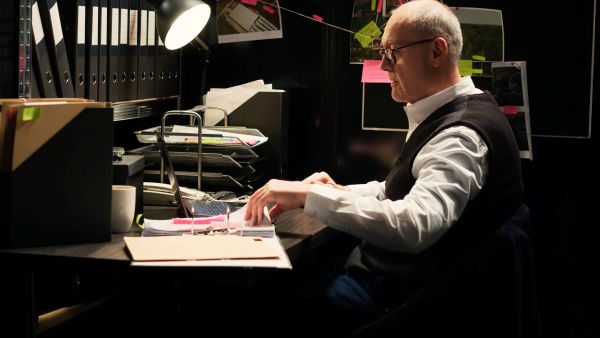
AI tools are getting really smart these days. They can scan images and spot differences super fast. So people often wonder if a human expert is even needed anymore. The truth is, yes, absolutely. An expert in handwriting analysis brings something no app or software can match: real training, a proven method, and the ability to explain their findings in court.
What Can AI Actually Do?
AI tools are not totally useless. They can look at two writing samples side by side. They can highlight spots where things look different. For a quick personal check, they can be handy.
But here is the thing. Spotting something that looks off is not the same as proving it. AI can raise a question. It cannot answer one in a legal setting. And in court or a financial dispute, “something seems weird” just does not hold up.
What AI Cannot See?
This is where the real gap shows up. Software works with images. Forensic examiners work with actual evidence. Those are totally different things. Handwriting forensic experts look at things a scan or photo will never capture:
- Pen pressure: How hard the writer pushed down at each part of the stroke. This shows speed, intent, and how the hand moved.
- Line quality: Whether strokes flow naturally or show pausing, shakiness, or odd stopping points.
- Stroke order and rhythm: The order of strokes was made, and whether they move the way a person normally writes.
- Tremor vs. disguise: A shaky signature could be from a sick or elderly person. Or it could be someone trying to copy another person’s handwriting. Only a trained expert can tell which is which.
- Tracing signs: Forgers sometimes trace over a real signature. This leaves specific marks. Those marks are invisible in a photo but show up clearly under the right tools.
- Natural variation: Real handwriting changes a little from day to day. Software often flags that as a problem. An expert knows the difference between normal change and a real red flag.
No software can do all of this at once, especially not on a real physical document.
Why Original Documents Are a Big Deal?
AI looks at pictures. Forensic experts look at documents. That difference matters a lot. Things like how deep the ink goes, how strokes overlap, and how ink soaks into paper fibers do not show up in digital images. A photocopy of a fake signature can look exactly like a copy of a real one. But under a proper forensic exam of the original, the truth comes out fast. This is why an expert in handwriting analysis always asks for original documents when possible. The original holds clues that the copy wipes out.
Why AI Opinions Do Not Work in Court?
Courts have strict rules about evidence. Findings must come from a real, qualified person who can explain how they reached their conclusion and defend it when questioned.
AI cannot be put on the stand. It cannot explain itself in plain words. It cannot be sworn in or questioned by the other side’s lawyer. For this reason, AI handwriting opinions are simply not accepted as real forensic evidence.
A forensic expert is different. They bring documented findings, clear exhibits, and walk the judge or jury through the whole process. Courts trust this because it is open, step-by-step, and accountable.
What a Forensic Expert Actually Does?
When handwriting forensic experts examine a document, they follow a clear process. First, they study the questioned document on its own. Then they compare it to verified known writing samples. After that, they weigh all the similarities and differences before forming an opinion.
This is not a gut feeling or a guess. Every observation is backed by physical evidence. Every conclusion can be explained out loud to a non-expert. Experts also think about context. What surface was the document written on? What kind of pen was used? Was the writer sick, stressed, or elderly? Software skips all of that. A trained expert does not.
When Should Someone Call an Expert Instead of Using Software?
Simple rule: if the outcome matters to anyone else, get an expert. Here are the most common situations:
- A signature on a will, contract, or deed looks suspicious
- A business document might have been changed
- A court or financial institution needs a real professional opinion
- A forgery claim is being made or defended
Final Thoughts
AI is a decent starting point. But it is not a finishing point. The gap between what software flags and what a forensic expert can actually prove is where real cases get decided. Technology reads pixels. A trained expert reads evidence. When something important is on the line, a human expert is the only real option.
