
Discovering a puddle on your floor or a stain on your ceiling can send a jolt of anxiety through any homeowner or business manager. Water damage is more than an inconvenience; it’s a pervasive threat that can silently undermine the structural integrity of a building and the health of its occupants. While the initial cleanup might seem straightforward, the hidden consequences can be extensive and costly.
Understanding the common sources of this problem is the first, crucial step in prevention. But when prevention falls short, knowing the path to professional recovery is equally vital. This article will explore the five most common culprits of water damage and illuminate how professional water damage restoration transforms a crisis into a resolved, secure situation.
1. Plumbing Failures: The Unseen Threat Within Your Walls
Your plumbing system is a network of arteries hidden behind walls and under floors. When it fails, the damage often begins long before you see any evidence.
- Leaky Pipes and Fixtures: A slow drip under a sink or behind a toilet may seem minor, but over weeks or months, it saturates cabinetry, warps flooring, and fosters mold growth. High humidity areas, like under-sink cabinets, are particularly vulnerable.
- Burst Pipes: This is a catastrophic event. A pipe can burst due to freezing (a common winter issue in colder climates where insufficient insulation leaves pipes vulnerable), corrosion, or excessive water pressure. The resulting deluge can flood multiple rooms in minutes, damaging everything from drywall to personal belongings and electrical systems.
- Appliance Malfunctions: The water supply lines to your washing machine, dishwasher, and refrigerator’s ice maker are under constant pressure. A ruptured supply hose can discharge hundreds of gallons of water in a short time. An aging washing machine hose, for instance, is a frequent offender in home flooding incidents.
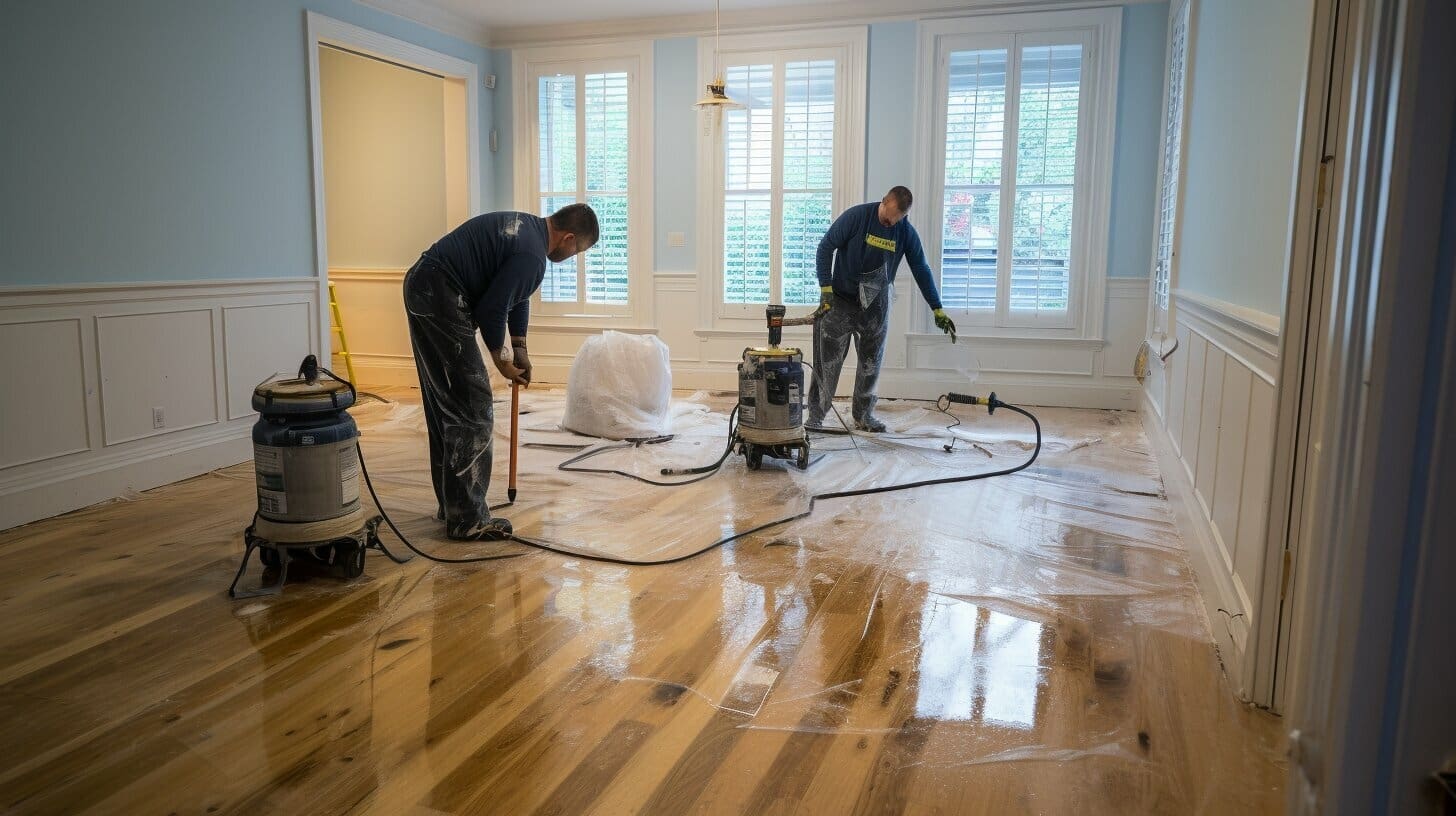
How Restoration Helps: Here, speed is non-negotiable. A restoration team doesn’t just remove standing water. They use moisture meters and thermal imaging cameras to detect hidden saturation within walls and subfloors. They then implement structural drying protocols, which may involve removing baseboards, drilling strategic holes, and using industrial-grade air movers and dehumidifiers to draw moisture out of building materials. This precise process prevents the warping, swelling, and mold colonization that a simple surface mop-up would miss.
2. Weather-Related Intrusions: When Nature Breaches Your Defenses
Rain, snow, and wind test the exterior shell of your property. Any weakness can become an entry point.
- Roof Leaks: Compromised or aging shingles, cracked flashing around chimneys or vents, and clogged gutters can all channel water into your attic and ceilings. You might first notice a brownish stain on a ceiling long after the rain has stopped.
- Foundation Leaks: Poor yard grading, cracked foundation walls, and failed sealants can allow groundwater or storm runoff to seep into basements and crawl spaces. This often appears as damp walls, efflorescence (white, chalky deposits), or pooling water along the edges of a floor.
- Window and Door Seal Failure: Over time, caulking and weatherstripping degrade, creating gaps. During a driven rainstorm, water can be forced through these gaps, damaging window sills, frames, and adjacent walls.
How Restoration Helps: After addressing the exterior breach, restoration professionals tackle the interior effects. This involves controlled demolition of soaked materials like wet insulation and drywall—materials that cannot be effectively dried in place. They then sanitize affected framing and surfaces to prevent biological growth before reconstruction can begin. Crucially, they help identify the interior extent of the damage caused by the exterior problem, ensuring the repair addresses the full scope.
3. HVAC System Issues: The Unexpected Culprit
Your heating, ventilation, and air conditioning system is designed for climate control, but it can become a significant source of moisture.
- Clogged Condensate Drain Lines: Air conditioners and high-efficiency furnaces remove humidity from the air, producing condensate that drains away through a PVC pipe. When this line clogs with algae or debris, the water can back up and overflow, often directly into your air handler or through the ceiling near the unit.
- Failed Humidifiers or Dehumidifiers: Integrated whole-home humidifiers that malfunction can introduce excessive moisture into your ductwork, condensing on cooler surfaces and promoting systemic mold issues.
How Restoration Helps: This type of damage is often localized but can affect critical systems. Restoration teams are adept at drying ductwork and addressing water that has seeped into walls around HVAC units. They also coordinate with HVAC technicians to ensure the mechanical problem is resolved concurrently with the water damage cleanup, providing a holistic solution.
4. Sanitary Sewer Backups: A Hazardous and Complex Problem
This is one of the most severe types of water damage. When a municipal sewer line or your private septic system backs up, the water entering your home is classified as “black water.” It is grossly contaminated with bacteria, viruses, and other pathogens.
- Causes: Blockages in the main sewer line (from tree roots, grease, or debris), a failed septic system, or overwhelming municipal systems during heavy rainfall can force contaminated wastewater back through floor drains, toilets, and sinks.
How Restoration Helps: Safety is the paramount concern. Restoration companies specializing in this category of damage follow strict OSHA and industry guidelines. They perform emergency water extraction while wearing full personal protective equipment (PPE). The process then involves the complete removal of all porous materials that have been contaminated—carpet, drywall, insulation—as they cannot be sanitized. The remaining structure undergoes intensive cleaning and disinfecting with EPA-registered antimicrobial agents before any drying or rebuilding commences. This rigorous protocol is essential for restoring a property to a safe, habitable condition.
5. Internal Flooding: Everyday Accidents with Major Consequences
Sometimes, the cause is simple human error or a small domestic mishap that escalates quickly.
- Overflowing Bathtubs and Sinks: A distraction, a clogged drain, or a faulty float valve can lead to an overflow that spills onto bathroom floors, through ceiling light fixtures below, and into wall cavities.
- Fire Suppression System Activation: In commercial buildings or modern homes with sprinkler systems, a single triggered head—whether from a fire, a mechanical fault, or accidental impact—can release a substantial amount of water in a localized area.
How Restoration Helps: Even with “clean” water from an overflowing sink, swift action is key to limiting damage. Restoration crews respond quickly to extract water and begin drying. They also understand the sequencing of repairs—for example, ensuring flooring is dried from both top and bottom if it has leaked to a level below, or handling the delicate process of drying out historic lath and plaster walls differently than modern drywall.
The True Value of Professional Water Damage Restoration
Choosing professional water damage restoration is not just about fixing a wet spot. It’s an investment in the long-term safety, value, and comfort of your property. The benefits are tangible:
- Comprehensive Moisture Mapping: Professionals find moisture you can’t see, preventing hidden mold and structural decay.
- Health Protection: Proper drying and sanitization inhibit mold and mildew growth, safeguarding indoor air quality and preventing respiratory irritants.
- Salvage and Savings: Quick, professional intervention can save carpets, furniture, and personal items that would be total losses with a delayed or DIY response, ultimately saving you money.
- Insurance Process Support: Reputable restoration companies document all damage and repairs meticulously, providing clear reports and invoices that streamline the insurance claims process, reducing stress during an already difficult time.
Water damage is disruptive, emotionally taxing, and potentially hazardous. By recognizing its common causes, you can take proactive steps to protect your property. And when water does intrude, understanding the science-backed, systematic approach of professional restoration can give you the confidence to act swiftly. The goal is not merely to clean up water, but to fully restore your environment—making it sound, safe, and whole again. That is the definitive purpose and profound benefit of expert water damage restoration.