
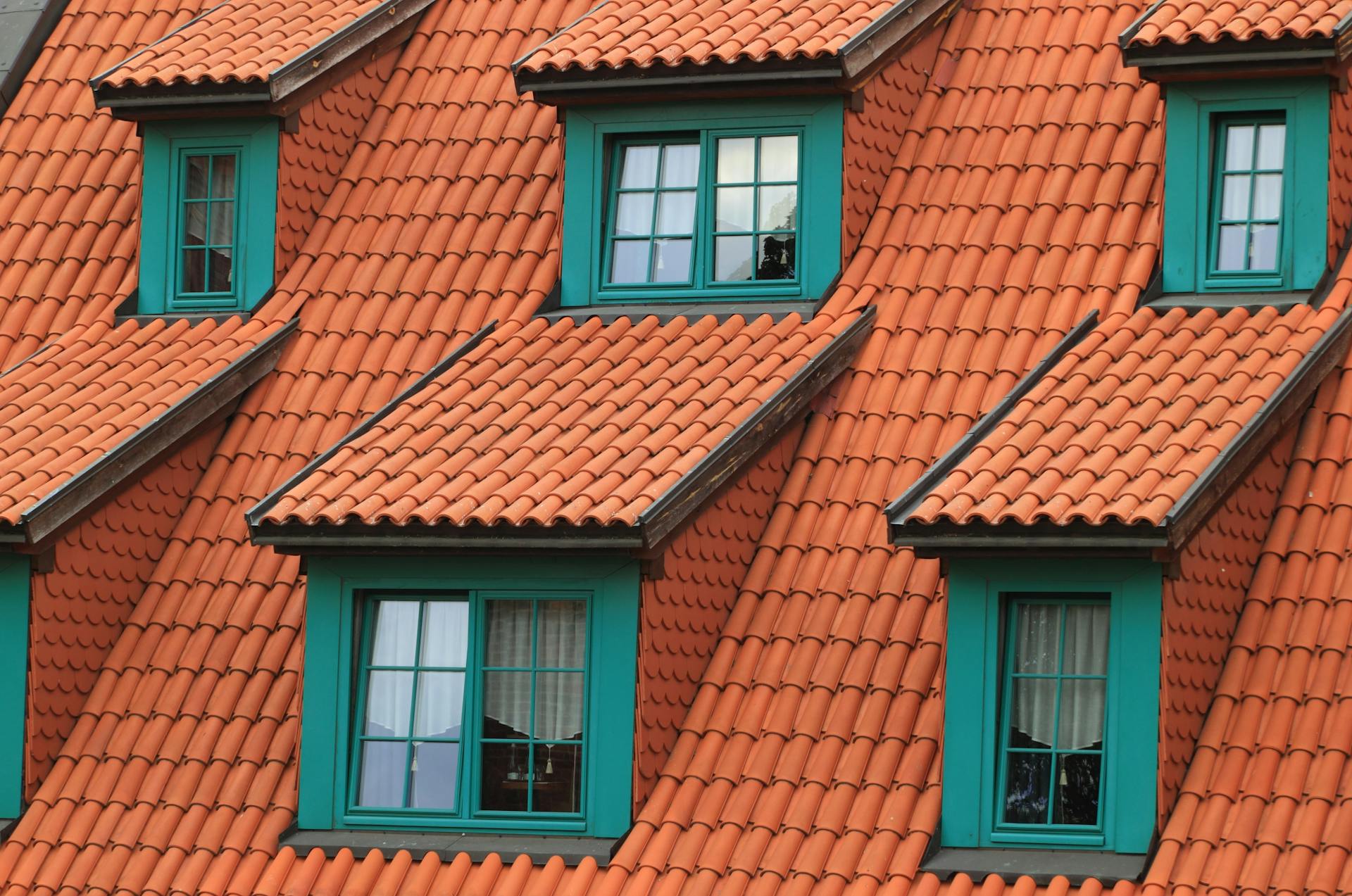
When we think about home maintenance, our minds usually drift toward the things we see every day: the manicured lawn, a fresh coat of paint in the hallway, or perhaps the modern aesthetic of a kitchen remodel. However, the most critical component of a building’s longevity is often the one we think about the least until it fails. The roof is not merely a lid on a box; it is a complex engineering system designed to manage thermal shifts, shed thousands of gallons of water, and withstand the relentless pressure of the elements.
Maintaining this shield requires more than just a passing glance from the driveway. It demands an understanding of how small vulnerabilities can escalate into catastrophic structural issues. For homeowners looking to protect their investment, the secret lies in proactive management rather than reactive repair.
The Physics of Protection
A roof functions as a multi-layered defense system. It begins with the external cladding, whether shingles, metal, or tile, which serves as the primary barrier against precipitation. Beneath that lies the underlayment, a secondary moisture barrier that acts as an insurance policy against wind-driven rain. Finally, the decking and ventilation systems work in tandem to regulate temperature and moisture within the attic space.
When one of these components is compromised, the entire system begins to degrade. For instance, poor ventilation isn’t just about a “stuffy” attic. In the winter, trapped heat can lead to ice damming, where melting snow refreezes at the eaves, forcing water up under the shingles. In the summer, excessive heat can bake shingles from the inside out, causing them to curl and lose their protective granules prematurely. Understanding these dynamics helps a homeowner realize that a leak is often the final symptom of a problem that began months or even years prior.
Identifying the Subtle Red Flags
While some roofing issues are obvious, such as a missing shingle after a storm, the most dangerous problems are often subtle. Water is patient; it will find the path of least resistance through the smallest crack in flashing or a degraded seal around a vent pipe.
- Internal Warning Signs: One should regularly inspect the attic for “shiners.” These are nails that missed the rafter and stuck out into the attic space. During cold snaps, frost forms on these nails; when it melts, it creates a persistent drip that mimics a roof leak. Additionally, look for dark staining on the underside of the roof deck or insulation that appears compressed or moldy.
- External Clues: On the roof itself, keep an eye out for “balding” shingles. As asphalt shingles age, they lose the ceramic granules that protect them from UV rays. If you see an accumulation of what looks like coarse sand in your gutters, your roof is losing its ability to reflect heat and shed water.
Managing these small indicators early can save a homeowner tens of thousands of dollars in structural timber replacement. If you notice these signs, it is wise to Click here To Schedule A Service before the next major weather event turns a minor nuisance into a household emergency.
The Impact of Local Climate on Material Longevity
No roof is universal. The environmental stressors in a coastal region, where salt air can corrode metal and high humidity encourages algae growth, are vastly different from the stressors in a mountainous region subject to heavy snow loads and rapid freeze-thaw cycles.
In high-wind environments, the “uplift” pressure is the primary enemy. If the perimeter of the roof isn’t properly secured with specialized starter strips and high-wind-rated adhesives, the wind can get underneath the shingles and peel them back like a deck of cards. Conversely, in sun-drenched climates, thermal expansion and contraction cause materials to “move” significantly every day. If the flashing isn’t installed with enough room for this movement, it can buckle and tear, creating an entry point for water.
Choosing the right material isn’t just an aesthetic choice; it’s a functional one. A homeowner must weigh the initial cost against the “lifecycle cost.” While a premium material might cost more upfront, its ability to withstand local climate extremes without frequent repairs often makes it the more economical choice over a twenty-year period.
The Hidden Danger of “Layering”
A common mistake in the industry is the practice of “roof-overs,” where a new layer of shingles is installed directly over an old one to save on labor and disposal costs. While this is legal in some jurisdictions, it is rarely a high-quality solution.
Adding a second layer of shingles doubles the weight on the home’s structure. More importantly, it traps heat between the layers, significantly shortening the lifespan of the new shingles. It also prevents a professional from inspecting the wooden decking underneath. If the plywood is rotting or delaminating, no amount of new shingles will fix the underlying instability. A true restoration requires stripping the system down to its bones to ensure the foundation is sound.
Professional Oversight vs. DIY Maintenance
There are many aspects of homeownership that lend themselves well to the “Do-It-Yourself” spirit. Roofing is rarely one of them. Beyond the obvious safety risks of working at heights, the technical precision required for flashing chimneys, valleys, and skylights is immense.
A professional inspection provides a level of detail that the untrained eye might miss. Professionals use infrared thermography to detect moisture trapped behind walls or under layers of roofing that hasn’t yet manifested as a visible drip. They can also provide a documented “condition report,” which is invaluable for insurance claims or when preparing a home for sale.
The integrity of your home’s envelope is what keeps your family safe and your property value high. By respecting the complexity of the roofing system and intervening at the first sign of wear, you ensure that your house remains a sanctuary rather than a source of stress. When was the last time a professional walked your roofline? If you can’t remember, it might be time to take that proactive step for your home’s future.