
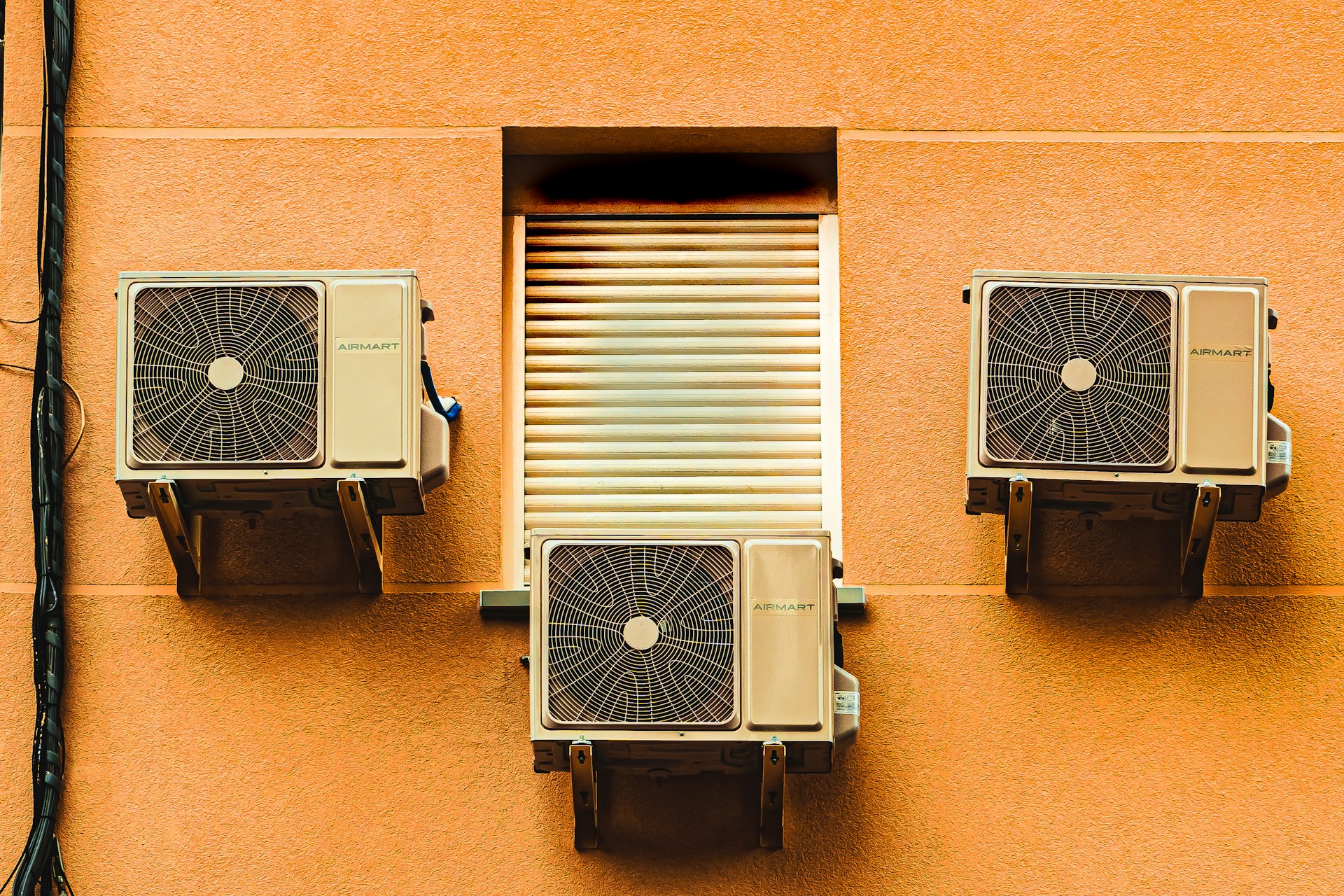
Air conditioning has become one of the defining features of modern urban life. In large cities, where millions of people live and work in dense, often concrete-heavy environments, cooling systems are not just a matter of comfort but a critical component of public health, infrastructure stability, and economic productivity. As global temperatures continue to rise and urban populations expand, the importance of air conditioning is becoming more central to how cities function and how people survive and thrive within them.
Urban Heat and the Growing Challenge of City Living
Big cities are naturally warmer than surrounding rural areas due to what is known as the urban heat island effect. Buildings, roads, and other infrastructure absorb heat during the day and release it slowly at night, preventing cities from cooling down efficiently. This means that urban residents often experience higher temperatures, especially during summer months.
Cities like New York City and Tokyo frequently experience intense heat waves that are amplified by dense construction and limited green space. In these environments, indoor temperatures can become dangerously high without mechanical cooling systems. Air conditioning helps counteract this effect by stabilizing indoor climates and making living conditions safer and more manageable.
Air Conditioning as a Public Health Necessity
One of the most important roles of air conditioning in cities is protecting public health. Extreme heat is a serious medical risk, particularly for elderly people, young children, and individuals with chronic illnesses. Heat stress, dehydration, and heatstroke can develop quickly in poorly ventilated urban apartments.
During major heat waves, hospitals often see increased admissions related to heat exhaustion. In this context, air conditioning becomes a life-saving technology rather than a luxury. It ensures that indoor environments remain within safe temperature ranges, reducing strain on the human body and helping prevent heat-related fatalities.
Medical facilities in cities such as Paris depend heavily on climate control systems. Operating rooms, intensive care units, and pharmacies all require precise temperature regulation to function properly. Without air conditioning, modern healthcare systems in large cities would struggle to maintain safety and efficiency.
Economic Productivity and Workplace Efficiency
Air conditioning also plays a crucial role in maintaining economic productivity in large urban centers. High temperatures are known to reduce concentration, slow cognitive processing, and increase fatigue. In office environments, even a small rise in temperature can significantly reduce worker performance.
Global financial and commercial hubs such as London rely on stable indoor climates to support industries such as banking, technology, and consulting. Air conditioning ensures that employees can work efficiently without being distracted or physically stressed by heat.
Retail businesses, restaurants, and entertainment venues also depend on cooling systems. Customers are far more likely to stay longer and spend more money in comfortable environments. As a result, air conditioning contributes directly to urban economic activity by shaping consumer behavior and improving workplace conditions.
Infrastructure, Technology, and Heat Sensitivity
Modern cities depend heavily on complex technological systems that are highly sensitive to temperature changes. Data centers, telecommunications hubs, and transportation control systems all require strict climate regulation. Without air conditioning, overheating could lead to system failures and widespread disruptions.
Subway systems in densely populated cities generate large amounts of heat due to train movement, electrical systems, and passenger density. Underground environments can become uncomfortable or even dangerous without proper ventilation and cooling.
In addition, digital infrastructure such as cloud computing servers must be kept within narrow temperature ranges to prevent hardware damage. As urban societies become more dependent on digital services, the importance of reliable cooling systems continues to grow.
Social Inequality and Unequal Access to Cooling
While air conditioning is widespread in many urban areas, access is not equal. In lower-income neighborhoods, residents may not be able to afford air conditioning units or the electricity required to run them consistently. This creates a serious inequality during extreme heat events.
Heat-related illness and mortality are often higher in poorer communities, where housing quality is lower and access to cooling is limited. This makes air conditioning not just a technological issue but also a social justice concern.
Many cities have responded by establishing public cooling centers—air-conditioned spaces such as libraries, community centers, and public buildings where residents can escape dangerous heat. These initiatives help reduce inequality during heat waves, but they are still not a complete solution.
Climate Change and Rising Demand for Cooling
Climate change is increasing the demand for air conditioning in cities worldwide. As average temperatures rise and heat waves become more frequent, urban populations are relying more heavily on cooling systems for longer periods each year.
However, this creates a complex environmental challenge. Air conditioning systems consume significant amounts of electricity, and if that energy comes from fossil fuels, it contributes to greenhouse gas emissions. This creates a feedback loop where higher temperatures lead to more cooling demand, which can further intensify climate change.
To address this issue, cities are investing in energy-efficient technologies, better insulation standards, and renewable energy integration. The goal is to reduce the environmental impact of cooling while still protecting residents from extreme heat.
Urban Design and Sustainable Cooling Solutions
In response to growing environmental concerns, urban planners are exploring new ways to reduce reliance on traditional air conditioning. Green roofs, reflective building materials, and expanded urban greenery all help lower ambient temperatures in cities.
Trees and parks play an especially important role by providing shade and reducing surface heat. Cities like Singapore have become global leaders in integrating nature into urban environments, using vegetation to naturally reduce heat buildup.
At the same time, modern engineering is improving the efficiency of mechanical cooling systems. District cooling networks, smart thermostats, and advanced heat exchange technologies are helping cities manage temperature more sustainably.
Residential Cooling and Everyday Life
Air conditioning is not only important in commercial and public infrastructure but also in private homes. In dense urban housing, especially apartment buildings, indoor heat can build up quickly due to limited airflow and shared walls.
In many parts of the world, modern housing developments now include built-in cooling systems as a standard feature. For example, modern residential air conditioning Sydney systems are increasingly used in high-density apartment buildings to ensure consistent indoor comfort during hot Australian summers. This reflects a broader global trend in which residential cooling is becoming an expected part of urban living rather than an optional upgrade.
At the household level, air conditioning improves sleep quality, reduces heat stress, and makes daily life more manageable during extreme weather conditions. For families living in small apartments, it can significantly improve overall quality of life.
The Future of Air Conditioning in Cities
The future of air conditioning in big cities will likely involve a combination of technological innovation and urban redesign. More efficient systems, powered by renewable energy, will play a major role in reducing environmental impact.
At the same time, cities will continue to invest in passive cooling strategies, such as improved building design and expanded green spaces. The goal is not to eliminate air conditioning but to integrate it into a broader, more sustainable urban system.
As cities continue to grow and climate conditions become more extreme, cooling will remain a fundamental part of urban infrastructure. The challenge moving forward is ensuring that air conditioning remains both accessible and environmentally responsible.
Air conditioning has become indispensable in modern cities. It protects public health, supports economic productivity, ensures infrastructure reliability, and improves everyday comfort for millions of people. From global hubs like New York, Tokyo, London, and Paris to rapidly growing urban centers around the world, cooling systems are now a core part of how cities function.
However, this dependence also brings new challenges. Rising energy demand, environmental concerns, and unequal access to cooling highlight the need for smarter, more sustainable solutions. The future of urban living will depend on balancing comfort and survival with efficiency and environmental responsibility.
In the end, air conditioning is not just about staying cool—it is about sustaining life in the modern city.
Photo by Jose Antonio Gallego Vázquez on Unsplash