
Why Sizing Trips So Many People Up
Buying clothes online should be simple, yet sizing turns it into a guessing game. You order your usual size, it arrives, and somehow it’s either swimming on you or pulling tight across the chest. I’ve been there more times than I’d like to admit. The problem is that streetwear barely follows normal sizing rules. One brand’s medium fits like another brand’s large, so your “usual” size means almost nothing across different shops. That’s frustrating, but it’s fixable. The trick is to stop trusting the label and start trusting the measurements. Every good product page lists actual numbers, and those numbers don’t lie the way a size letter does. So instead of guessing, you compare. Grab a piece you already love, measure it flat, and match those numbers to the page. Do this once and the whole game changes. You’ll order with confidence, return less, and stop wasting weeks waiting on swaps. Sizing isn’t magic. It’s just measuring, and almost nobody bothers. Be the person who does, because that one small habit saves money, time, and a lot of annoyance down the line.
The One Tool That Fixes Everything
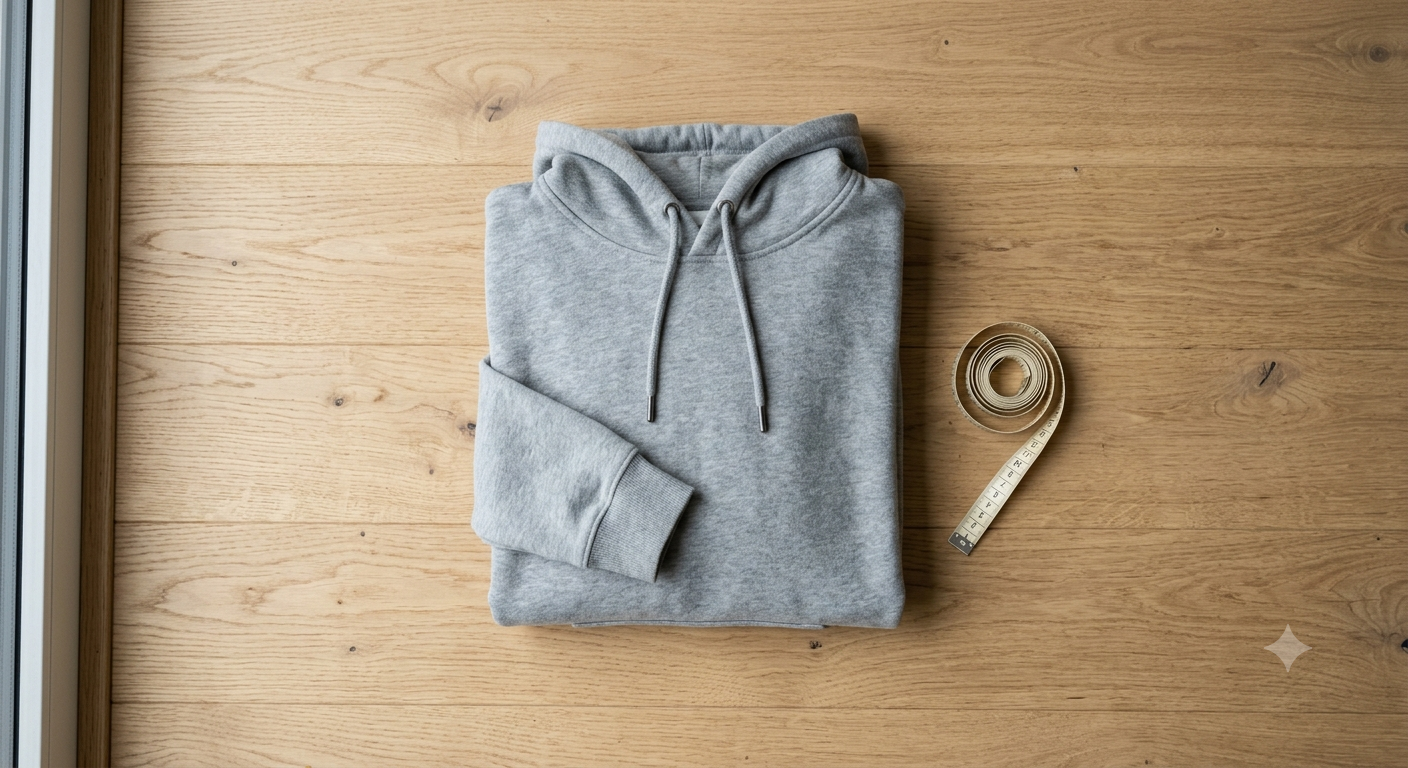
You need exactly one thing to nail your fit, and it costs almost nothing. A soft measuring tape. That’s it. The kind tailors use, the bendy fabric one you can wrap around your body. If you don’t own one, a piece of string and a ruler works in a pinch. Here’s the part people skip: you don’t measure yourself first. You measure a garment you already own and love the fit of. Lay it flat on a table, smooth out the wrinkles, and measure it cold. I learned this trick after years of returns, and it changed everything for me. Match those numbers against the product page, and you’ll know the fit before it ships. It feels almost too simple to work, but it does. So before your next order, find that one perfect hoodie in your wardrobe and measure it. Write the numbers down somewhere you won’t lose them. Chest, length, sleeve, shoulder. Now you’ve got a personal cheat sheet for every future purchase. No more guessing, no more hoping. Just numbers that tell you the truth every single time.
The Four Measurements That Actually Matter
People overthink measuring, so let me keep it tight. For most streetwear, you only need four numbers. Get these right and the rest sorts itself out.
- Chest. Measure flat across the garment from armpit to armpit, then double it. This decides whether a piece feels snug or roomy.
- Length. Measure from the highest point of the shoulder straight down to the hem. This stops you ending up with a crop you didn’t want.
- Sleeve. Run the tape from the shoulder seam to the cuff. Long arms? This one matters most to you.
- Shoulder. Measure seam to seam across the back. This is the hardest to fix if it’s wrong, so check it closely.
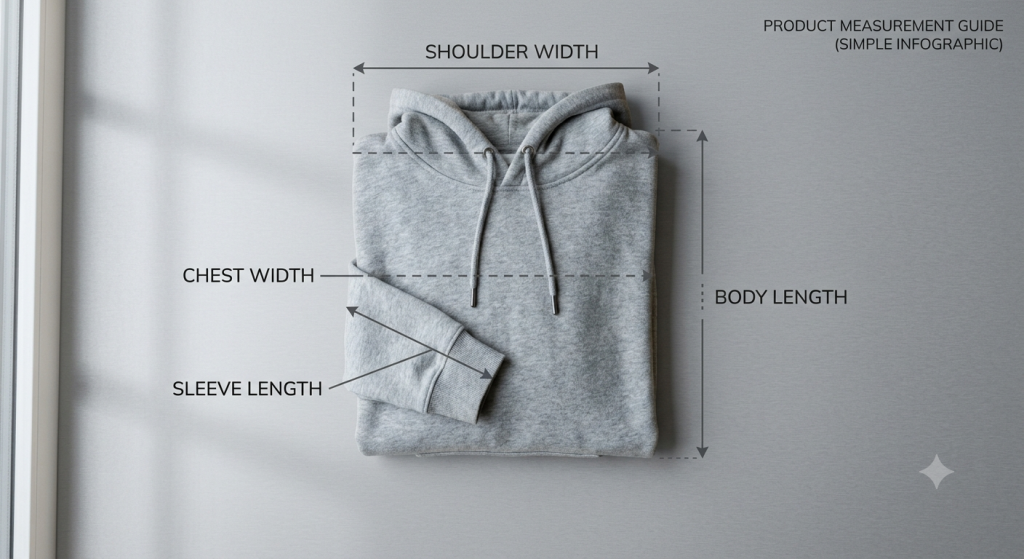
Write these four down for your favourite hoodie and tee. Then every product page becomes easy to read. You stop trusting vague words like “oversized” and start trusting real numbers. That’s the whole shift, and it takes five minutes to set up.
Reading the Fit Before You Buy
Once you’ve got your numbers, product pages stop being a gamble. A good trapstar uk hoodie page lists chest, length, and sleeve for every size, so you just match them against your measurements. Here’s a hands-on detail worth knowing: most streetwear is cut relaxed on purpose, so the chest measurement usually runs a few inches bigger than your body. That extra room is the drape you’re paying for, not a mistake. So don’t panic if the numbers look large. Compare them to your favourite roomy hoodie, not your body alone. If you like a tighter fit, look for the size where the chest sits closest to your actual measurement plus an inch or two. If you want that classic streetwear slouch, go bigger. I personally prefer mine with a bit of room through the body but a length that doesn’t swallow me, because too long just looks sloppy. Everyone’s sweet spot differs. The point is, once you read the numbers instead of the letters, you control the outcome. You decide the fit. The page just hands you the data to make that call.
Where Sizing Goes Sideways
Even with measurements, a few things still catch people out. So keep these traps in mind before you order anything.
- Fabric weight changes the fit. A heavy hoodie sits structured, while a thin one clings. Same numbers, different feel.
- Shrinkage is real. Cotton-heavy pieces can shrink slightly on the first wash, so factor in a little wiggle room.
- Brands cut differently. A medium from one shop won’t match a medium from another, even with similar numbers on paper.
- Stretch matters. Ribbed or knit fabrics give more than woven ones, so a snug number can still feel comfortable.
- Photos can mislead. A model’s “oversized” look might just be a smaller person in a bigger size.
One honest limitation: even careful measuring can’t predict exactly how a fabric will feel on your body, because drape depends on weight and stretch that numbers alone don’t capture. So treat measurements as your best guide, not a guarantee. They get you close, and close beats blind every time.
Sizing Sets and Tracksuits
Matching sets bring their own headache, because now two pieces have to fit you at once. A cole buxton tracksuit or any two-piece set means checking the top and the bottom separately, since they rarely share the same fit logic. The top follows hoodie sizing, so use your chest and length numbers there. The bottoms are about waist and inseam, which is a whole different check. Measure a pair of joggers you already love, focusing on the waist laid flat and the length from waistband to ankle. I always tell people to prioritise the bottoms here, because a slightly off top still looks fine, while badly fitting trousers ruin the whole set. Tapered legs are common in streetwear, so check the ankle opening too if you’ve got bigger calves. Some sets sell as fixed pairs, while others let you pick separate sizes for top and bottom, which is honestly the better option. If your shop offers split sizing, use it. Your top half and bottom half are rarely the same size, so forcing one size on both is asking for a compromise. Measure both, order both right, and your set actually looks like a set.
Sizing Outerwear and Layers
Jackets need a different approach, because they sit over your other clothes. So you can’t just match your t-shirt numbers and call it done. A good noneofus jacket or any outer layer needs a little extra room for whatever you’ll wear underneath. Think about your heaviest hoodie, because that’s what the jacket has to fit over in winter. If a jacket fits perfectly over a tee but you can’t zip it over a hoodie, it’s too small for real use. So size outerwear with layering in mind. I usually go one notch roomier on jackets than I would on a standalone piece, and I’ve never regretted that call. Check the chest and shoulder numbers especially, since those decide whether you can actually move your arms. Length matters too, because a jacket that ends above your hoodie hem looks unfinished. For puffers and heavy shells, a bit of extra room also traps warmth better, so it’s not just about fit, it’s about function. Measure, layer, and plan for the coldest day you’ll wear it, not the mildest. That way your jacket works all season, not just in October.
Making Returns Your Last Resort
Returns are a safety net, not a strategy. Sure, free returns sound great, but waiting two weeks for a swap kills the fun of a new piece. So aim to get it right the first time. Use your measurements, read the page properly, and email the shop if you’re unsure between two sizes. A quick question before ordering beats a long wait after. I’ve messaged plenty of shops asking which size a specific piece runs closest to, and most reply fast and honestly. That five-minute message has saved me from countless wrong orders. Keep your measurement cheat sheet handy so every order takes seconds to check. Order one size at a time, not two with the plan to return one, because that just ties up your money and clogs the system. When you measure first, returns become rare. They turn into the exception, not the routine. That’s the goal. A wardrobe built on pieces that fit from day one, not a pile of swaps and refunds. Get the fit right early, and the whole experience of buying streetwear stops being stressful and starts being fun again.
Final Words
Sizing isn’t the dark art it feels like. It’s just measuring, comparing, and reading numbers instead of trusting labels. Grab a tape, measure your favourite pieces, and write down those four key numbers. Then every product page becomes easy. You’ll order with confidence, layer smartly, and treat returns as a rare backup instead of a habit. Do this once and it pays off forever. Your clothes will fit, your money stays in your pocket, and getting dressed finally feels good.
FAQs
How do I know my streetwear size without trying it on?
Measure a garment you already love flat on a table, note the chest, length, and sleeve, then match those numbers to the product page. Letters lie, numbers don’t.
Why does the same size fit differently across brands?
Every brand cuts to its own pattern, so one medium rarely matches another. Always check the actual measurements on the page rather than trusting the size letter.
Should I size up in streetwear?
Only if you want that relaxed, oversized drape. If you prefer a cleaner fit, pick the size where the chest measurement sits close to your body plus an inch or two.
How much room should I leave for a jacket?
Enough to fit your heaviest hoodie underneath. Size outerwear one notch roomier than a standalone piece, and check the chest and shoulder numbers for movement.
Do hoodies shrink after washing?
Cotton-heavy pieces can shrink slightly on the first wash. Wash cold and air dry to limit it, and leave a little wiggle room when a piece runs cotton-heavy.
