
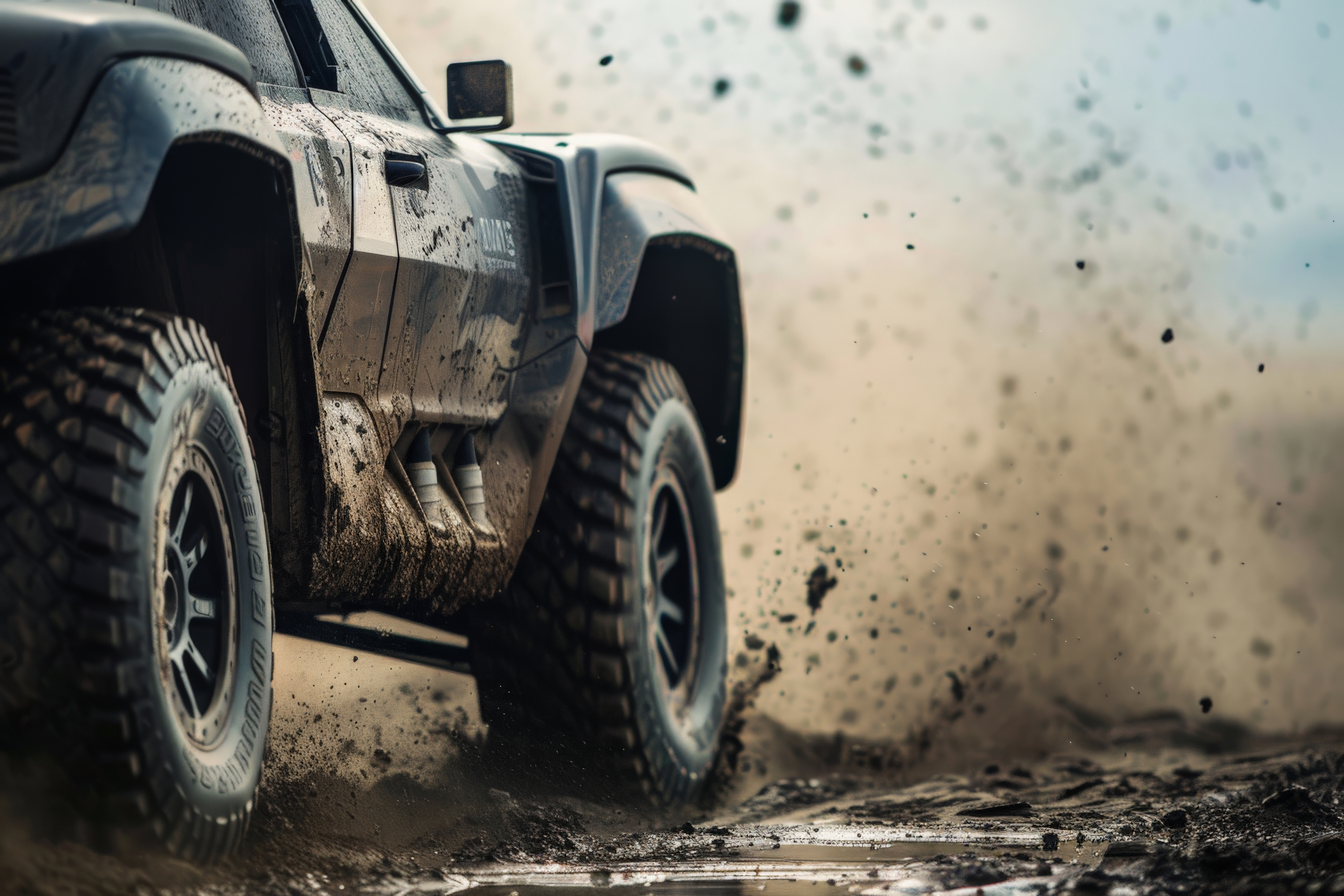
Building your first off-road vehicle is one of the most rewarding projects a driving enthusiast can take on — but it’s also one of the easiest places to waste money. Most first-time builders make the same mistakes: buying parts in the wrong order, over-spending on cosmetics before capability, and ending up with a rig that looks the part but can’t actually handle a real trail.
This guide walks through how to do it properly the first time — choosing the right base vehicle, planning the build in the right order, and making the upgrades that genuinely change what your truck can do.
Start With the Right Base Vehicle
The single most important decision in any off-road build happens before you spend a dollar on parts. The base vehicle determines what’s possible, what’s practical, and how much your build will eventually cost.
Body-on-Frame vs Unibody
Traditional off-road vehicles use body-on-frame construction — the body sits on a separate steel frame, which makes the platform more durable under flex, easier to modify, and better suited to lifting and heavy accessories. Most serious off-road builds start with body-on-frame trucks and SUVs.
Unibody vehicles can still go off-road, and modern crossovers are surprisingly capable for moderate trails. But they’re harder to modify, less tolerant of repeated trail abuse, and generally not the right platform for an enthusiast build.
Engine, Drivetrain, and Drivetrain Lockers
A capable off-road vehicle needs four-wheel drive with low-range gearing — not just all-wheel drive. Look for vehicles with a true transfer case offering 4-Hi and 4-Lo ranges. Factory or available locking differentials (front, rear, or both) are a major advantage, since they let the vehicle put power down on the tire with traction instead of the one spinning.
Diesel engines offer torque advantages for serious overlanding and towing, but modern gas engines are more than capable for most builds. Avoid platforms known for chronic reliability problems — your trail truck is going to be stressed harder than a daily driver, and weak engines fail faster under that workload.
Beginner-Friendly Platforms
A few platforms have earned reputations as ideal starting points for first builds because of strong aftermarket support, parts availability, and proven durability. The Toyota Tacoma, 4Runner, and older Land Cruiser models are global favorites. The Jeep Wrangler remains the most modified vehicle in the world. The Ford Ranger, Bronco, and full-size F-150 offer strong options. Older Nissan Patrol, Mitsubishi Pajero, and Mahindra Thar platforms are popular in regional markets.
Pick a platform with strong aftermarket support in your region. A slightly less capable platform with abundant parts will always beat a more capable platform with no support network.
Plan the Build Before You Spend Anything
This is the step that separates successful builders from frustrated ones. Before buying a single accessory, write down what your build is actually for: weekend trails, overlanding trips, rock crawling, mud, sand, or general “be ready for anything” capability. Every spending decision afterward should serve that purpose.
A good plan answers three questions: What terrain will I actually drive on? How much weight will the vehicle carry on long trips? What’s my total budget across the next 12–24 months?
Research is the cheapest part of the entire build, and it pays off the most. Spend time on dedicated off-road resources before spending on parts. Sites like OffroadPull cover equipment selection, gear comparisons, and setup considerations in much more detail than generic auto blogs, and the technical depth matters when you’re choosing components that need to work together. A few hours of reading saves thousands of dollars in parts you’d otherwise replace.
Once you have a plan, build in the right order: suspension and tires first, then recovery, then protection, then lighting and comfort. Building in this order means each upgrade reinforces the last instead of needing to be redone.
Suspension and Tires: The Real Foundation
Suspension and tires do more to change what your vehicle can actually do than any other upgrade. This is where the trail-ready transformation happens.
Lift Kits for First Builds
Beginners often go straight for the biggest lift they can fit, which is usually a mistake. A 2 to 3 inch lift handles 33-inch tires on most platforms, keeps your geometry close to factory specifications, and avoids the cascade of secondary modifications (longer brake lines, drive shaft spacers, alignment fixes) that big lifts require.
Quality matters more than height. A mid-priced 2.5-inch lift from a reputable brand with adjustable shocks outperforms a cheap 4-inch kit every single time. Cheap suspension wears out within a year of trail use and ends up being replaced — meaning you’ve effectively financed the same upgrade twice.
Tire Sizing
Tires are the single biggest performance upgrade on any off-road build. A good set of all-terrain or mud-terrain tires in the right size will transform handling on dirt, rock, sand, and snow.
For a first build, 33-inch all-terrains are the sweet spot. They fit most platforms with minimal modification, perform well across a wide range of terrain, last reasonably long on pavement, and don’t kill fuel economy the way larger tires do. Save the 35s and 37s for later builds when you’re ready for the supporting modifications.
Recovery Equipment You Actually Need
You will get stuck. Every off-road driver does. The question is whether you can get yourself out safely or whether you become a problem for someone else.
A baseline recovery kit includes a winch rated for at least 1.5 times your vehicle’s weight, a synthetic recovery rope, soft shackles, a snatch block, recovery boards, a heavy-duty shovel, gloves, and a recovery damper for safety during winching.
The winch system also requires electrical capacity your factory battery can’t handle. Most first-time builders learn this the hard way the first time they try a long pull and their truck dies mid-recovery. Plan for a battery and charging system designed for high-amperage loads before you buy the winch itself.
Protection: Skid Plates, Sliders, and Bumpers
Once your vehicle goes off-road, protection components save you from expensive damage. Skid plates protect oil pans, transmissions, and transfer cases from rocks. Rock sliders protect rocker panels from boulders and ledges. A heavy front bumper houses the winch and protects the radiator.
Prioritize protection in the order that matches your terrain. Rocky trails demand skid plates and sliders first. Open trail and overlanding builds can prioritize bumpers and roof racks earlier.
Electrical, Lighting, and Comfort Upgrades
These come last for a reason: they’re the most fun and the least essential. A capable trail truck doesn’t need an LED light bar. It needs working recovery gear and proper suspension.
When you do get to lighting, invest in quality. Cheap auxiliary lights fail under vibration, dust, and water exposure faster than people expect. A few well-chosen lights from a reputable brand will outlast a dozen cheap ones.
Auxiliary fuel tanks, drawer systems, fridge mounts, and roof tents fall into the same category. Useful, often great, but not what makes the truck capable.
Common First-Time Builder Mistakes
A few patterns trip up almost every new builder:
Going too big too fast. Massive lifts and oversized tires create problems that take years to solve. Start moderate.
Buying for looks instead of function. A truck with light bars and chrome accessories but no recovery gear isn’t trail-ready — it just looks like it is.
Skipping the maintenance budget. Heavier tires, lifted suspension, and added weight all stress drivetrain components. Plan for 10–15% of your build cost as ongoing maintenance reserve.
Building alone. Off-road communities exist in nearly every region and they’re almost universally welcoming. The fastest way to learn is to wheel with people who’ve already made the mistakes you’re about to make.
The Mindset That Builds the Best Trucks
The best off-road builds aren’t the ones with the biggest budgets or the most accessories. They’re the ones built deliberately, in the right order, by owners who understood what their truck was for before they started buying parts.
Take the time to plan, prioritize capability over appearance, and let the trail justify each upgrade. Done right, your first off-road build will reward you on every trip for years — and teach you exactly what you’d want from your second one.