
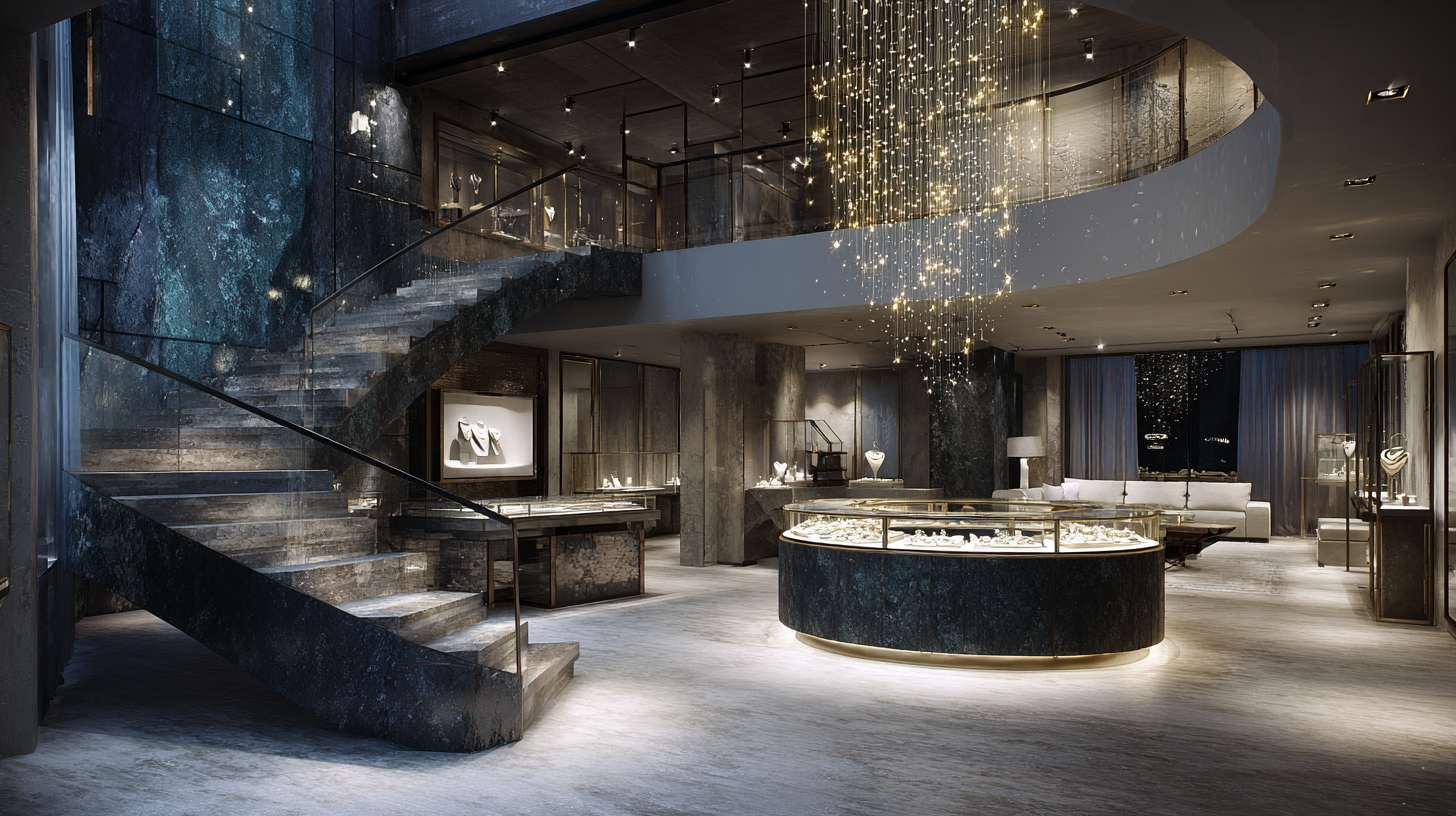
In the world of ultra-luxury real estate, the concept of the “panic room” has evolved far beyond its utilitarian origins. Once envisioned as stark, fortified bunkers designed solely for emergency survival, these secure spaces are undergoing a remarkable transformation. Today’s elite homeowners are demanding more from their secure environments, seeking to merge impenetrable safety with unparalleled luxury. The result is the rise of the hidden sanctuary—a highly secure room that doubles as a private gallery for high-value collections.
This evolution reflects a broader trend in luxury design: the desire to integrate functionality with aesthetic beauty. Visionary design firms, such as Natalia Neverko Interior Designer Miami, are at the forefront of this movement, crafting secure spaces that are as breathtaking as the treasures they hold. Here is an exploration of how the modern panic room is being reimagined as a luxurious, hidden sanctuary.
Reimagining the “Safe Room” as a High-Security Lounge
The traditional safe room is often associated with a sense of confinement and anxiety. However, the modern approach flips this narrative, transforming the secure space into a high-security lounge that homeowners actively want to spend time in.
A Showcase for Horology and Rare Collections
Instead of bare walls and emergency supplies, these reimagined spaces are designed to showcase the owner’s most prized possessions. Whether it is a world-class horology collection, rare vintage handbags, or priceless antiquities, the secure room serves as a private, climate-controlled gallery. Custom-built display cases, complete with museum-grade lighting and biometric locks, allow the homeowner to enjoy their collections in an environment of absolute security.
The Lounge Experience
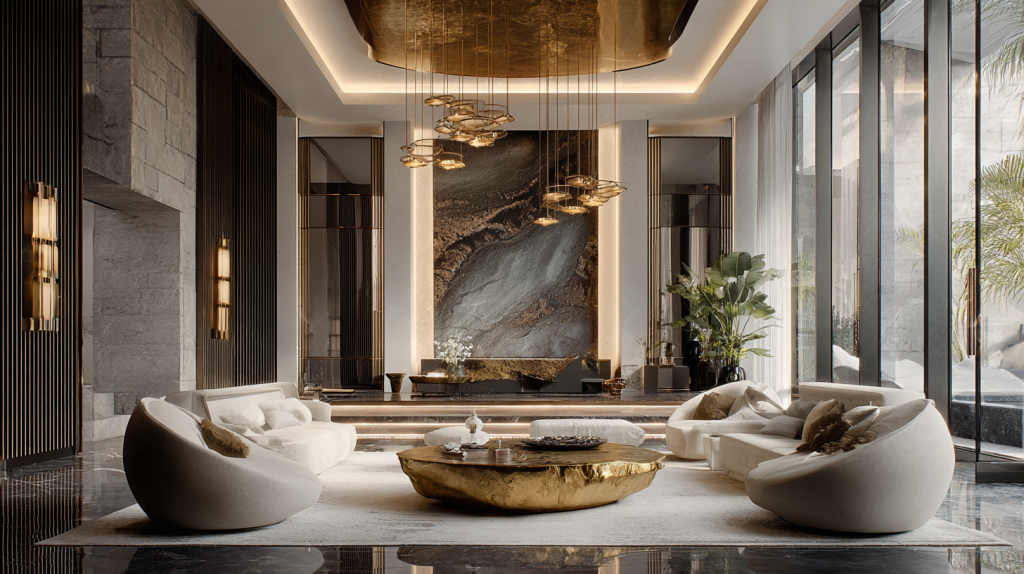
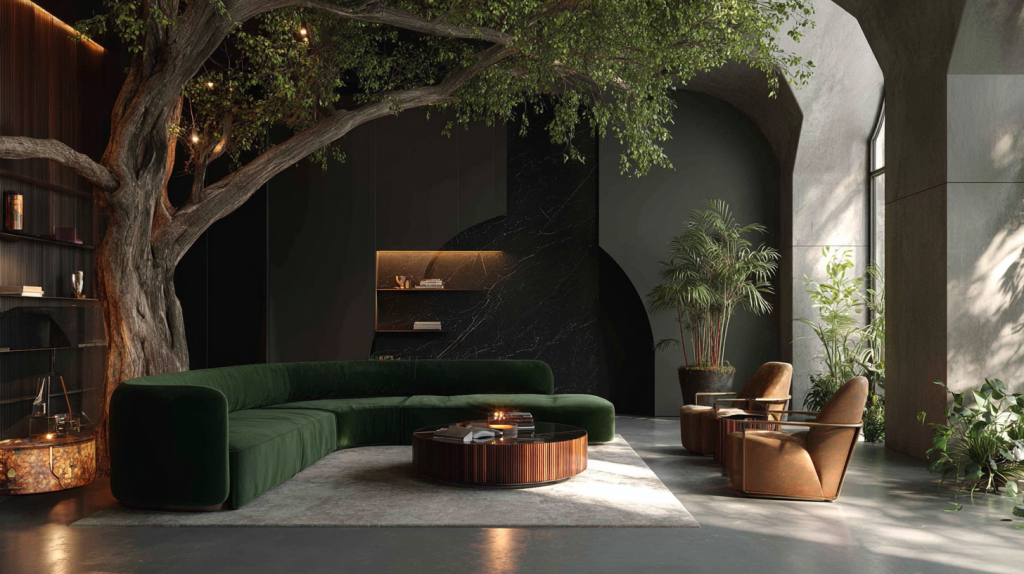
To complete the transformation, these spaces are often furnished with plush seating, bespoke cabinetry, and even private bars. The goal is to create an environment that feels like an exclusive, members-only club—a place where the homeowner can retreat to relax, entertain close confidants, or simply admire their collections in peace.
Seamless Entry: The Art of Concealment
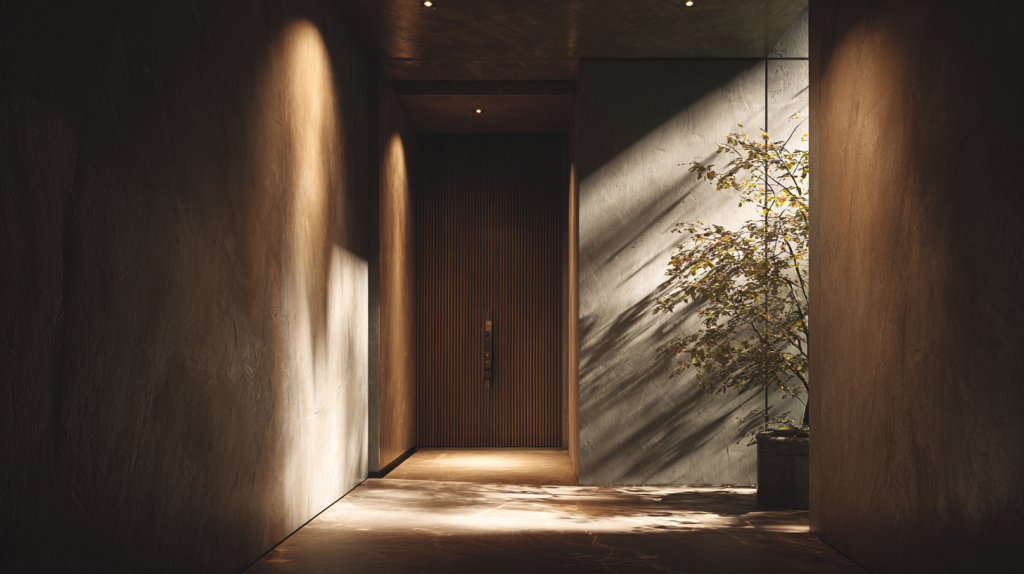
A hidden sanctuary is only effective if its location remains a closely guarded secret. The entrance to these secure rooms must be entirely invisible to the untrained eye, blending seamlessly with the surrounding architecture.
Motorised Mirrors and Decorative Stone Panels
Designers employ ingenious methods to conceal access points. A grand, floor-to-ceiling mirror in a master suite might silently glide open at the touch of a hidden biometric scanner. Alternatively, a massive, decorative stone panel in the library could pivot on heavy-duty, concealed hinges to reveal the entrance.
The Illusion of Continuity
The key to successful concealment is the illusion of continuity. The hidden door must perfectly match the surrounding finishes, whether it is intricate wood panelling, Venetian plaster, or custom wallpaper. This level of detail ensures that the entrance remains undetectable, providing an essential layer of security through obscurity.
Life-Support Autonomy: Independent Systems
While the aesthetic focus is on luxury, the primary function of a hidden sanctuary remains absolute security. In the event of an emergency, the room must be capable of sustaining its occupants independently of the main house.
Independent Air, Power, and Communication
These secure spaces are equipped with their own life-support systems. This includes independent, military-grade air filtration systems capable of scrubbing biological and chemical contaminants. Dedicated backup power supplies, often in the form of advanced battery arrays, ensure that the room remains operational even if the main grid fails. Furthermore, secure, hardwired communication lines and satellite uplinks guarantee that the occupants can always reach the outside world.
The Assurance of Survival
This level of autonomy provides the ultimate peace of mind. Homeowners know that, regardless of what happens outside the sanctuary, they have a secure, self-sustaining environment where they can safely wait out any threat.
Museum-Grade Climate Control: Protecting Art and Assets
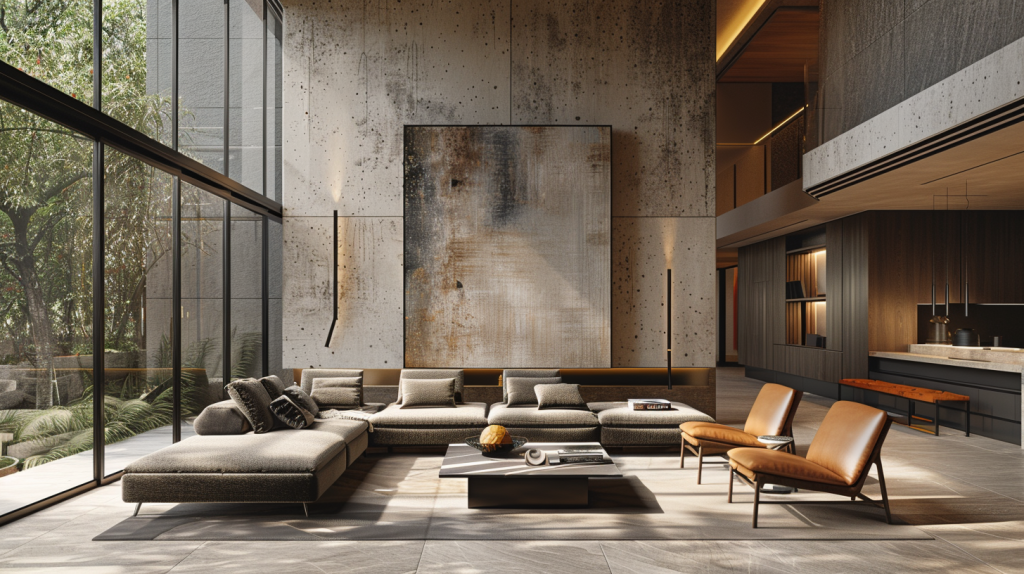
When a secure room doubles as a private gallery, protecting the collections becomes just as important as protecting the occupants. High-value assets, particularly fine art, rare books, and delicate fabrics, require precise environmental conditions to prevent degradation.
Precision Temperature and Humidity Management
Hidden sanctuaries are equipped with museum-grade climate control systems. These systems maintain exact temperature and humidity levels, preventing the fluctuations that can cause canvas to warp, leather to crack, or delicate mechanisms to rust.
The Secure Core
By locating these collections within the home’s secure core, homeowners also protect them from environmental disasters, such as hurricanes or floods, which are a constant concern in coastal areas like Miami. The secure room acts as a vault, preserving the integrity and value of the collections for future generations.
Psychological Comfort: Designing for Well-Being
Perhaps the most significant shift in the design of secure spaces is the focus on psychological comfort. A room designed for emergencies can easily induce feelings of claustrophobia and panic if not carefully considered.
The Illusion of Space
Techniques such as the strategic use of mirrors, backlit faux windows that simulate natural daylight, and high ceilings help to create the illusion of space and openness. By prioritising psychological well-being, designers ensure that the hidden sanctuary is a place of calm and reassurance, providing true refuge in times of crisis.
The modern panic room is a testament to the evolving demands of luxury living. By combining impenetrable security with the elegance of a private gallery, these hidden sanctuaries offer the ultimate in protection and refinement. They are spaces where homeowners can safeguard their most valuable assets—and their lives—without ever compromising on comfort or style.
