
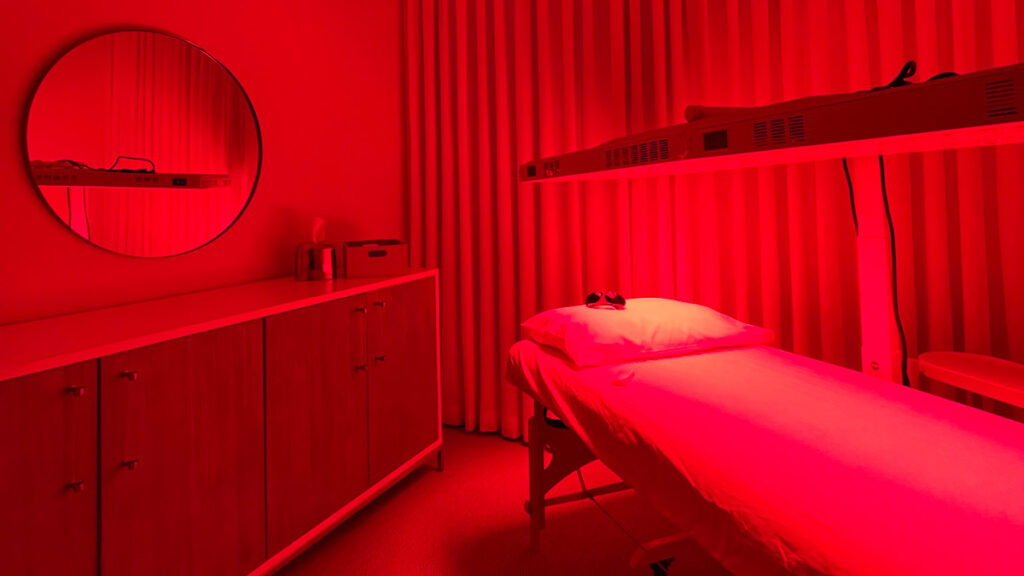
Understanding Sunsred Technology in Modern Wellness
Sunsred technology is part of the rapidly expanding field of red light therapy (RLT), a science-driven wellness approach that uses specific wavelengths of light to interact with biological tissues. Unlike traditional therapies that rely on chemicals or invasive procedures, this technology is based on photobiomodulation, where light energy is absorbed by cells and used to support natural biological processes. Over the past decade, it has gained attention in both clinical research and consumer wellness markets.
At its core, Sunsred technology is designed to deliver controlled red and near-infrared light to the body. These wavelengths are carefully selected because they can penetrate skin layers at different depths, potentially influencing cellular energy production and tissue repair. The growing popularity of this technology reflects a broader shift toward non-invasive wellness solutions that aim to support health at a cellular level rather than only addressing external symptoms.
The Science Behind Red Light Therapy
The scientific foundation of Sunsred technology lies in how cells respond to light energy. Human cells contain mitochondria, often described as the “powerhouses” of the cell, which produce adenosine triphosphate (ATP)—the main source of cellular energy. Research in photobiomodulation suggests that red and near-infrared light may stimulate mitochondria, potentially increasing ATP production and supporting cellular function.
ATP = ADP + P_i + \text{energy (light-stimulated)}}
This simplified representation highlights how cellular energy cycles may be influenced by external light exposure. While ongoing research continues to explore these mechanisms, many studies suggest that red light therapy may play a role in reducing oxidative stress and supporting tissue recovery processes.
Another important scientific aspect is wavelength specificity. Different wavelengths penetrate the body at different depths. Red light tends to interact more with the skin and surface tissues, while near-infrared light can reach deeper muscles and joints. This layered interaction is one reason why devices like those developed under Sunsred technology are designed with precise wavelength calibration.
Safety Principles and Design Standards
Safety is a key concern in any light-based wellness technology. Sunsred devices are generally engineered to maintain controlled energy output, ensuring that exposure remains within safe therapeutic ranges. Unlike ultraviolet (UV) light, which can damage DNA and skin cells, red and near-infrared light are non-ionizing and do not carry the same risks when used correctly.
One of the most important safety considerations in Sunsred technology is exposure time and intensity. Devices are calibrated to deliver consistent irradiance levels, meaning the amount of light energy delivered per unit area is controlled to avoid overheating or overstimulation of tissues. Many systems also include timers, adjustable intensity settings, and protective designs to support safe usage at home.
Additionally, electromagnetic field (EMF) management has become an important design focus in modern wellness devices. Manufacturers often aim to minimize unnecessary EMF exposure, ensuring that devices remain suitable for frequent personal use without compromising comfort or safety standards.
Effectiveness and Practical Applications
The effectiveness of Sunsred technology is closely tied to ongoing research in photobiomodulation. While results can vary depending on individual conditions, studies have explored several potential benefits of red light therapy, including improved skin appearance, reduced inflammation, and enhanced muscle recovery.
One of the most widely discussed applications is skin health. Red light exposure is believed to support collagen production, which may help improve skin elasticity and reduce the appearance of fine lines. This has made the technology popular in aesthetic wellness and anti-aging routines.
Athletic recovery is another key area of interest. Many users incorporate red light therapy into post-exercise routines to support muscle relaxation and reduce soreness. This is particularly relevant in fitness and rehabilitation environments where recovery time is critical.
There is also growing interest in neurological and metabolic applications, although these areas require further research. Early studies suggest potential links between light exposure and improved circulation or cellular repair mechanisms, but more clinical evidence is needed to confirm long-term outcomes.
Why Sunsred Technology Is Gaining Attention
The rising popularity of Sunsred technology can be attributed to several converging trends in the wellness industry. First, there is increasing consumer demand for non-invasive, drug-free health solutions. People are seeking technologies that can be used at home without medical supervision but still offer scientifically grounded benefits.
Second, advancements in LED engineering have made red light therapy devices more accessible, compact, and affordable. This has allowed companies like Sunsred to bring previously clinic-based technologies into everyday wellness routines.
Finally, the integration of science communication and product transparency has helped build trust in this category. As more research becomes available, consumers are becoming more informed and selective about the technologies they adopt, favoring brands that emphasize evidence-based design.
Conclusion
Sunsred technology represents a growing intersection of science, safety, and practical wellness application. Built on the principles of red light therapy and photobiomodulation, it offers a non-invasive approach to supporting cellular function and overall well-being. While research is still evolving, current findings suggest promising potential in areas such as skin health, recovery, and general wellness support.
As interest in light-based therapies continues to grow, Sunsred stands as part of a broader movement toward science-backed, at-home wellness solutions that prioritize both innovation and safety.