
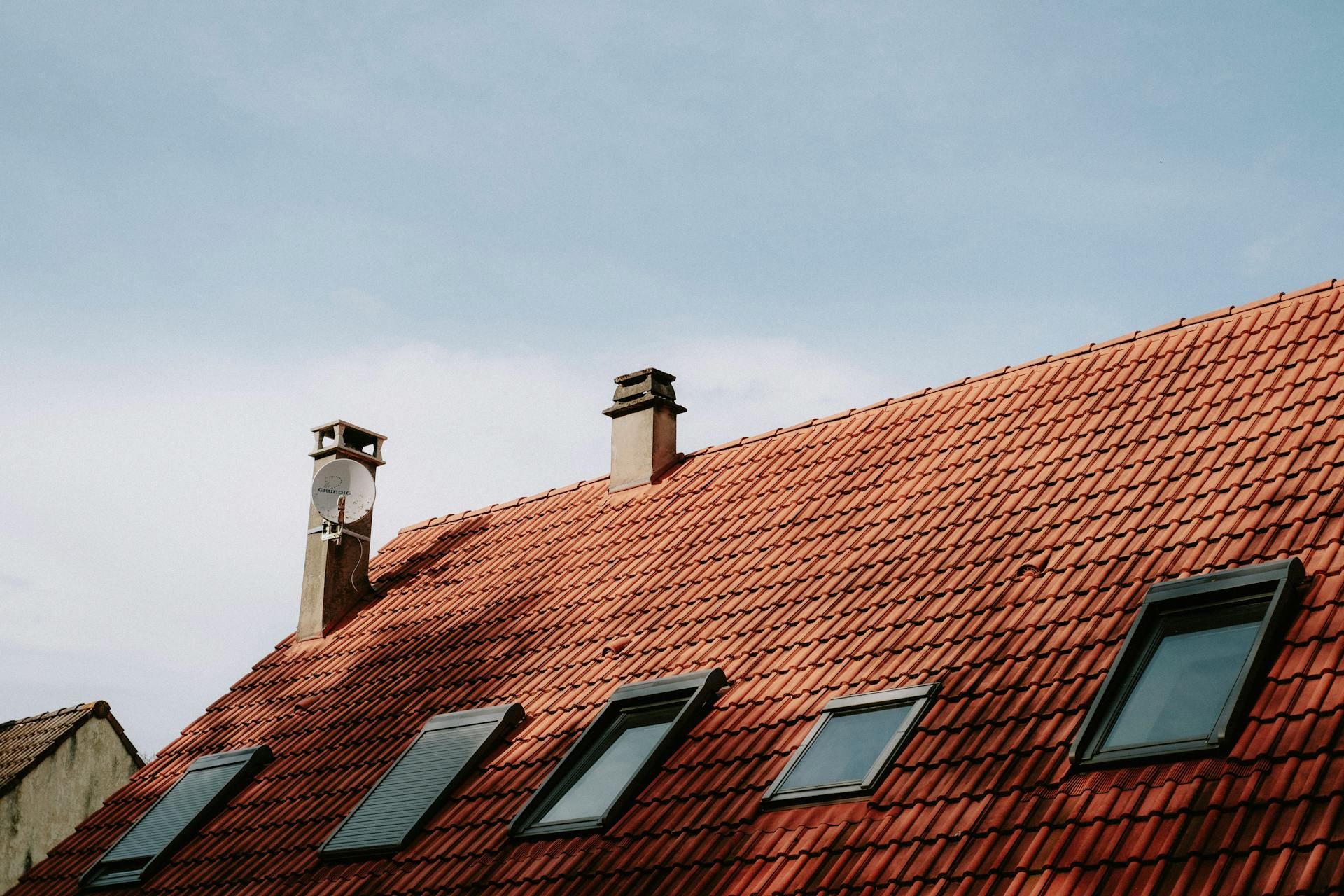
A practical guide to specifying, installing, and maintaining skylights in Alberta’s climate — written by a VELUX Certified installer.
Skylights are the single most underused element in Calgary residential architecture. They transform dark central spaces — stairwells, upper hallways, kitchens with limited exterior walls — into naturally lit rooms without the privacy issues of added windows. Done right, a skylight delivers natural light for 50+ years with minimal maintenance. Done wrong, it becomes the leak that every Calgary homeowner dreads.
This guide explains how to specify, install, and maintain skylights in Calgary’s climate — including why VELUX has become the default specification for serious installations and how to avoid the installation mistakes that account for most skylight failures. The material applies equally to new builds and retrofit installations in existing homes.
Why skylights make sense in Calgary
Calgary sits at 51° north latitude — high enough that winter daylight runs 8 hours in December but summer daylight runs 16+ hours in June. Maximizing daylight capture during the bright months reduces electric lighting costs and demonstrably improves occupant wellbeing in rooms where side windows alone don’t reach.
The climate also favours skylights in ways other regions don’t. Calgary’s low humidity means modern skylights rarely experience interior condensation. The prevalence of Chinook winds and rapid temperature swings stresses the perimeter flashing, but quality products handle this without issue. And the relatively dry climate means the wood framing around a properly installed skylight can last decades.
The catch is installation quality. Skylights are the single most common source of legitimate roof leaks in Calgary homes. The leak is almost always traceable to installation error — usually poor flashing integration — rather than product defect. Getting the installation right is more than half the decision.
Skylights also contribute meaningful solar gain in winter sun, partially offsetting their heat-loss penalty when sized appropriately. A south-facing skylight can deliver noticeable passive heating on bright winter days.
VELUX versus alternatives
VELUX dominates the serious skylight market in Canada for specific reasons. The company has manufactured skylights since 1941 and has refined the product to a level most competitors can’t match.
VELUX skylights use a one-piece deck-mounted flashing system that eliminates the most common leak path — the intersection between the flashing and the roofing material. The flashing kits are engineered for specific roofing materials (asphalt, metal, tile) and specific pitches, ensuring a watertight integration.
The glass technology matters in Calgary winters. VELUX uses laminated low-E glass with argon or krypton fills in their high-performance units, delivering U-values that cut winter heat loss dramatically compared to older single-pane or basic double-pane skylights. The energy penalty that used to accompany skylights is largely gone with modern units.
VELUX also offers opening (venting) units, fixed units, sun tunnels for small spaces, and motorized blinds. Competitors exist and some are competent, but VELUX’s combination of product quality, installer training, and long-term warranty backing makes it the default for contractors who don’t want to gamble on the install.
The installation details that prevent leaks
The leak-free skylight is installed by a contractor who respects three specific details.
First, the opening is framed square and to the exact dimensions specified by the manufacturer. A quarter-inch out of square creates stress points that telegraph into flashing failures years later. This work is done from inside the attic before the roof is opened.
Second, the VELUX factory flashing kit is used exactly as specified. The ice and water shield extends a specified distance beyond the skylight perimeter, the step flashing interlocks with each course of shingles, and the head flashing is integrated with the roofing material above the skylight. Contractors who ‘improvise’ flashing — using generic aluminum or tar patches — create the leak that will show up in 18 months.
Third, attic ventilation around the skylight is preserved. The framing shouldn’t block soffit-to-ridge airflow, and any insulation added around the skylight shaft should allow air to pass. Skylights installed with blocked ventilation pathways cause condensation problems that mimic leaks and lead to misdiagnoses.
Manufacturer-certified installers receive training on these details. A VELUX-certified contractor has demonstrably installed the product correctly before being authorized, and the certification itself is grounds for the homeowner to extend trust beyond what an uncertified contractor would warrant.
Common failure modes and how to prevent them
Three patterns account for the overwhelming majority of skylight problems in Calgary homes:
- Flashing failure at the head (top edge) of the skylight. This is the hardest area to install correctly and the most common leak point. Symptoms include water stains running from the skylight onto the ceiling below after heavy spring snowmelt.
- Condensation inside the sealed glass unit. Early-generation skylights lose seal integrity after 15 to 25 years; modern VELUX units are warranted for 10 years on the seal. When condensation appears between the panes, the unit is at end of life and needs replacement.
- Interior condensation on the skylight frame during winter. This is usually caused by elevated indoor humidity (humidifier, unventilated bathroom, kitchen moisture) combined with a high-performance skylight that doesn’t leak enough heat to keep the surface warm. The fix is humidity reduction, not a skylight replacement.
- Damage from hail and wind-driven debris. Laminated glass on VELUX units handles most Calgary hail without failure, but extreme events can crack the exterior pane. Laminated construction keeps broken glass in place until replacement — a genuine safety advantage over older skylight designs.
None of these are expensive to address if caught early. Annual visual inspection of every skylight from inside the house takes two minutes per fixture and catches most emerging problems before they damage ceilings.
Maintenance and care of installed skylights
Properly installed skylights need very little maintenance, but the small things that do matter are easy to skip. An annual exterior inspection from a roofer (combined with the rest of the roof inspection schedule) catches issues before they become problems.
From outside, the inspector verifies that the head and side flashing remain firmly seated against the shingles, that no caulking has cracked or pulled away, and that no debris has accumulated against the upper edge of the skylight where it can dam water during snowmelt. Leaves and pine needles often collect at the head of skylights on roofs near trees and need clearing once or twice a year.
From inside the home, look for any new staining on the drywall around the skylight shaft, condensation on the inside surface of the glass during cold weather, or any sticky resistance when operating venting skylights. Each of these symptoms has a defined cause and a defined fix; catching them at year one prevents the year-five ceiling repair.
Replace the integrated battery in motorized VELUX units approximately every 5 to 10 years. Solar-powered remote units have a longer service interval but eventually need attention. The replacement is straightforward and inexpensive when scheduled; the failed motor in the middle of a rainstorm is neither.
New construction versus retrofit
Adding a skylight to an existing roof is moderately more expensive than specifying one in new construction — but only moderately. Expect to pay $2,000 to $4,500 installed for a standard fixed VELUX retrofit in an existing Calgary home, including interior finish work and all flashing.
Retrofit installations work best when scheduled during a roof replacement in Calgary, Alberta. The roof is already open, access is easier, and the flashing can be integrated cleanly with the new roofing material. The roof is already open, access is easier, and the flashing can be integrated cleanly with the new roofing material. Adding a skylight to a 10-year-old existing roof is possible but more expensive, since it requires shingle removal and matching that rarely succeeds perfectly.
If skylights are in your future plans, raise them during the roofing consultation. Coordinating the timing captures significant savings and results in a cleaner installation. Most Calgary homeowners who wish they had skylights discover the wish after they’ve already replaced the roof — at which point the economics are much worse.
The skylight worth installing
Skylights are a disproportionately high-impact upgrade for the right Calgary home — and a disproportionate headache when installed by a contractor without specific product training.
The decision framework is straightforward. Choose a quality product (VELUX is the benchmark), hire a contractor with documented installation training on that specific product, and coordinate the install with any planned roofing work to capture both cost and quality benefits. Ask to see the certification document, not just the claim on a website.
For Calgary homeowners considering skylights, a consultation with a VELUX-certified Calgary contractor takes about an hour and typically includes product selection, structural assessment, and a fixed-price quote with warranty terms in writing.
About the author — this article was contributed by Angel’s Roofing, a 25-year Calgary roofing contractor and VELUX Certified Installer specializing in residential roof installation in Calgary. The company’s in-house team installs skylights as part of new roof projects and as standalone retrofits across Calgary and southern Alberta.